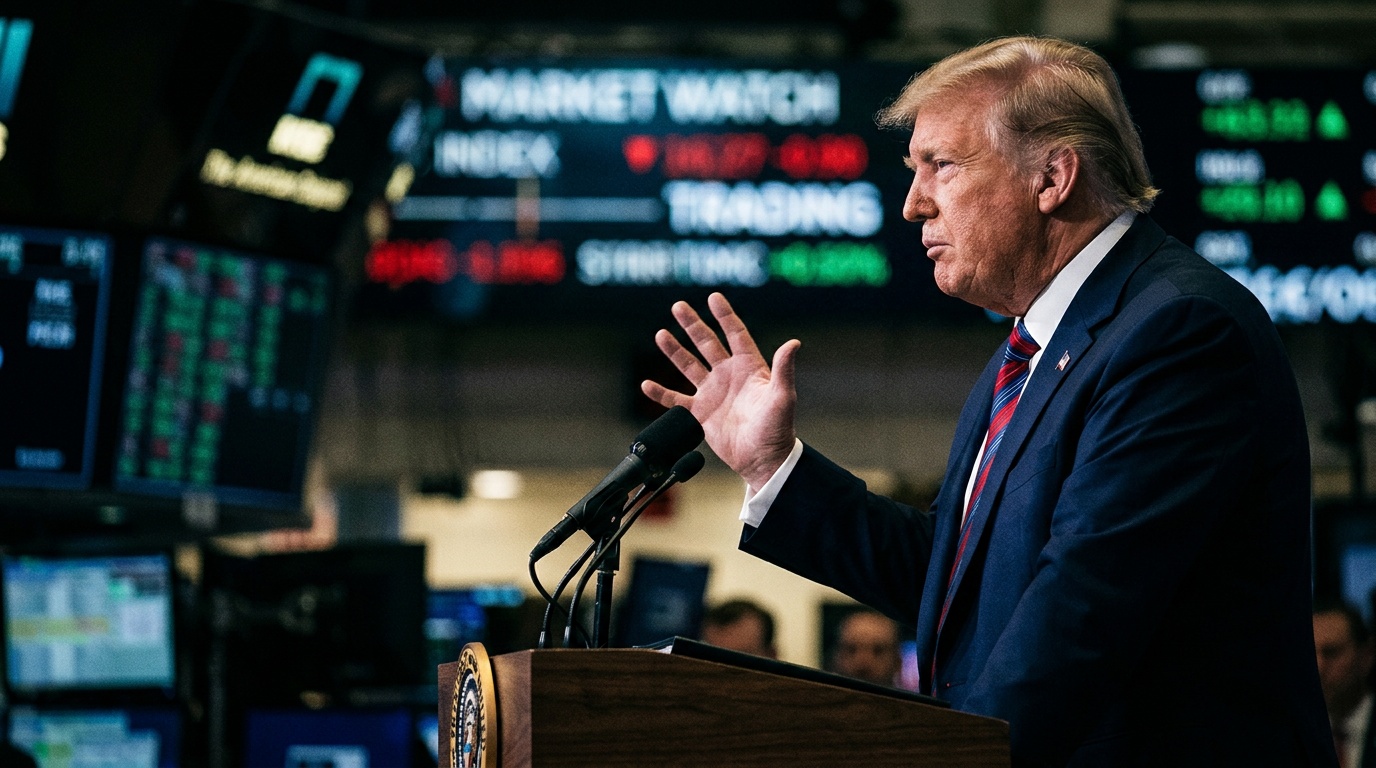
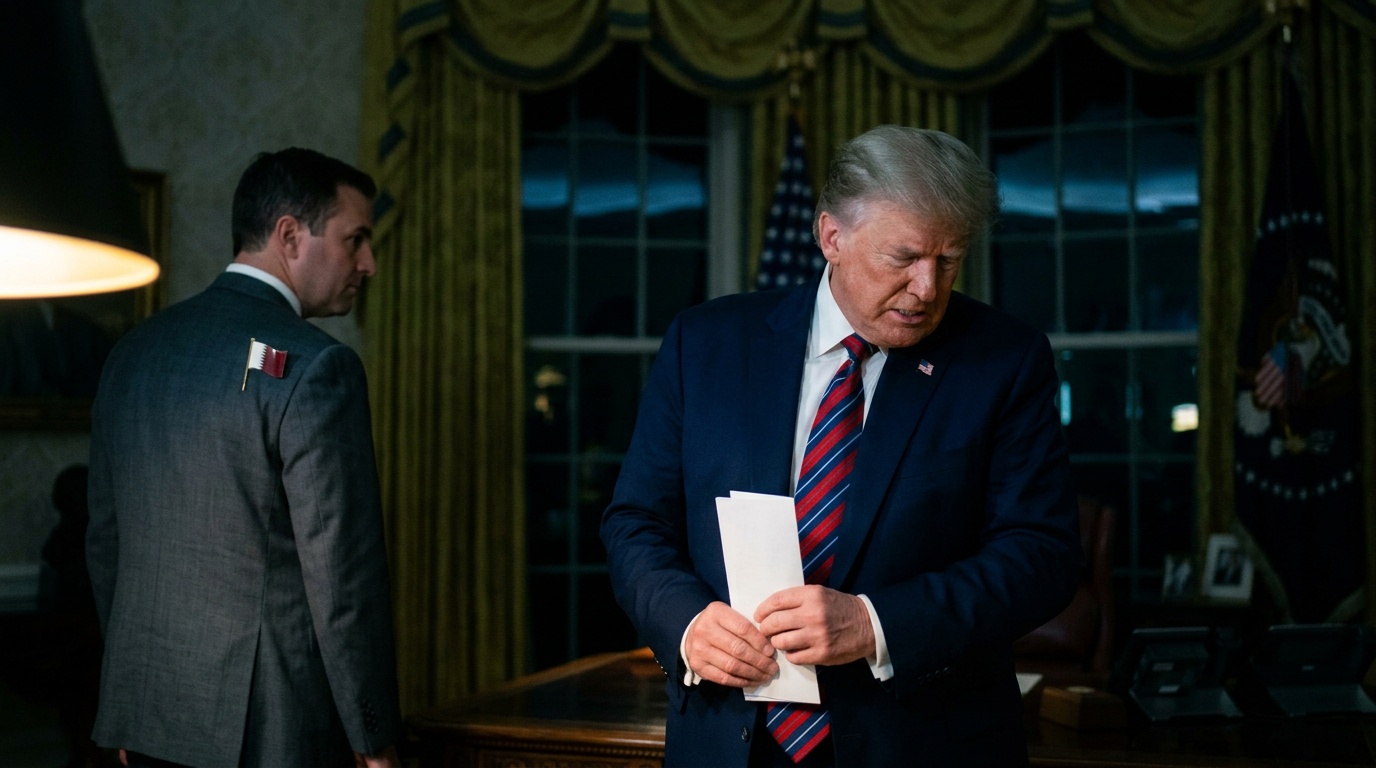
Former House Speaker Nancy Pelosi (D-Calif.) took a swing at President Donald Trump's decision to abandon the Obama-era Iran nuclear agreement, arguing it escalated Middle East tensions, drove up fuel prices, and stuck U.S. taxpayers with a hefty bill.
On Wednesday, in a post on X alongside a clip from MSNBC, Pelosi wrote that former President Barack Obama "masterfully negotiated an agreement that prevented Iran from acquiring a nuclear weapon." She added, "Trump tore it up and went to war—only to lose the lives of 13 brave Americans, raise prices at the pump, and sign a failure of a 'deal' that costs taxpayers billions."
In the clip, Pelosi argued the U.S. had abandoned a strong agreement: "We tore up a good agreement. We went to war. We lost American lives, sadly." She also criticized later policy approaches toward Iran, calling them a "ridiculous giveaway" that failed to address ballistic missile concerns while increasing economic burdens.
Meanwhile, President Trump warned the U.S. would resume strikes on Iran if Tehran violated an interim agreement, saying he hoped the deal would bring peace to the Middle East and lower oil prices. Speaking at the G7 summit, he said the U.S. would "bomb the hell out of them" if Iran broke the deal and stressed that Tehran must honor its commitments.
The U.S.-Iran framework agreement includes a $300 billion private investment fund aimed at boosting investment in Iran, with more than half reportedly already committed. The fund is described as privately financed and dependent on a final deal being signed.
Former Secretary of State Mike Pompeo warned that sanctions relief or frozen assets could strengthen Iran's military and proxy networks, writing, "When your enemy is at its weakest – win." Sen. Chris Murphy (D-Conn.) also criticized the reported deal, saying it amounted to a financial transaction that would benefit Iran in exchange for strategic concessions.
So, the debate rages on: Was the original deal a masterstroke or a giveaway? And is the new one any better? The answers depend on who you ask—and where they stand on the political spectrum.