The U.S. military has reportedly been running a covert ship-to-ship oil transfer operation in the Gulf, borrowing a page from Iran's playbook for evading sanctions. Since early May, the operation has moved massive amounts of oil through the Strait of Hormuz, all while keeping a low profile.
According to a Reuters report on Tuesday, the operation involves at least 92 vessels and takes place off the coast of Fujairah in the United Arab Emirates and off Oman's port of Sohar. To maintain secrecy, the military uses aerial and water drones, as well as helicopters, to guide convoys to waiting tankers. Tankers follow tightly coordinated routes and spacing, with transponders off and lights dimmed, before passing through the Strait under surveillance. They transfer oil to larger VLCC vessels in operations lasting 24 to 40 hours, then return through the strait, enabling oil movement despite an Iranian blockade and a shortage of willing shippers.
Reuters analyzed satellite imagery and shipping data from May 2 to June 11, showing repeated ship-to-ship transfers involving Gulf tanker fleets and international vessels. Based on vessel capacity estimates, at least 90 million barrels of crude and petroleum products may have moved through this offshore network since early May. That's still far below the pre-war Strait of Hormuz volume of about 20 million barrels per day, but it's a significant flow given the circumstances.
The U.S. Central Command (CENTCOM) did not immediately respond to requests for comment.
Trump Details Secret Hormuz Mission
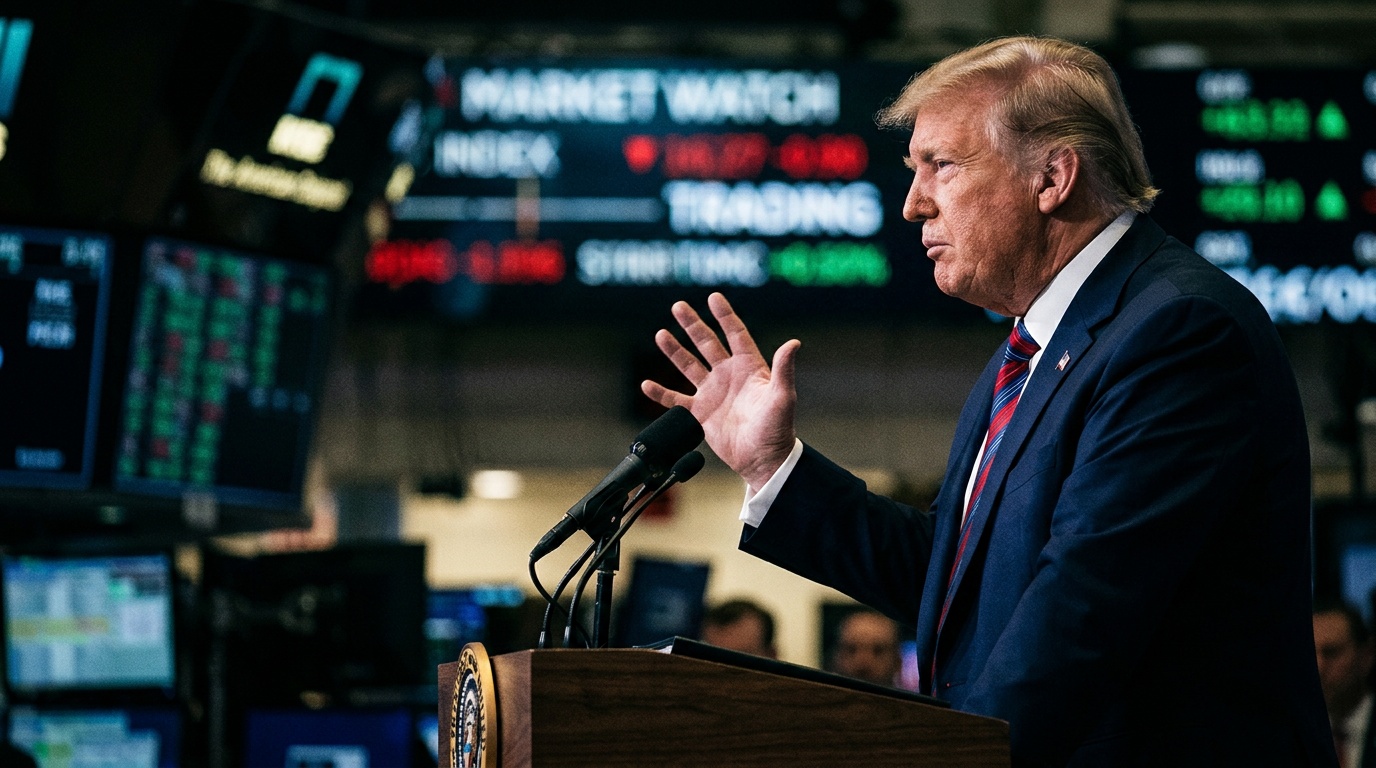
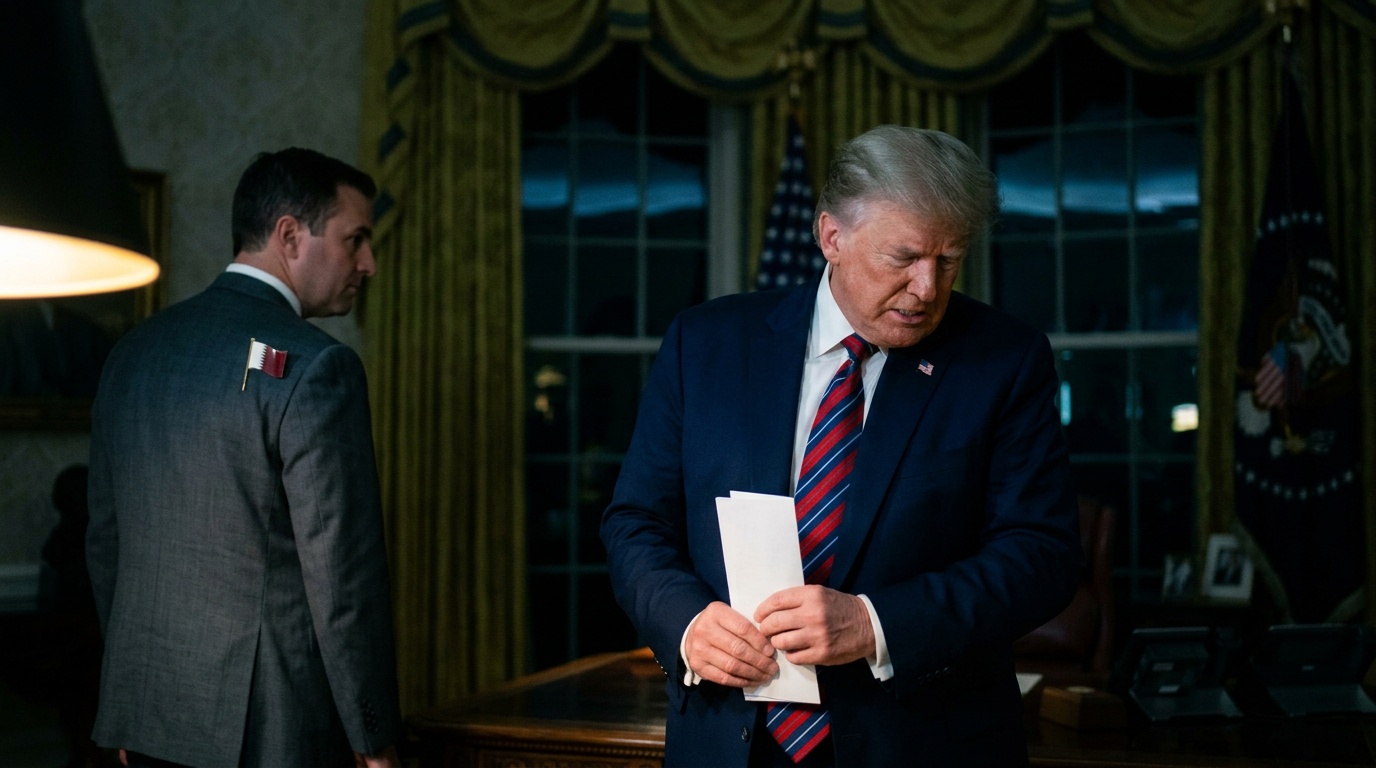
Last week, President Trump revealed what he called a "secret mission" carried out under his direction to ensure safe navigation through the Strait of Hormuz. He said the operation enabled the passage of "over 100 million barrels of oil" and more than "200 commercial ships" through the region over the past month. "The United States of America controls the Strait of Hormuz," Trump declared, adding that Iran's military is "defeated" and that it was "over for Iran."
It's worth noting that Iran has long used ship-to-ship transfers to evade sanctions by hiding the origin of its oil, typically operating in small pairs of vessels to avoid detection. The U.S.-led operation, by contrast, involves larger-scale transfers aimed at protecting Gulf producers while moving crude and petroleum products to global buyers.
Strait of Hormuz Reopening Plan
This covert operation comes as the U.S. and Iran near a preliminary agreement to end months of conflict. After arriving in France for the G7 summit on Monday, Trump said "the deal's all signed" and that Vice President JD Vance would attend a formal signing ceremony in Geneva later this week.
Trump said on Sunday that the strategic Strait of Hormuz would reopen for mine-clearing operations following the deal signing on Friday, enabling the resumption of oil shipments. Under a 60-day ceasefire extension, Iran has agreed to clear mines from the waterway and waive transit fees for vessels passing through. In return, the U.S. will lift the naval blockade on Iranian ports imposed in April.
Oil prices reacted to the news: WTI crude fell 1.99% to $79.14 per barrel, while Brent crude was trading 1.38% lower at $78.47 per barrel as of 5:54 a.m. EDT.
But not everyone is on the same page. Iran's semi-official Fars news agency reported on Monday that a revised version of the agreement includes language stating that Iran and Oman would retain the right to decide the "future administration of maritime services in the Strait of Hormuz." The Trump administration, however, has called for the unconditional opening of the Hormuz and has long opposed any tolling system in place.
Image via Shutterstock