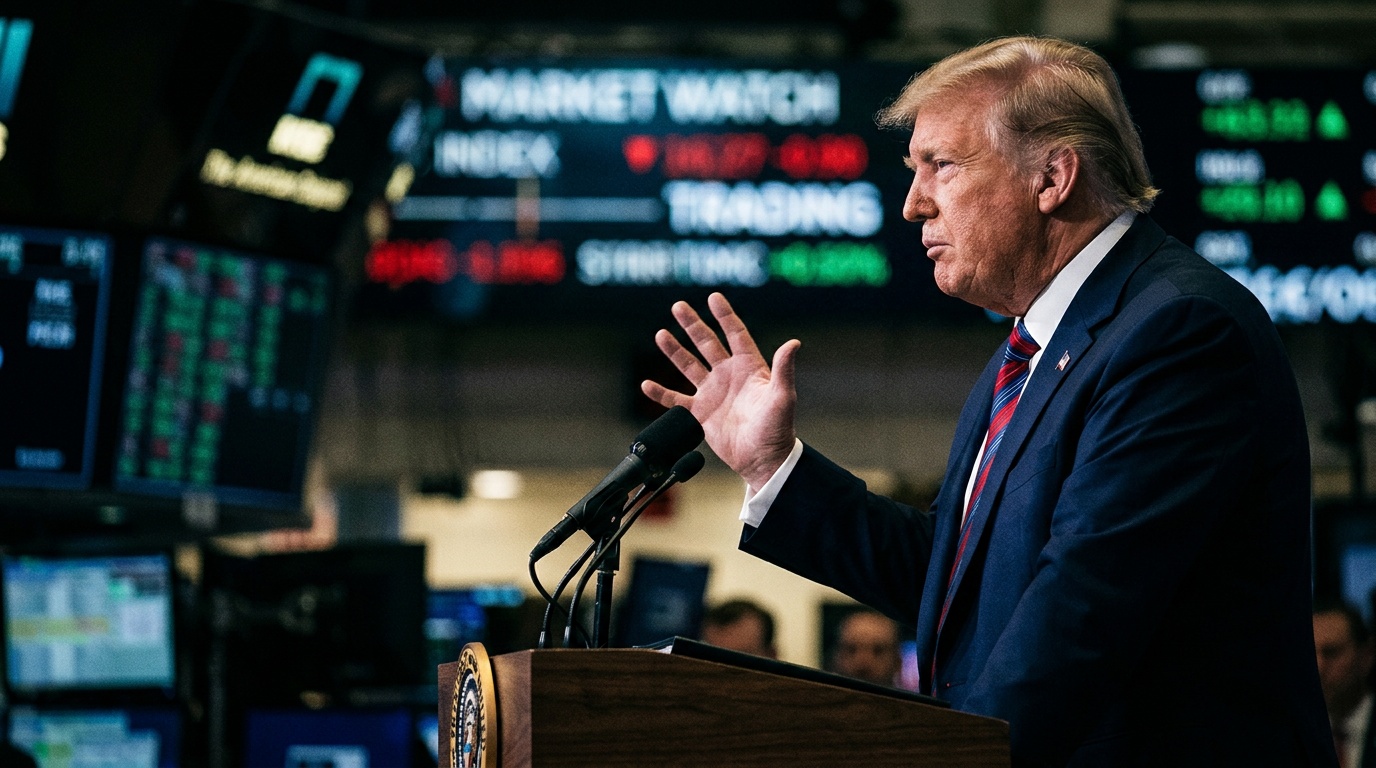
Fox Business host Larry Kudlow argued Wednesday that President Donald Trump's previously undisclosed effort to keep oil flowing through the Strait of Hormuz may have helped prevent a much larger energy shock, eased inflation pressures and reduced the need for more aggressive Federal Reserve action.
Speaking on the Fox Business show "Kudlow," the former White House economic adviser pointed to Trump's revelation that the U.S. military had helped more than 200 commercial ships carrying over 100 million barrels of oil safely transit the strategic waterway over the past month.
Kudlow said the operation, which involved coordinating and communicating with ships rather than directly escorting them, effectively added significant oil supply to global markets at a time of heightened tensions with Iran.
Hormuz Oil Flow
"If the numbers are more or less correct," Kudlow said, the movement of 100 million barrels over roughly 30 days would amount to an additional 3 million barrels of oil per day entering world markets. He estimated that would represent roughly 3% of global oil supply and argued it "has surely helped to stop oil from going to $150 or $200 a barrel."
Trump disclosed the operation earlier Wednesday, saying the United States had quietly helped commercial vessels move through the Strait of Hormuz, one of the world's most important oil shipping routes. The president said more than 200 ships carrying over 100 million barrels had transited the area during the past month.
The comments came as inflation concerns remain elevated and fuel prices continue to draw political scrutiny. Recent Consumer Price Index data showed headline inflation accelerated to 4.2% in May, the highest level since April 2023, with energy accounting for more than 60% of the monthly increase.
Growth Outlook
Kudlow argued the latest inflation report was largely an energy story rather than evidence of broader price pressures. He noted that core inflation, which excludes food and energy, stood at 2.9%.
"Goods prices, by the way, at least excluding food and energy, are basically flat," Kudlow said. He also rejected concerns that economic growth itself was fueling inflation, describing the current environment as a "supply side revolution" driven by low taxes, deregulation, energy production and artificial intelligence investment.