Copper has been one of the best-performing commodities this year, rallying about 10% and sparking a fierce debate on Wall Street. The Global X Copper Miners ETF (COPX) is up 28.20% year-to-date, reflecting the metal's hot streak. But beneath the surface, there's a tug-of-war between bulls who see supply shortages driving prices to record highs and bears who worry about macroeconomic headwinds.
On one side are the bulls—Goldman Sachs, Citigroup, and HSBC—arguing that supply shortages and structural demand growth could send prices into uncharted territory. On the other hand, JPMorgan warns that investors may be overlooking macroeconomic risks that could pull copper sharply lower.
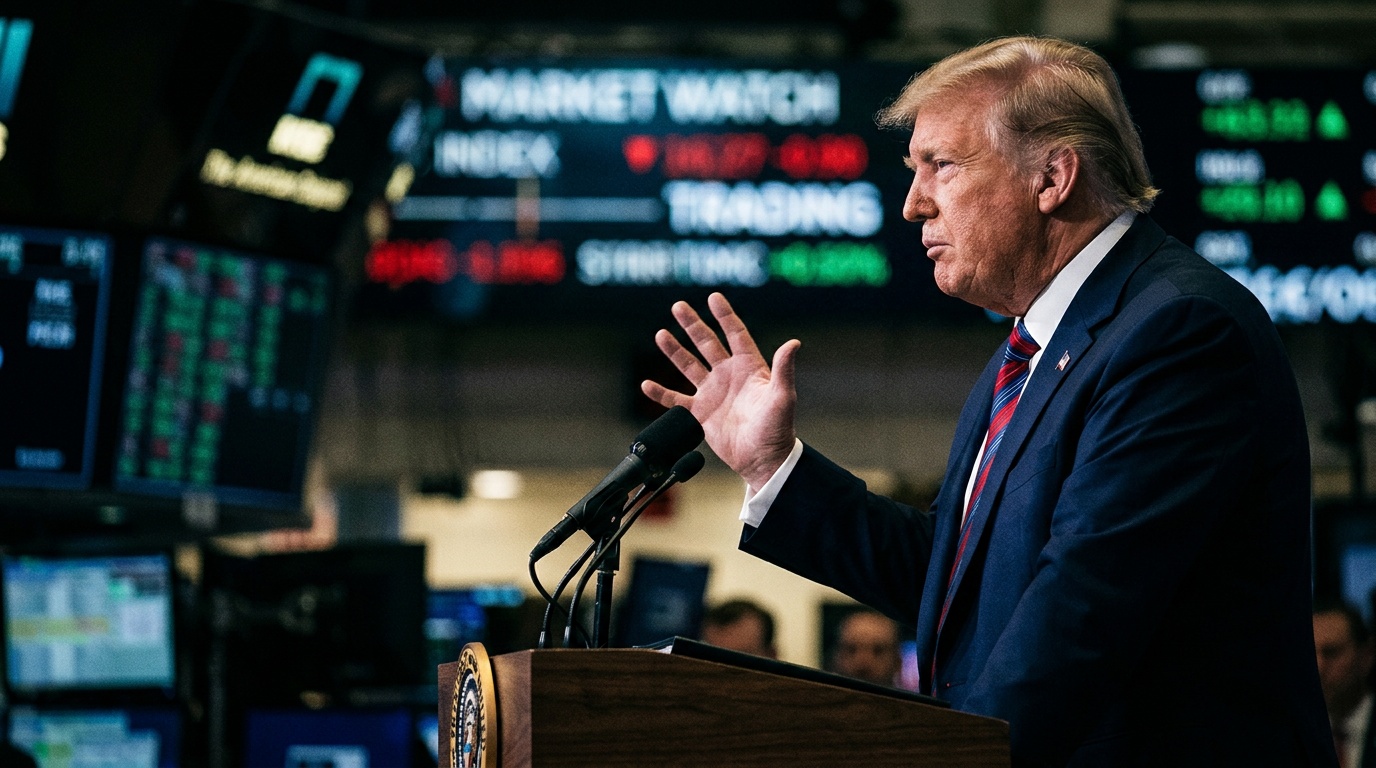
And then there's the White House. President Trump just revised the Section 232 tariff regime for copper, adding another layer of complexity to an already heated market.
Supply Shocks and Tariff Fears
If the bullish camp is right, copper's rally may be far from over. Citigroup is leading the charge, projecting prices will reach $14,500 per ton in June 2026 and $15,000 within the next year. Goldman Sachs lifted its year-end forecast to $13,735 per ton, while HSBC has been vocal about geopolitical disruptions and constrained trade flows.
The core bullish argument is simple: there isn't enough copper. Goldman estimates global mine supply will be reduced by roughly 350,000 tons due to disruptions at some of the world's most important operations. Grasberg, one of the largest copper mines, continues to struggle after last year's mudslide. Meanwhile, operational setbacks plague the Kamoa-Kakula complex in the Democratic Republic of Congo. Neither will reach full capacity until at least 2028.
At the same time, demand remains supported by long-term structural trends. The rapid buildout of AI infrastructure, data centers, electric vehicles, and power-grid upgrades continues to increase copper consumption globally. Recent multibillion-dollar AI investment commitments from major tech companies underscore the scale of future metal demand—many of these projects require significant copper-intensive electrical infrastructure and are hard to delay once construction begins.
The supply picture tightens even more from a trade perspective. U.S. inventories have swollen, starving the global market. According to Goldman, the copper deficit in the rest of the world could reach as high as 640,000 tons—more than 10 times previous expectations.
White House Tariff Revisions Meet Macro Reality Check
The bullish narrative, however, faces a formidable challenger in the broader economy. On June 1, President Trump signed a proclamation amending Section 232 tariffs, with changes taking effect on June 8. The proclamation lowered the threshold for imported products to qualify as domestically sourced: instead of requiring 95% domestic metal by weight, the bar has been lowered to 85%. The decision should incentivize the use of American commodities in downstream derivative products.
But JPMorgan's outlook notes that policy shifts may matter less than investors think if macroeconomic conditions deteriorate. The bank argues that copper prices around $13,000 per ton don't fully reflect risks posed by slowing growth and elevated energy costs. Gregory Shearer, Head of Base and Precious Metals Strategy, wrote: "If Brent oil prices were to hover around ~$110 per barrel for the remainder of this year, our copper demand growth estimates for 2026 could be stripped by 1.4 percentage points."
In that scenario, prices could retreat toward a support range of $11,100 to $11,200 per ton. Yet even JPMorgan acknowledges China as a dark horse safeguard. Chinese buyers account for roughly 60% of global copper demand and have repeatedly stepped in whenever prices weaken. Dip-buying activity suggests manufacturers and traders are eager to rebuild inventories at lower price levels, potentially creating a floor beneath the market.
So where does that leave investors? The copper market is caught between a supply-driven bull case and a macro-driven bear case, with tariff policy adding a wild card. Whether prices surge to new highs or retreat to support levels may depend on how these forces play out in the coming months.