Economist Peter Schiff has a warning for anyone blaming tariffs or the Iran conflict for inflation under President Donald Trump: you're looking in the wrong place.
On Sunday, Schiff took to X to argue that the real inflation threat comes from something far more fundamental—soaring government deficits and the Federal Reserve's attempts to keep long-term interest rates from climbing too high.
"The primary driver will be the surge in deficit spending and the Fed's efforts to limit the rise in long-term interest rates," Schiff wrote.
This isn't the first time Schiff has criticized Trump's economic approach. He previously questioned why the president is willing to impose short-term financial pain on Americans for war but won't make similar sacrifices to cut government spending or reduce the federal deficit.
The numbers paint a stark picture. The U.S. is currently juggling billions in war spending alongside a $2 trillion deficit. Meanwhile, headline inflation sits at 3.8% year-over-year—the highest since 2023.
Senator Rand Paul (R-Ky.) has weighed in, arguing that America's biggest threat isn't foreign adversaries but its own mounting debt and weakening dollar. He's called out the rising costs of entitlement programs like Medicare and Social Security, warning that excessive debt is eroding the nation's financial foundation.
The Treasury Department's primary dealers estimate the U.S. will need about $2.04 trillion in net borrowing in fiscal 2026, with borrowing expected to stay above $2 trillion annually through 2028. The Office of Management and Budget projects a $2.065 trillion deficit for 2026—higher than the Congressional Budget Office's $1.853 trillion estimate. All of this comes as the national debt approaches $39 trillion and borrowing costs remain elevated.
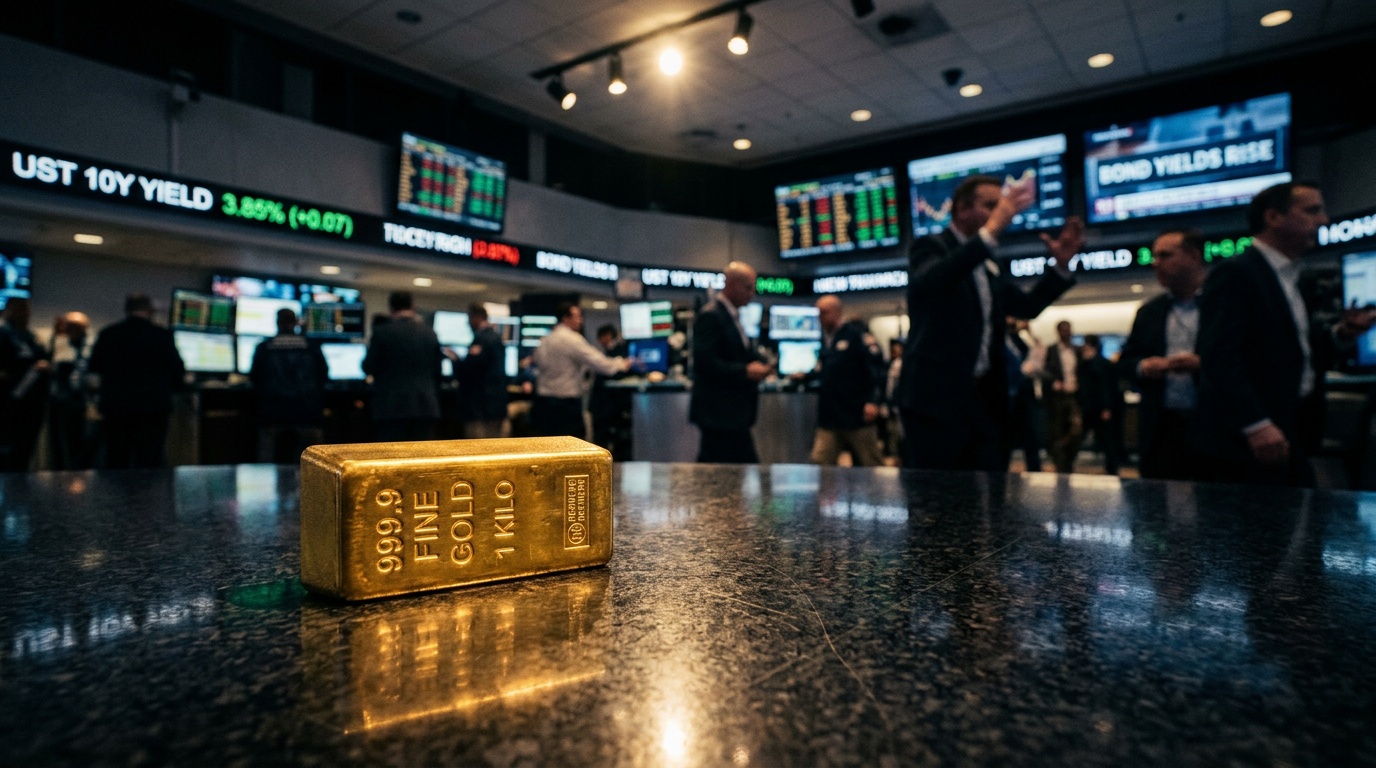
So while tariffs and military conflict grab headlines, Schiff's argument is that the real inflation story is playing out in the bond market and the federal budget. And if he's right, the next few years could be a lot more painful than most people expect.