Investor Ross Gerber of Gerber Kawasaki has a contrarian take on the war in Iran: it's a golden opportunity for the world to finally kick its oil habit. In a series of posts on X Sunday, Gerber argued that the crisis could accelerate the shift to alternative energy, making the strategically vital Strait of Hormuz — through which about 20% of the world's oil passes — essentially irrelevant.
Gerber suggested that if the world could "cut oil consumption by 10%" and replace it with renewables, the Strait of Hormuz would become "meaningless." He followed up by calling the situation a "great opportunity" to end global oil dependence. "We live in a world where there are alternative solutions for energy that are cheaper and better than oil," he wrote, questioning why the world isn't "rapidly implementing solutions" to grow alternative energy.
Meanwhile, oil prices are spiking. West Texas Intermediate (WTI) crude jumped 2.79% to $89.80 per barrel at press time, while Brent crude rose 2.41% to $93.32 per barrel. The United States Oil Fund (USO), which tracks WTI crude, slipped 0.16% to $128.88 in after-hours trading Friday.
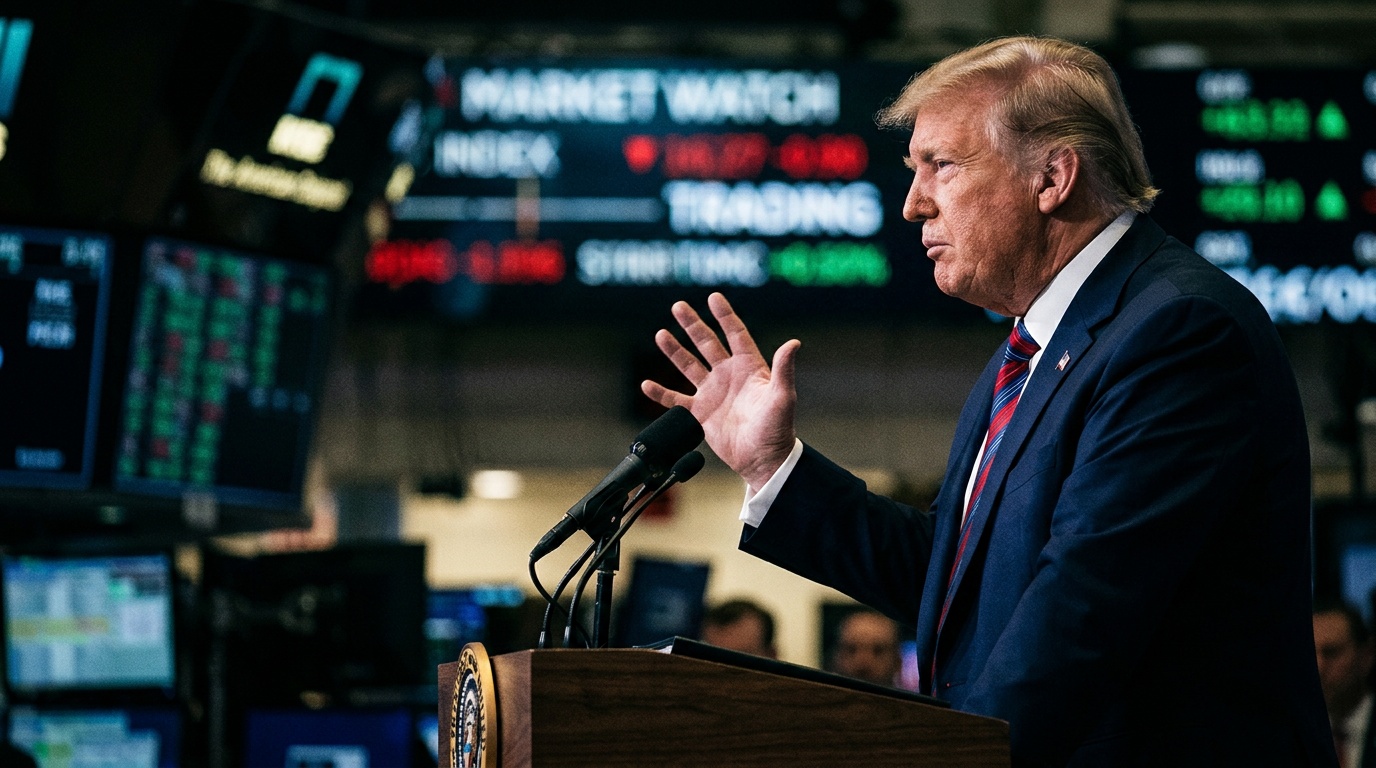
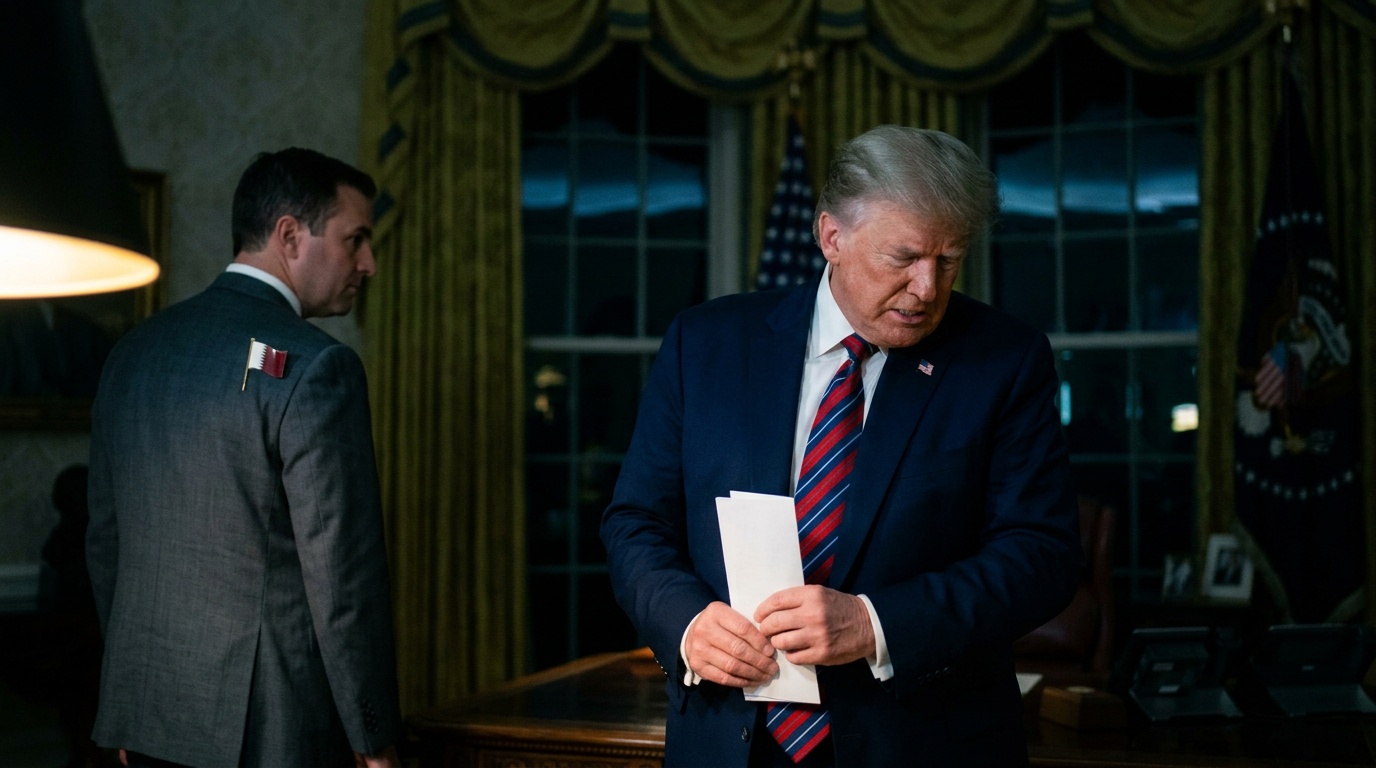
The political fallout is also heating up. Senator Elizabeth Warren (D-Mass.) slammed President Donald Trump over surging fuel costs, saying Americans are paying $800 million in excess costs at the pump every day due to the Iran war. Senator Catherine Cortez Masto (D-Nev.) highlighted the broader economic pain, noting that rising fuel costs are hitting industries from aviation to trucking as the President's "war of choice" drags on.
Trump, for his part, said in an interview that a deal with Iran is still far off and warned against rushing into any agreement. He also hinted at possible military action if diplomatic efforts fail.
Whether Gerber's optimistic vision of a green energy pivot comes to pass remains to be seen, but one thing is clear: the conflict is already reshaping energy markets and political debates.