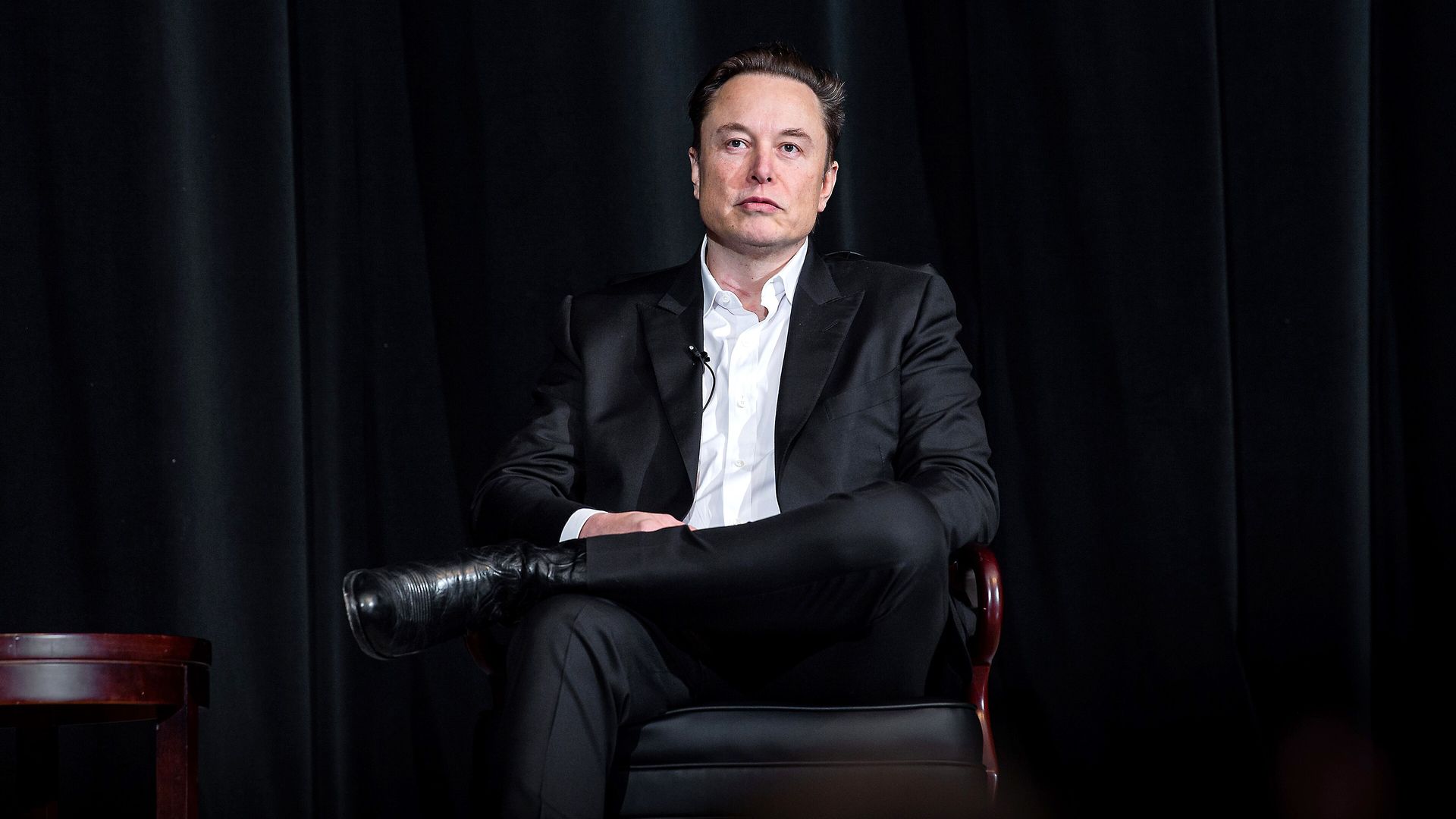
On Saturday, billionaire investor Mark Cuban called for tuition-free public medical education, arguing that heavy student debt is pushing doctors into large healthcare corporations and reshaping the U.S. medical system.
In a post on X, Cuban said medical school debt often exceeding hundreds of thousands of dollars can significantly influence career choices and reduce the number of doctors willing to enter primary care.
"If you want more doctors doing house calls, not selling their practices and going to work for the big HC conglomerates, make public med school free," Cuban wrote.
He argued that financial pressure from debt pushes physicians toward higher-paying corporate roles instead of family medicine or independent practice. Cuban also said large healthcare companies benefit from this dynamic by acquiring smaller practices and consolidating control over the industry.
"They can't afford to survive on their own and every huge HC company takes advantage of them," he wrote, referring to independent physicians.
Cuban estimated that about 32,000 medical and osteopathic students enter training annually. He suggested that providing each student a $75,000 annual grant would cost roughly $2.4 billion per class, calling it a relatively modest investment for the federal government.
He added that reducing debt would give doctors more freedom in how they practice medicine and how they structure patient care, including more flexible payment arrangements.
Earlier, Cuban criticized the U.S. healthcare system for a lack of pricing transparency, arguing that patients cannot realistically compare medical costs due to systemic breakdowns between insurers and providers. He said insurers profit from complexity through delayed payments, underpayments, and claim denials, and warned that Medicare Advantage practices and emerging technologies like AI could further distort pricing.
He also said rising costs and corporate consolidation were straining both patients and employers, while large healthcare companies benefit from inefficient reimbursement systems and weak competition.
Separately, a Commonwealth Fund report ranked the U.S. healthcare system last among 10 wealthy nations despite the highest spending. The study found the U.S. performed poorly in access, outcomes, efficiency, and equity, highlighting ongoing concerns about systemic inefficiency and value for money.
Disclaimer: This content was partially produced with the help of AI tools and was reviewed and published by MarketDash editors.