On Monday, a group of lawmakers led by Senator Bernie Sanders (I-Vt.) and Representatives Mark Takano (D-Calif.) and Alma Adams (D-N.C.) reintroduced the Restoring Overtime Pay Act. The bill aims to expand overtime protections for millions of American workers by gradually raising the salary threshold for overtime eligibility. According to the lawmakers, this could extend protections to as many as 29.3 million workers.
Right now, only about 8% of full-time salaried workers automatically qualify for overtime pay based on their salary level alone. That's a steep drop from 1975, when nearly 63% of such workers were covered. The proposal comes at a time when living costs remain high and many Americans are struggling financially.
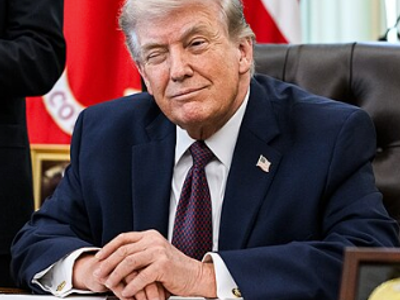
“At a time of massive income and wealth inequality, when over 60% of Americans are living paycheck to paycheck, it is beyond unacceptable that President Trump is denying overtime pay to millions of workers,” Sanders said.
The bill would increase overtime access by moving the salary threshold toward the 55th percentile of full-time salaried workers nationwide. Supporters argue that workers are putting in longer hours without fair compensation. Critics, however, warn that stricter overtime rules could increase labor costs for businesses.
The legislation arrives as broader debates around wages and worker protections continue gaining attention. Earlier this year, billionaire entrepreneur Mark Cuban criticized businesses that resist higher wages, arguing that taxpayers often indirectly subsidize underpaid workers through government assistance programs. “All of us pay for the fact that you're not paying that person enough,” Cuban previously said.
This overtime proposal is the latest labor-focused effort backed by Sanders. Last year, he also pushed for a 32-hour workweek without reducing worker pay, arguing that gains from artificial intelligence and automation should benefit workers through shorter hours and improved work-life balance.
The Restoring Overtime Pay Act has received backing from major labor groups, including the AFL-CIO, United Auto Workers, and Service Employees International Union. Still, the bill could face significant political hurdles in Congress, particularly in the Republican-controlled House.