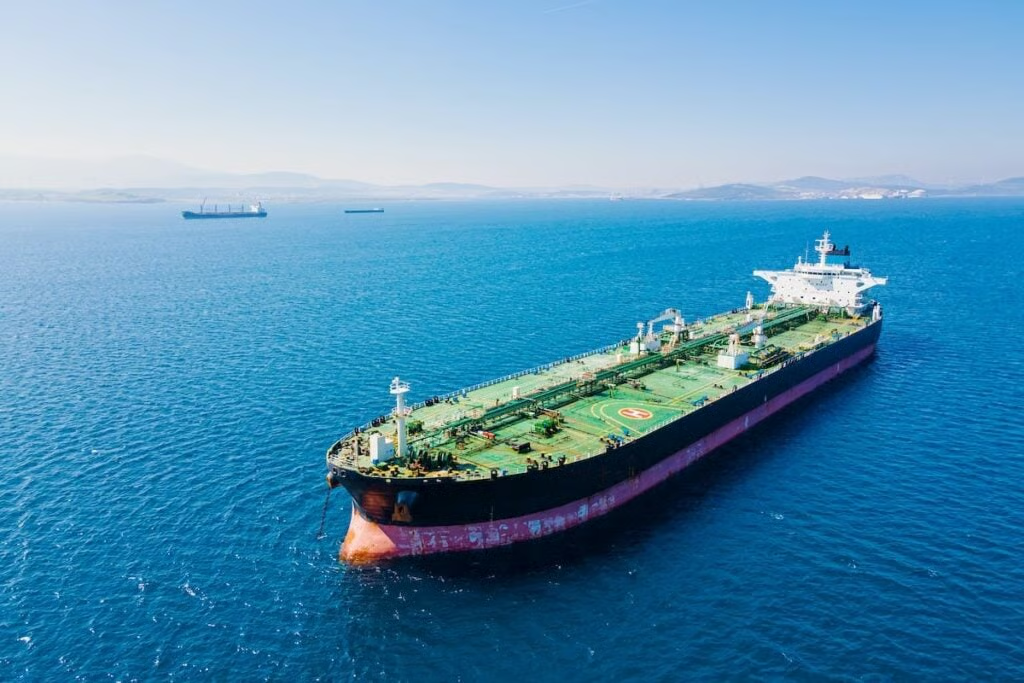
The world's oil stockpiles are draining faster than expected, and the head of the International Energy Agency wants everyone to know that those reserves aren't infinite.
Fatih Birol, the IEA's executive director, sounded the alarm at the Group of Seven finance leaders meeting in Paris on Monday. He revealed that strategic oil reserves have been supplementing the market with 2.5 million barrels per day since the crisis began. But he warned that these reserves "are not endless," according to Reuters.
Commercial inventories might last a few more weeks, Birol said, but they're being "depleted rapidly." And things are about to get worse: the northern hemisphere's spring planting and summer travel seasons are coming, which means more demand for diesel, fertilizer, jet fuel, and gasoline.
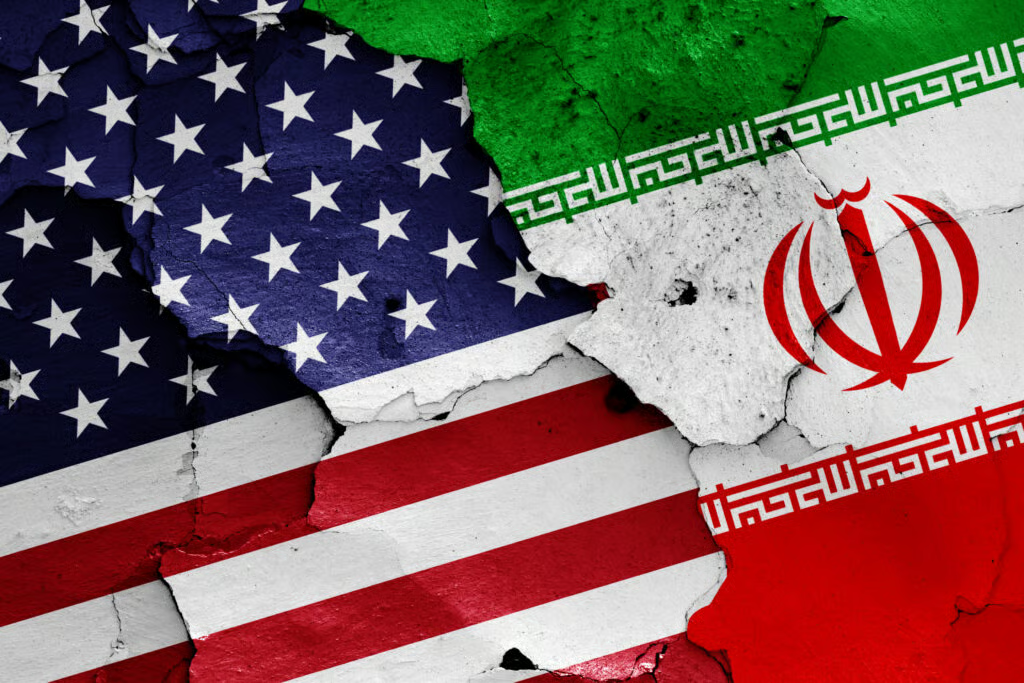
Birol also pointed out a "perception gap in the markets between the physical markets and the financial markets" for oil. Before the U.S.-Iran war kicked off in late February, oil markets and inventories were actually in surplus. The war changed everything.
The Oil Crisis Deepens
The conflict has disrupted Middle East oil production, pushing global supply below demand this year and reversing the IEA's earlier surplus forecast. In March, the IEA coordinated a record release of 400 million barrels from strategic reserves. As of May 8, about 164 million barrels had been released.
Back in April, Birol called this the "biggest energy security threat in history" because of the Hormuz crisis, which has knocked out 13 million barrels per day of oil supply.
Meanwhile, cryptocurrency traders are piling into bets on crude oil prices, fueled by escalating war rhetoric from President Donald Trump. Bettors currently see a 63% chance that West Texas Intermediate crude will top $110 per barrel this month.
As of this writing, WTI crude was trading 0.37% lower at $105.03 per barrel, while Brent crude was up 0.23% at $109.51 per barrel.
Iran Creates Hormuz Body Amid US Warning
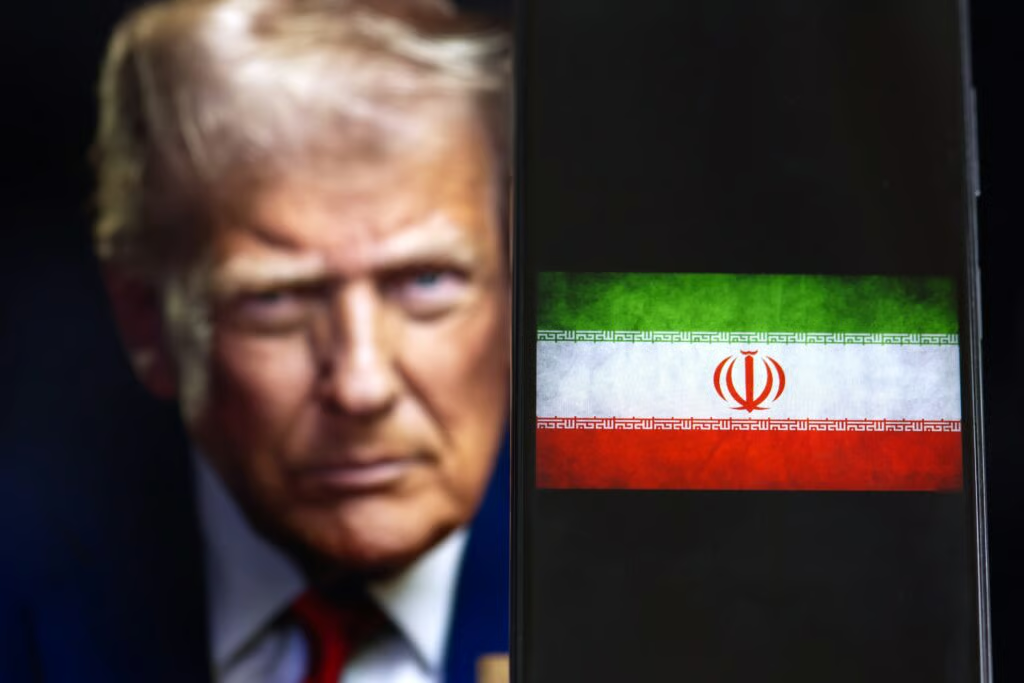
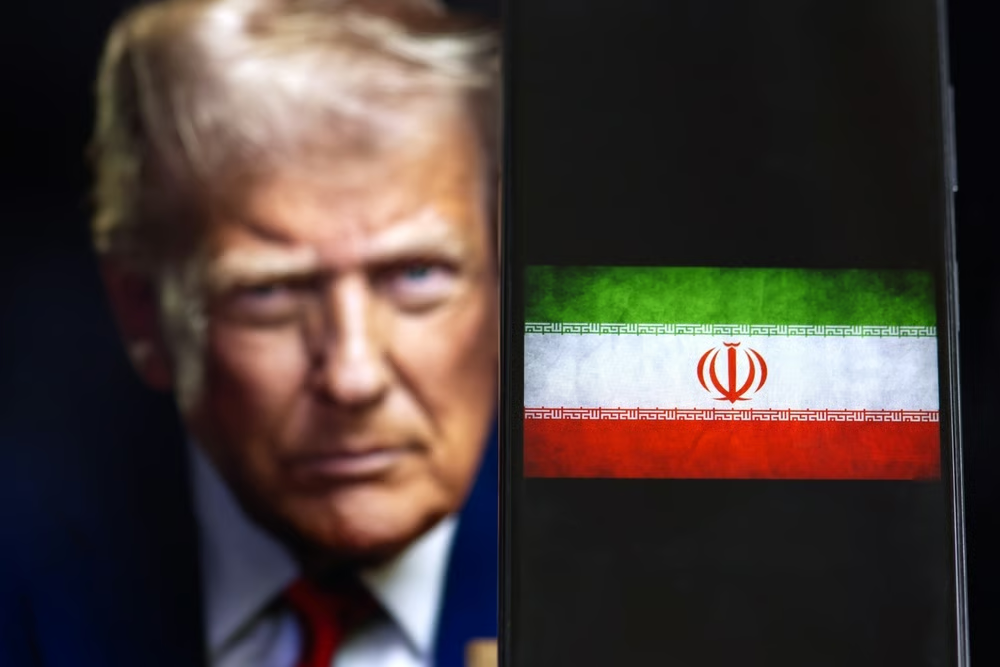
On Sunday, Trump warned Iran that time is running out to reach a peace agreement, saying the "clock is ticking" and urging Tehran to act quickly or face serious consequences. In a Truth Social post, Trump criticized Iran's response to the U.S. peace proposal as "totally unacceptable" because it sought to separate nuclear negotiations from broader peace talks.
Iran's Supreme National Security Council responded by announcing the creation of the Persian Gulf Strait Authority (PGSA), a new body to manage operations in the Strait of Hormuz. Iran has effectively closed the strait while seeking to charge ships for passage. In a post on X, the authority said it would provide real-time updates on Hormuz operations and developments. Iranian state-linked broadcaster Press TV previously described the initiative as a system to enforce Iran's sovereignty over the strategic waterway and issue regulations to passing vessels.