California Governor Gavin Newsom is doubling down on electric vehicles with a new $1 billion rebate program that could give a serious lift to Tesla's (TSLA) Semi truck.
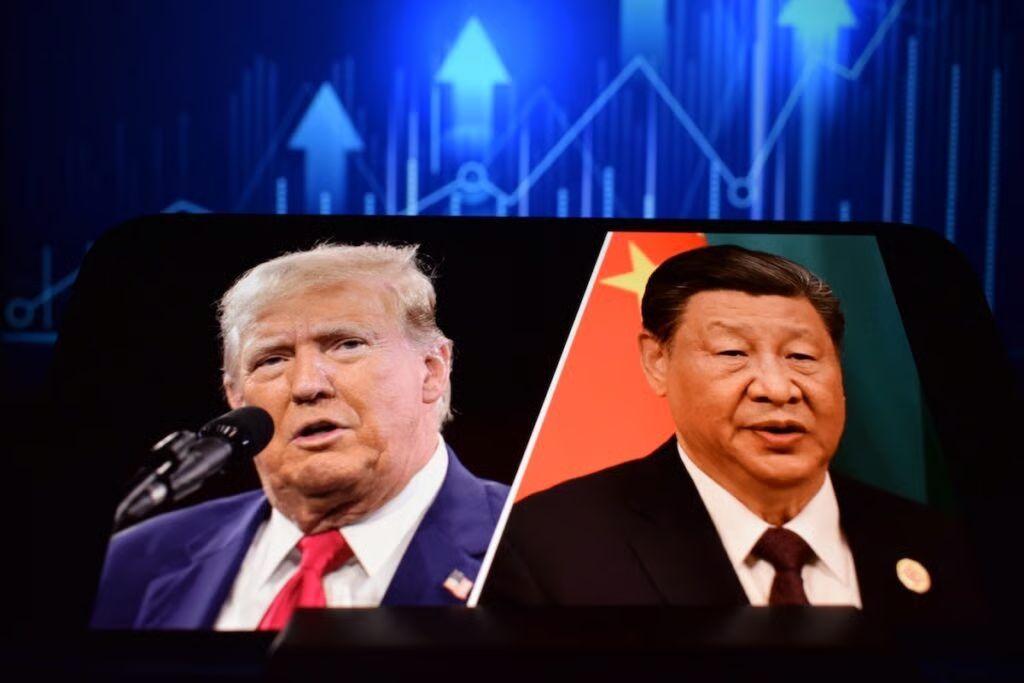
On Wednesday, Newsom took to X to announce the initiative, which kicks off June 26. Under the plan, “authorized retailers will have rebates of $7,500 to $120,000” for qualifying vehicles. The governor didn't mince words about the political backdrop: “While Trump forfeits American automotive leadership, we’re continuing to dominate in the space,” he said.
The rebates apply to public and private fleets of new electric medium- and heavy-duty commercial vehicles—think drayage trucks, electric semis, box trucks, and delivery vans. According to Newsom's office, the program will start with $250 million in funding this year, with over $1 billion total available through 2030. The money comes from California's Low Carbon Fuel Standard (LCFS) program.
For Tesla, this is a big deal. The Semi, priced at $290,000, costs almost half as much as its diesel-powered competitors. With rebates up to $120,000 per truck, the program could make the Semi an even more attractive option for fleet operators. It also aligns with Newsom's clean energy goals, which have been a hallmark of his administration.
This isn't Newsom's first EV rebate rodeo. He previously touted a $200 million program aimed at first-time EV buyers, with incentives on passenger vehicles up to $55,000 and SUVs, pickups, and vans up to $80,000. But the new fleet-focused program targets a different segment—commercial vehicles that are often the biggest polluters.
Newsom also used the announcement to take a swipe at President Donald Trump, arguing that the administration and the Republican Party have ceded America's role as the global EV leader to China, sacrificing “good-paying jobs” and manufacturing capabilities. It's a pointed critique as tensions in the Middle East and the ongoing Iran war keep gas prices high.
Meanwhile, the broader EV market is facing headwinds. Demand for EVs in the U.S. fell by over 28% in April 2026, with automakers selling just over 120,000 units. Rising fuel costs and geopolitical uncertainty are weighing on consumer sentiment, but California's program could help keep the EV momentum alive—at least for commercial fleets.