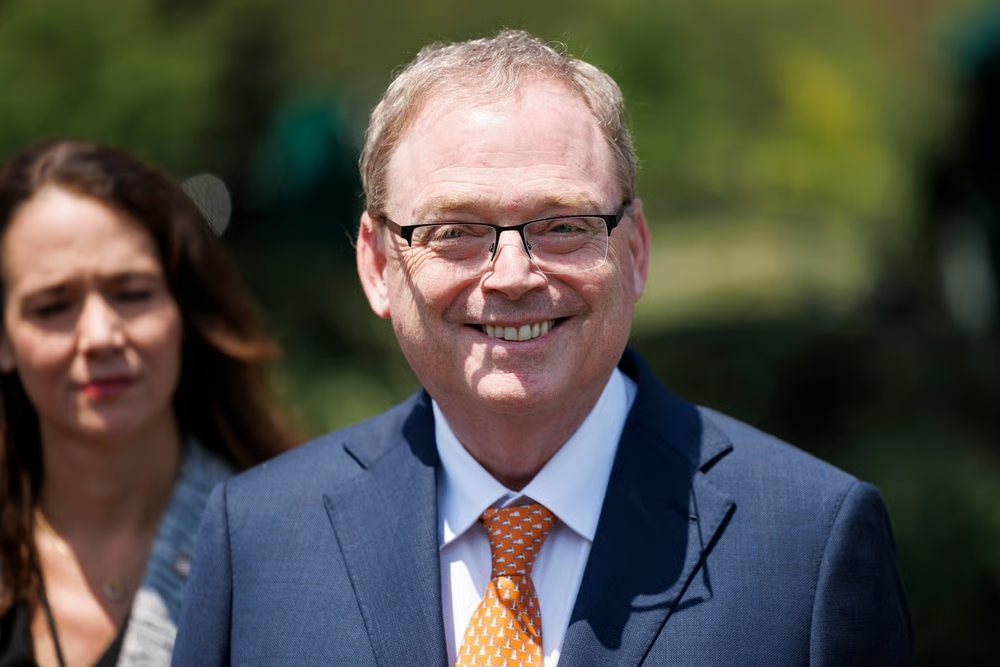
Kevin Hassett, the Director of the White House National Economic Council, waded into the fallout from Spirit Airlines' collapse this week, offering a measured take on how the Iran conflict and surging fuel costs could hit airline profits. His message: yes, it'll sting, but not for long.
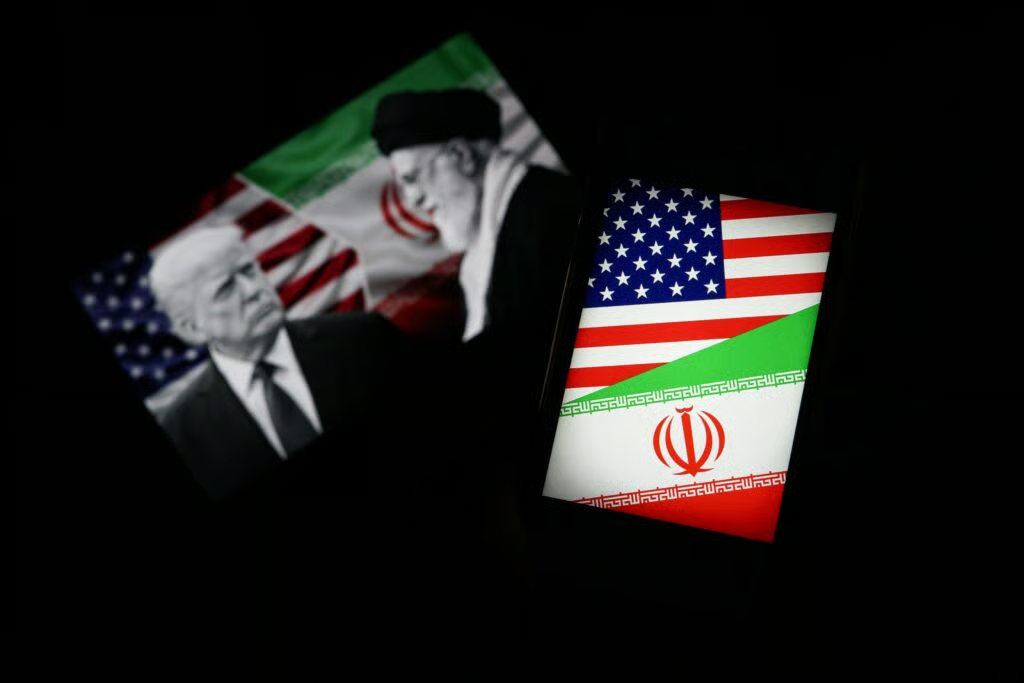
Hassett said the energy shocks from the Iran war could weigh on airline profits for about a quarter. But he stressed that other carriers are in good shape, thanks to their strategic hedging of jet fuel purchases. That hedging helps blunt the impact of short-term price spikes.
"Certainly, it'll affect profits for the airlines for a quarter or so, but they're very, very healthy right now," Hassett said.
As for Spirit, Hassett was blunt: the airline's business model simply wasn't viable, leading creditors to pull the plug and liquidate. He added that he and Transportation Secretary Sean Duffy have been working to ensure passengers stranded by Spirit's sudden shutdown can get home safely. They've been coordinating with American Airlines Group (AAL), United Airlines Holdings Inc. (UAL), and Southwest Airlines Co. (LUV) to offer those passengers lower fares for their return trips.
Spirit Collapse Sparks Bailout Debate
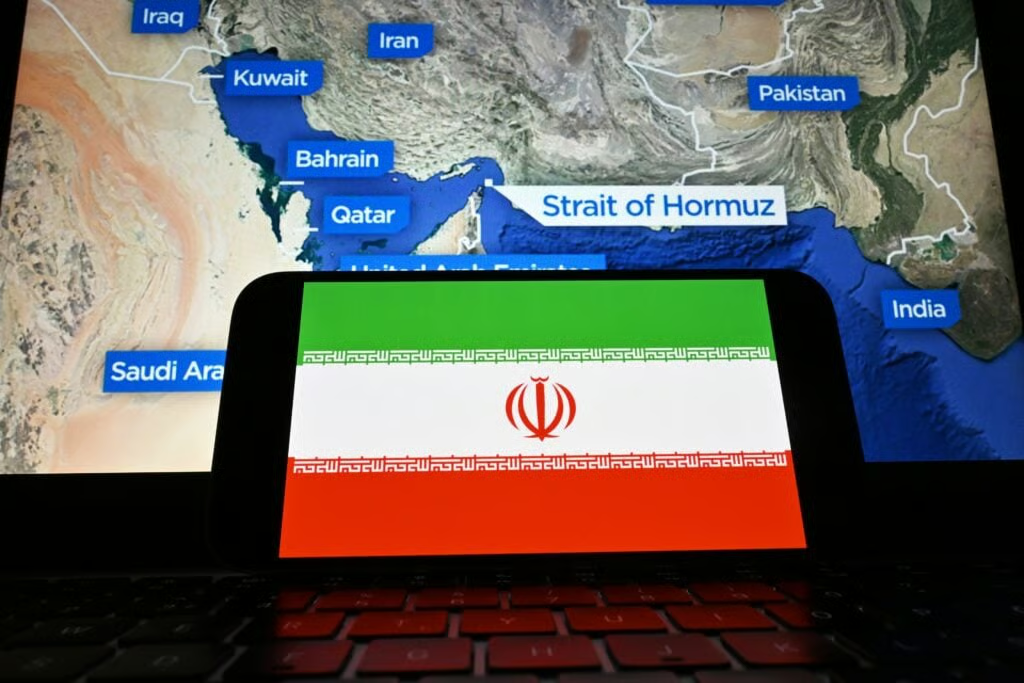
Spirit Airlines ceased operations on Saturday after its creditors rejected a U.S. government rescue plan. The company had pointed to increased jet fuel costs, caused by the closure of the Strait of Hormuz, as a significant factor in its decision to shut down.
President Donald Trump's idea of rescuing the beleaguered airline was met with skepticism from Duffy and other lawmakers, including Senator Elizabeth Warren (D-Mass.). Pushing back on Spirit CEO Dave Davis's remarks that the Iran war had impeded the airline's recovery plan, Duffy noted that Spirit was already in a precarious position before the conflict. The airline had filed for bankruptcy multiple times, and its business model wasn't working, Duffy said.
Transportation policy analyst Marc Scribner argued that shareholders and lenders, not taxpayers, should bear Spirit's risks. According to Scribner, supporting the "financial zombie" airline with a government loan — or worse, taking ownership — would be a "bad" investment.
Disclaimer: This content was partially produced with the help of AI tools and was reviewed and published by MarketDash editors.
Image via Shutterstock