Senator Chris Coons (D-Del.) has had enough of the back-and-forth. He's demanding the Commerce Department clear up a messy contradiction over whether Nvidia's advanced H200 AI chips are actually reaching China.
In a letter first reported by CNBC on Friday, Coons pressed Commerce Secretary Howard Lutnick over comments made during an April 22 Senate Appropriations subcommittee hearing. There, Lutnick stated flatly that the U.S. had not allowed Nvidia's H200 chips to be sold to Chinese firms.
"We have not sold them any chips as of yet," Lutnick told lawmakers.
That statement seems to directly contradict what Nvidia CEO Jensen Huang said back in March. Huang claimed the company had secured approvals from both U.S. and Chinese authorities to sell H200 chips into China.
"Your statements before the committee appear to contradict Huang's comments," Coons wrote in his Thursday letter.
Coons said he remains "deeply concerned" that allowing Chinese companies to buy H200 chips could threaten U.S. national security and economic competitiveness, given the processors' role in powering advanced AI systems. He's given Lutnick one week to provide detailed answers, including how many export licenses have been approved, how many chips have already been shipped, and whether additional licenses are under consideration.
Neither Nvidia nor the Commerce Department immediately responded to requests for comment.
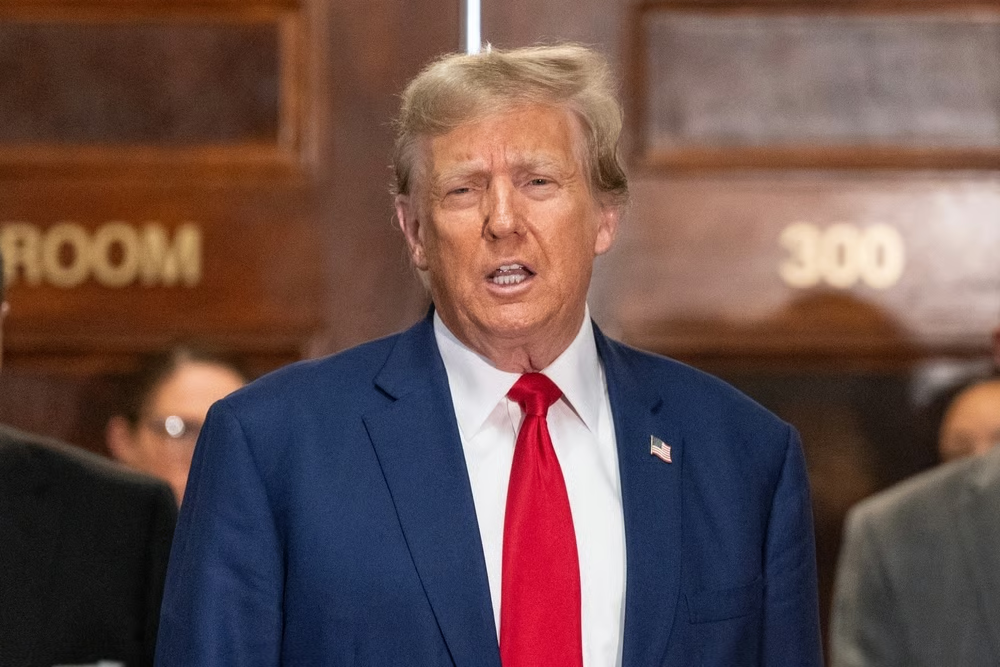
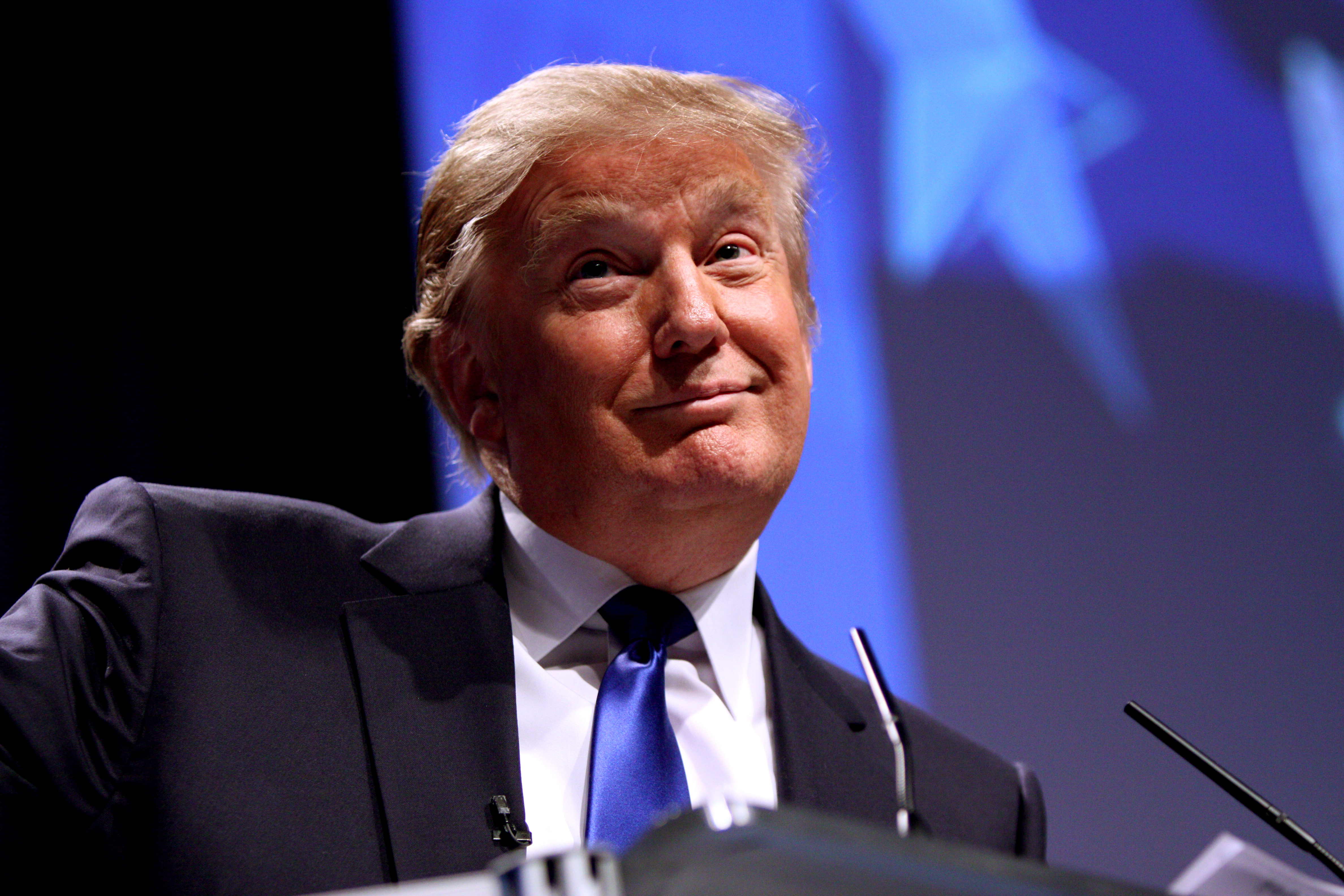
The timing is particularly awkward. The dispute comes ahead of President Donald Trump's expected trip to China for talks with President Xi Jinping, potentially elevating semiconductor exports as a major geopolitical issue. The Trump administration previously required Nvidia to obtain export licenses for advanced chips sold to China, a market that once accounted for more than 20% of the company's data center revenue.
Investors are watching closely. Nvidia shares closed Friday at $198.45, down 0.56%, and slipped another 0.17% in after-hours trading to $198.12. According to market data, Nvidia scores in the 97th percentile for Quality while sustaining a strong positive price trend across its short, medium and long-term price performance indicators.
For Nvidia, the China question is a persistent headache. The company has been navigating export controls for years, and any sign that the rules are being bent—or that the government is confused about its own policy—adds uncertainty to an already volatile situation. With Trump heading to Beijing, the semiconductor export debate is about to get a lot more diplomatic.