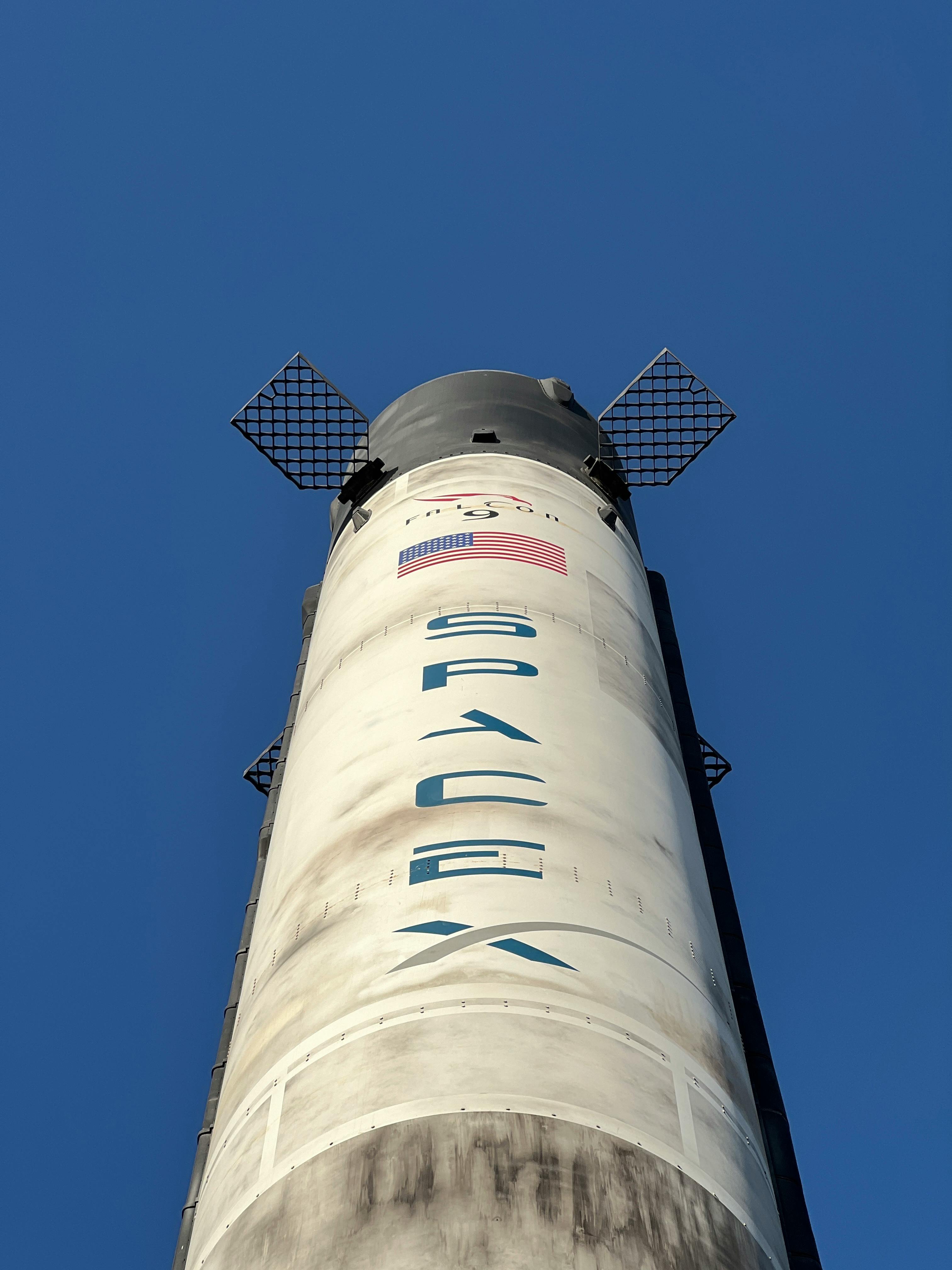
Here's something you don't see every day: a rocket company getting into the chip business. But then again, SpaceX has never been your typical aerospace firm. According to reports, the company has started installing equipment at its advanced chip packaging facility in Bastrop, Texas, and is aiming to flip the switch on production by the end of 2026.
This isn't about building chips from scratch—at least not yet. The $280 million Texas facility will focus on packaging radio frequency (RF) chips. If you're wondering why a space company cares about RF chips, the answer is orbiting above us: Starlink. These components are the lifeblood of SpaceX's satellite internet constellation. Right now, external suppliers handle this packaging work, but SpaceX wants to bring at least part of that process under its own roof.
It's the classic vertical integration play. Why buy it from someone else when you can make it yourself, especially when "it" is a critical piece of your core business? The project hasn't been without its bumps—the timeline has seen some delays, according to the report—but the company still has its sights set on getting production started before we ring in 2027.
This fits neatly into Elon Musk's broader semiconductor ambitions. Last month, the Tesla Inc. (TSLA) CEO unveiled plans for advanced chip factories in Austin, Texas. It seems the man who wants to colonize Mars also wants to control more of the silicon that powers his earthly (and space-bound) empires.
SpaceX isn't alone in this thinking. Its move mirrors a much larger trend rippling through the tech world as companies grapple with a global shortage of specialized hardware. Take Anthropic, for example. The AI company is reportedly evaluating in-house chip development as demand for its Claude AI model surges past a $30 billion annual run rate. Currently, Anthropic relies on hardware from Alphabet Inc. (GOOGL) and Amazon.com Inc. (AMZN). The goal for companies like SpaceX and Anthropic is the same: secure the supply chain and optimize performance for their very specific, very demanding technical needs.
Despite the hurdles, the industry's direction is clear. There's a palpable shift toward custom silicon. Meta Platforms Inc. (META) and OpenAI are also exploring similar strategies. It's not just about avoiding the next shortage; it's about building exactly what you need, not settling for what's available off the shelf. For SpaceX, that means chips that can reliably talk to thousands of satellites. For an AI lab, it means processors fine-tuned for massive language models.
So, while you might think of SpaceX as a launch provider or an internet service operator, add "specialist chip packager" to the list. It's a logical, if ambitious, step for a company that has always preferred to steer its own ship—or in this case, its own supply chain.