Here's a basic math problem: if Americans are struggling to pay for groceries and utilities, does it make sense to increase military spending by 46%? Senator Mark Kelly thinks the answer is obvious.
The Arizona Democrat took to social media platform X on Wednesday to blast a proposed defense budget surge, calling it "irresponsible and ridiculous" at a time when many households are feeling the pinch. "Since being elected to the Senate, I've been supportive of a strong defense budget," Kelly wrote, "but a 46% increase when Americans are struggling to pay for groceries and utilities is irresponsible and ridiculous."
It's the kind of statement that makes you wonder about budget priorities. Kelly isn't arguing against defense spending altogether—he says he supports a strong military budget. But he's questioning whether throwing more money at the Pentagon automatically makes the country safer. "We can protect ourselves by having the right capabilities," he said, "not just adding money for things that are very expensive and won't work."
Think of it this way: if you're trying to build a safer car, you don't just keep adding more steel until it becomes a tank. You invest in better brakes, airbags, and collision avoidance systems. Kelly is making a similar argument about military spending—it's about smart investment, not just writing bigger checks.
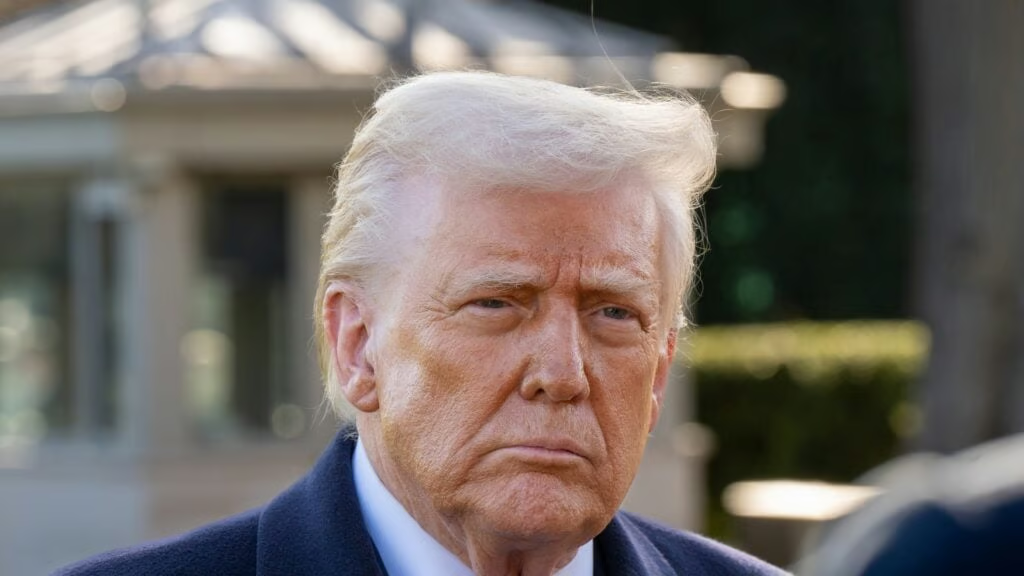
The senator also connected the defense budget debate to the nation's growing debt problem, and he didn't mince words about who he thinks is responsible. "We have an unsustainable debt level and Trump has made it much worse," Kelly said. "Tax cuts for the rich and a rapidly ballooning defense budget is going to quickly turn into a fiscal crisis that hurts Americans even more."
That's a pretty direct line from military spending to kitchen-table economics. Kelly's suggesting that the money being proposed for defense—which would reportedly bring total defense funding to $1.5 trillion—comes with an opportunity cost. Every dollar spent on what he considers excessive military expansion is a dollar not available for other priorities, or a dollar added to the national debt that future taxpayers will have to service.
Kelly isn't alone in his criticism. Former Transportation Secretary Pete Buttigieg and Senator Elizabeth Warren have also taken aim at President Trump's proposed fiscal 2027 budget, arguing it puts military spending ahead of programs that help American families. Buttigieg put it bluntly: "It takes more of your money for foreign wars, while making life in America even more unaffordable."
Warren warned that the $1 trillion-plus military plan "made life harder for families" and neglected American needs. The specifics of the budget proposal help explain why they're concerned: while defense would get a 44% increase (slightly different from Kelly's 46% figure, but in the same ballpark), the plan would cut funding for health care, education, housing, and climate programs.
The budget would also make steep cuts to major federal agencies including Agriculture, Health, and the Environmental Protection Agency, while boosting funding for immigration enforcement, the Justice Department, and a $10 billion infrastructure project in Washington, D.C. Social Security and Medicare were left untouched.
Critics say the proposal represents a significant shift of resources from domestic needs to military priorities, a move they suggest is politically timed ahead of the 2026 midterm elections. The debate highlights a fundamental question about government spending: in a world of limited resources (and growing debt), how should we balance national security against other priorities that affect Americans' daily lives?
Kelly's argument isn't just about the size of the defense budget—it's about the timing. With inflation having squeezed household budgets in recent years, he's questioning whether now is the moment for what he considers excessive military spending. His comments suggest he sees the proposed increase not as a necessary investment in security, but as fiscal recklessness that could ultimately harm the very Americans the government is supposed to protect.