So here's a thing about being in Congress: you get to watch the executive branch handle foreign policy crises and decide whether you need to step in. Rep. Henry Cuellar, a Democrat from Texas, is deciding he does.
Cuellar said Tuesday he intends to support a War Powers resolution when it returns to the House. This is basically Congress's way of saying, "Hey, remember us? The branch that's supposed to declare war? Let's have a chat about that before any missiles fly." He described the move as reinforcing Congress's constitutional role in decisions involving military action. It's oversight, with a capital O.
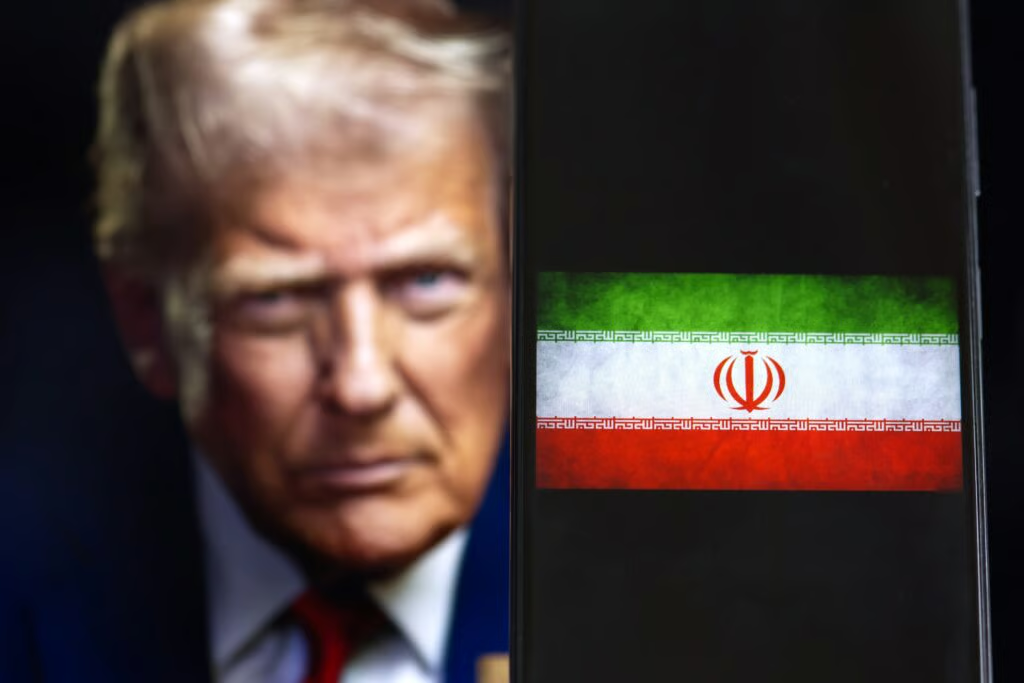
This comes amid, you know, the whole Iran situation. Tensions have been high, rhetoric has been hotter, and Cuellar is worried about the tone. In a statement posted on X, he started with respect for the president's tough job. "I respect the weight of the decisions before the president and the responsibility he carries to protect the American people," he said.
Then came the "but." A big one.
"However, I believe we must be careful with the language we use," Cuellar said. "Strength and destruction are not the same."
That's a pretty clean line. It's the difference between having a big stick and just swinging it wildly. He stressed that U.S. messaging carries global consequences. "The words we choose matter, not just here at home, but around the world." When you're the superpower, everyone is listening, and they're taking notes on whether you sound strategic or just angry.
Now, to be clear, Cuellar isn't going soft on Iran. He reaffirmed his stance that the regime "cannot be allowed to continue supporting terrorist proxies that threaten American lives and our allies." He sees a serious security concern. His critique isn't about the threat; it's about the response.
His main beef seems to be a lack of a clearly defined plan. He noted the administration has yet to provide sufficient details on its long-term objectives. "Strength requires strategy," he said. "It requires clarity of purpose and a defined path forward." It's the old chess vs. checkers argument. You can't just make a bold move; you need to see three moves ahead.
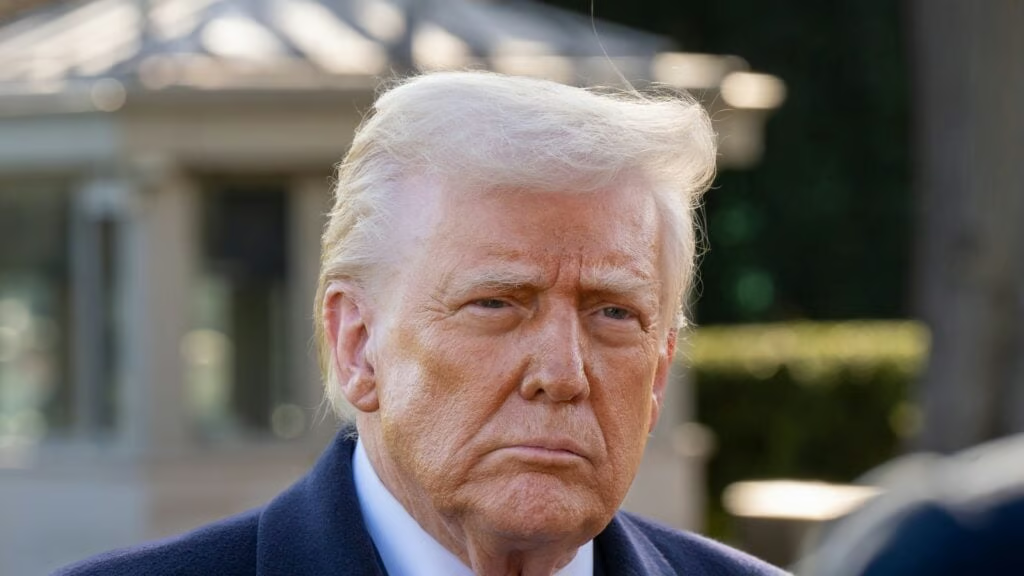
In his lengthy statement, Cuellar took direct aim at a recent post from President Donald Trump, in which Trump warned that "a whole civilization will die tonight" and called the moment historically significant. That's the kind of language that seems to have prompted Cuellar's warning about words mattering.