So, you've heard the chatter about a possible ceasefire between the U.S. and Iran, and you're hoping it might finally bring some relief at the gas pump. Well, don't hold your breath. According to a top energy analyst, a ceasefire on its own isn't going to magically lower oil prices—unless it directly fixes the real problem: the Strait of Hormuz.
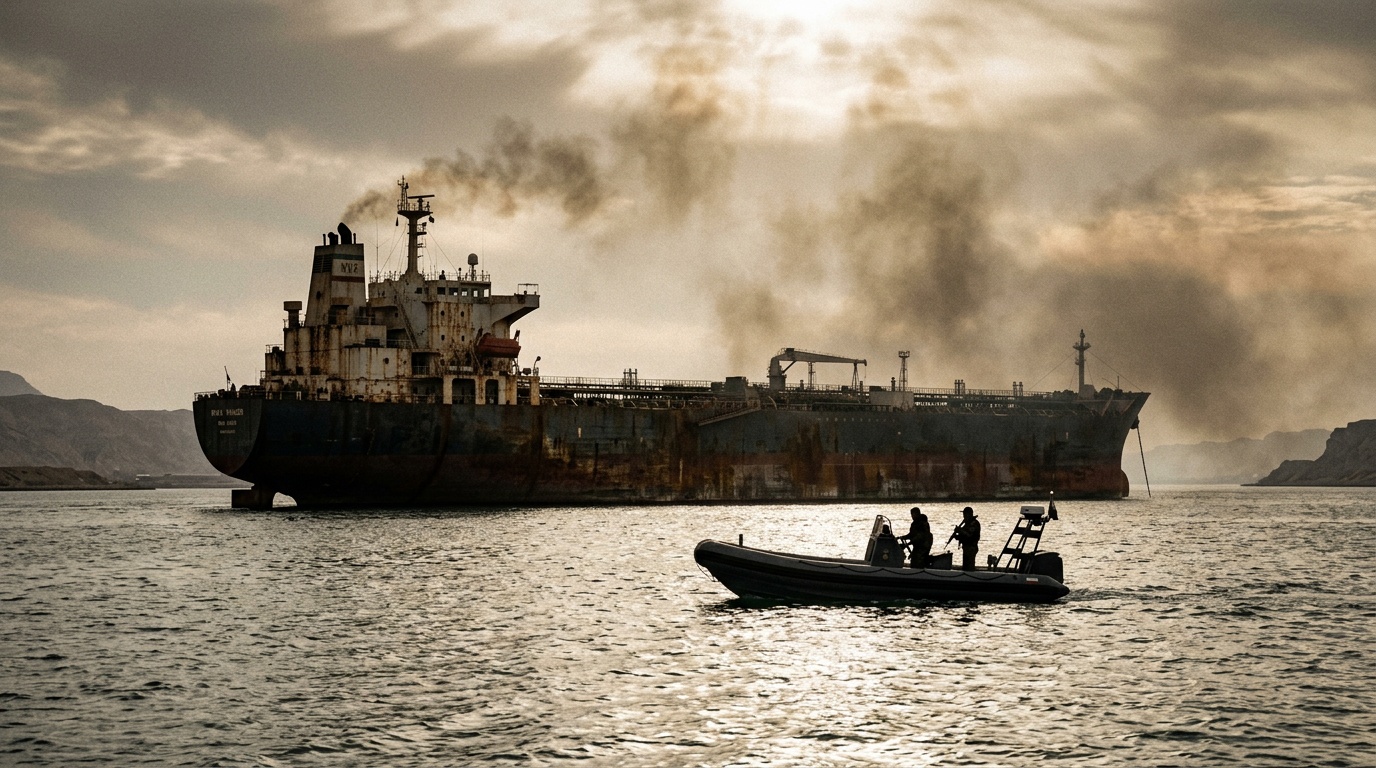
Patrick De Haan, head of petroleum analysis at GasBuddy, put it bluntly on X on Monday. "A cease-fire itself would do little or nothing to impact oil prices directly, unless it directly and clearly impacts the current de-facto shutdown status of the Strait of Hormuz," he wrote. In other words, all that speculation about a price drop is a bit premature. The market won't breathe easy until ships can safely sail through that critical waterway again, restoring some confidence.
This comes despite the Trump administration's assurances that higher gas prices are just a temporary headache for Americans amid the ongoing war. De Haan suggests it's not that simple. He pointed out that gasoline prices are likely to climb again this week, especially inland, as last week's higher wholesale costs trickle down to consumers. We could see the national average hit around $4.20–$4.35 per gallon. "The trajectory of fuel prices remains highly uncertain and is largely contingent on the reopening of the Strait of Hormuz. Until that occurs, the risk of further increases remains firmly in place," he added.
Fuel Costs Jump Amid Hormuz Tensions
Let's talk numbers. The ongoing conflict has already sent fuel prices soaring. According to AAA, the average gasoline price is sitting at $4.140 per gallon. Meanwhile, Brent crude oil futures were trading 0.61% lower at $109.10 per barrel early Tuesday. But that dip might not last—analysts at JPMorgan (JPM) are warning that U.S. gasoline prices could shoot above $5 a gallon in April if the war keeps the Strait of Hormuz effectively closed. That's a serious shock to global energy markets.
Since the war kicked off on February 28, American drivers have collectively shelled out an extra $8.4 billion in fuel costs. That breaks down to an "additional $240 million per day" just to keep cars on the road. It's a stark reminder of how quickly geopolitical tensions can hit your wallet.
Trump-Iran Deadlock Continues
On the diplomatic front, things aren't exactly smoothing over. President Donald Trump set a deadline for Iran to reopen the Strait of Hormuz, threatening military strikes on key infrastructure if they don't comply—escalating the rhetoric in a Truth Social post. Meanwhile, Iran fired back with a 10-point response to U.S. peace proposals, which officials described as "maximalist." Trump called it "significant" but "not good enough." So, the standoff drags on, and with it, the uncertainty at the pump.
In short, unless that strait reopens, don't expect your gas bill to get any lighter anytime soon. The market's watching, and so should you.