So, Iran has finally sent over its wish list. After two weeks of internal deliberation, they passed a 10-point response to U.S. peace proposals via Pakistani mediators on Monday, and a U.S. official didn't mince words, calling it "maximalist." According to reports, the main thing Iran wants is ironclad guarantees that any ceasefire won't just be a temporary pause but will actually lead to a lasting end to the fighting. Because, you know, they've been burned before.
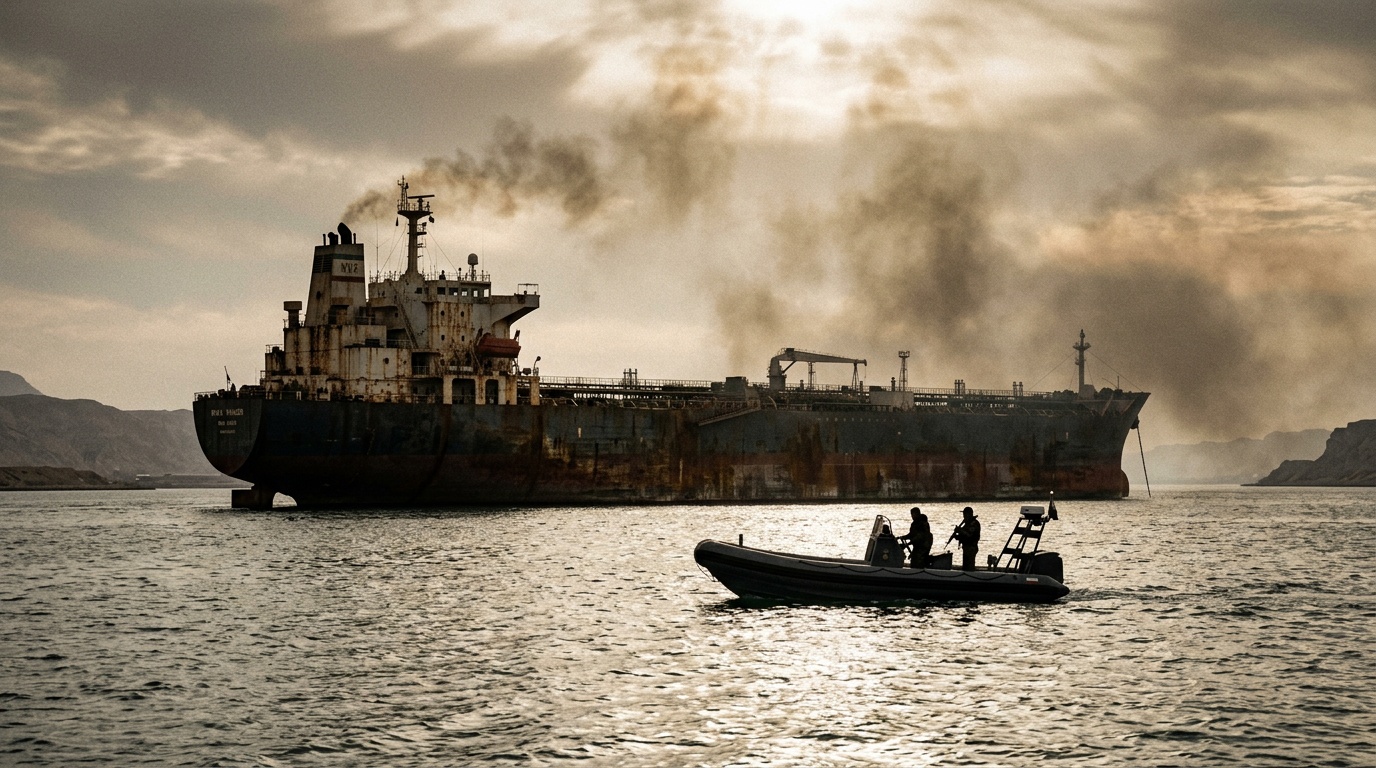
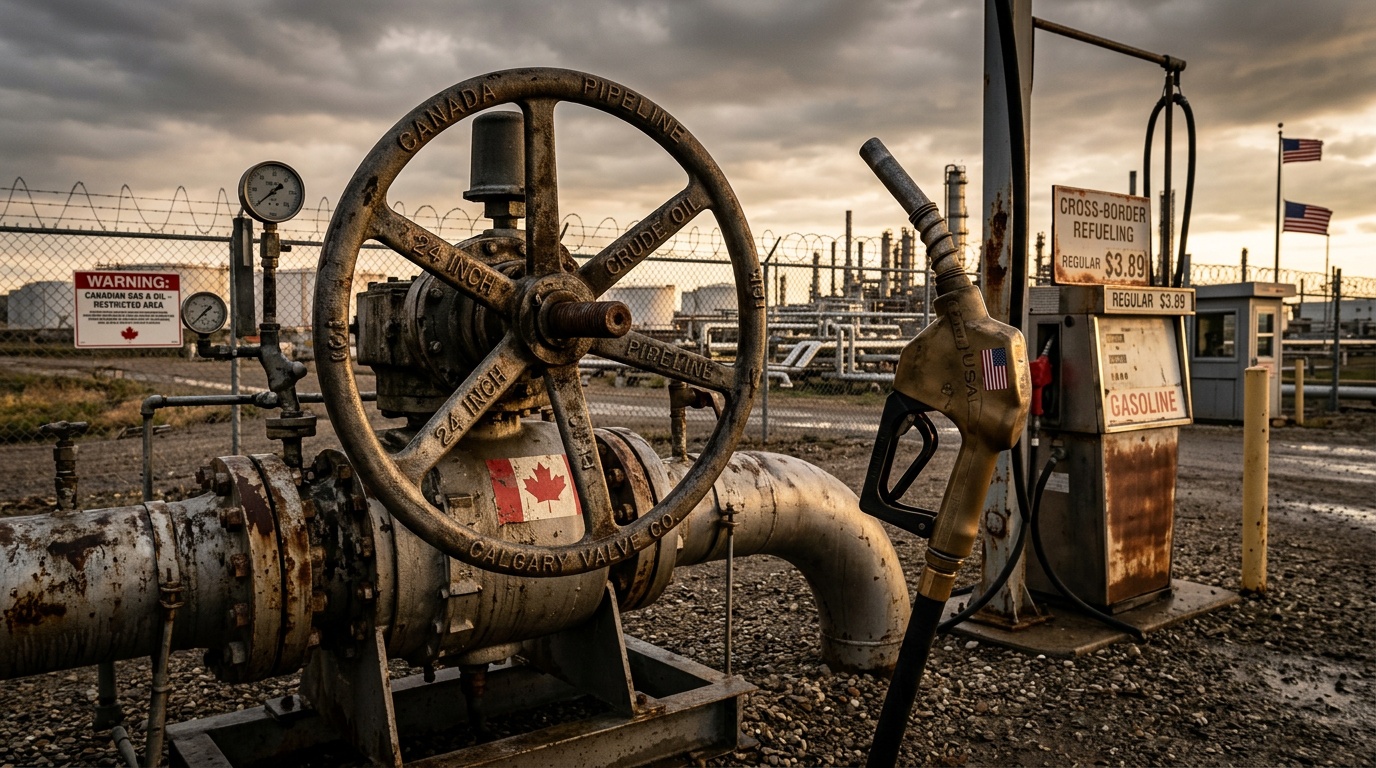
But that's not all. Iran is also asking for a broader ceasefire that covers the whole region, especially in places like Lebanon where their allied groups are involved. They want those attacks to stop too. Plus, they're pushing for a formal protocol to ensure safe passage through the Strait of Hormuz—that critical shipping lane where a lot of the world's oil flows. And, of course, they're looking for some financial help: reconstruction payments or mechanisms to fix the infrastructure damaged during the conflict, along with the lifting of U.S. and international sanctions as part of any deal. It's a classic negotiation move: ask for everything upfront and see what sticks.
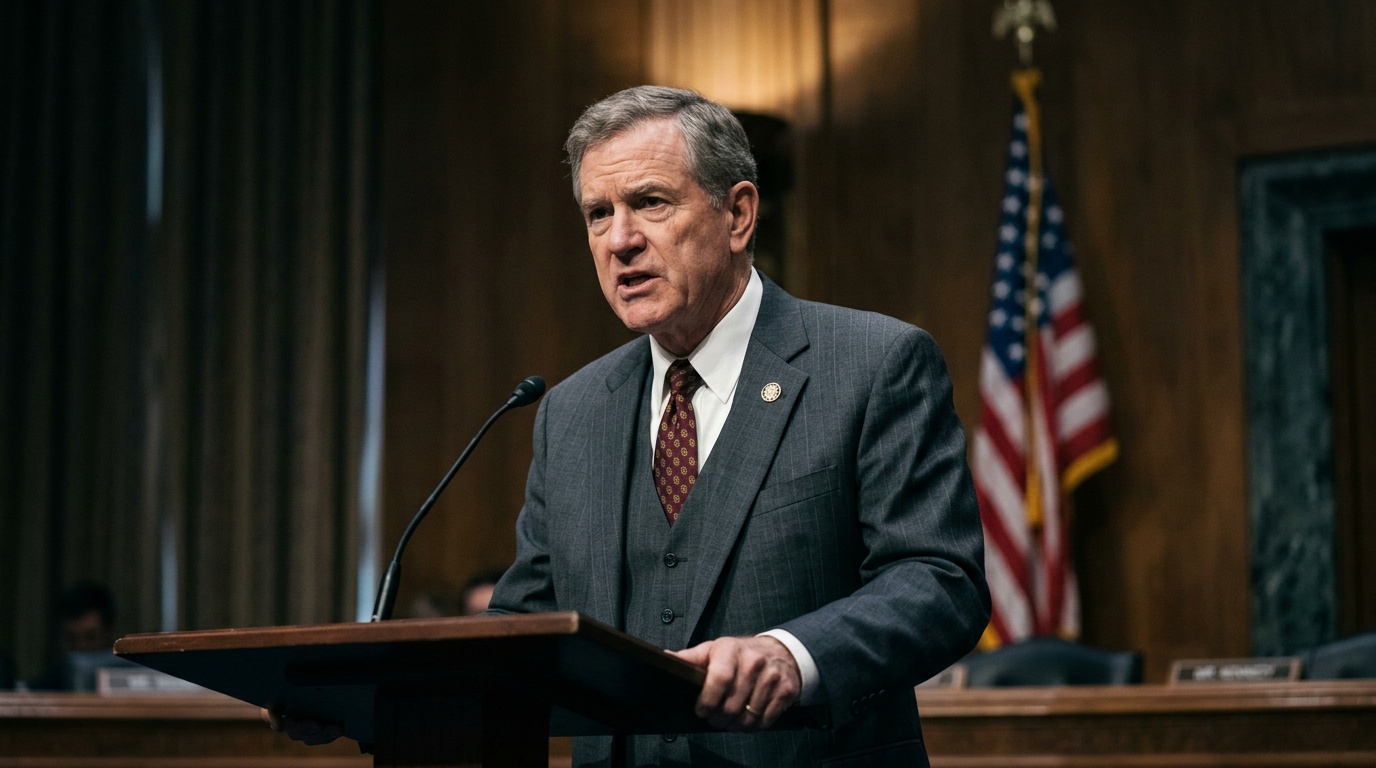
The White House didn't immediately respond to a request for comment, but President Trump had plenty to say. On Monday, he described Iran's response as "significant" but bluntly added it's "not good enough." He told reporters it was "highly unlikely" he'd extend the deadline again, saying, "I gave them a chance, and they haven't taken it." Trump had set a deadline for Iran to reopen the Strait of Hormuz, warning of consequences if they didn't comply. He even threatened military strikes on key infrastructure like power plants and bridges, escalating the rhetoric in a Truth Social post by declaring "Tuesday will be Power Plant Day and Bridge Day" in Iran. So, the pressure's on.
Meanwhile, Israel isn't exactly cheering for a deal either. An Israeli official said Prime Minister Benjamin Netanyahu has cautioned Trump against agreeing to a ceasefire. But last week, Trump told Time Magazine, "They've been a good team player. They'll stop when I stop." It's a bit of a mixed message—Trump praising Israel's cooperation while Netanyahu warns him off a deal. Makes you wonder who's really calling the shots here.
Behind the scenes, there's been a flurry of diplomatic activity. Pakistan's Army chief Asim Munir held overnight talks with Vice President JD Vance, Special Envoy Steve Witkoff, and Iranian Foreign Minister Abbas Araqchi to try to broker something. They're working on a proposed framework—tentatively called the Islamabad Accord—that aims to trigger an immediate ceasefire, reopen the Strait of Hormuz, and pursue a broader agreement within 15–20 days. Sounds ambitious, but hey, that's diplomacy for you.
Separately, there were talks over a proposed 45-day ceasefire as a first step toward ending the conflict, involving the U.S., Iran, and regional mediators like Turkey, Egypt, and Pakistan. The idea was to have a temporary truce to create some breathing room for negotiations on a lasting peace. But, according to reports, Iran rejected that proposal. So, it seems like they're holding out for the whole package or nothing at all.
In short, Iran's playing hardball with a list of demands that includes money, sanctions relief, and a wider peace, while Trump's saying it's not enough and threatening action. With Israel warning against a deal and Pakistan trying to mediate, it's a high-stakes game where everyone's trying to figure out who'll blink first. Stay tuned—this could get messy.