So here's a thing that's happening: Iran is getting creative with its defense strategy. Instead of just moving troops around, they're calling on athletes, artists, and young people to form human chains at power plants across the country. It's part of a campaign called "Human Chain of Iranian Youth for a Bright Future," announced by Iran's Ministry of Sports and Youth. The idea, set for 2 p.m. Tehran time, is pretty straightforward—they want to highlight that attacking civilian infrastructure is considered a war crime under international law. At least 2,000 NGO members are joining in, and the whole thing is being broadcast internationally. Oh, and it's scheduled just 13 hours before a strike deadline set by President Donald Trump targeting Iranian infrastructure. Timing, as they say, is everything.
Anthony Scaramucci, the former White House Communications Director, shared this development on X with a warning that's worth paying attention to. He wrote, "It is unthinkable that any nation that is a democracy and governed by its people would knowingly allow war crimes to be committed on another country and its people." Then he added, "We can't become what we despise in our enemies." It's one of those lines that makes you pause and think about the bigger picture—what happens when geopolitical tensions push countries to the edge, and how do democracies maintain their principles?
Speaking of edges, the situation around the Strait of Hormuz is getting pretty tense. The Pentagon canceled a Tuesday briefing with top U.S. defense leaders, including Defense Secretary Pete Hegseth and Joint Chiefs Chair Gen. Dan Caine, just hours before Trump's deadline. No explanation was given, but it's hard not to connect the dots. On Saturday, Trump issued a 48-hour ultimatum: reopen the strait or face potential U.S. strikes on Iranian power plants. He doubled down on Sunday, warning of dire consequences if Iran didn't comply by Tuesday. Fresh intelligence suggests Iran is unlikely to budge, which isn't too surprising given the leverage they hold.
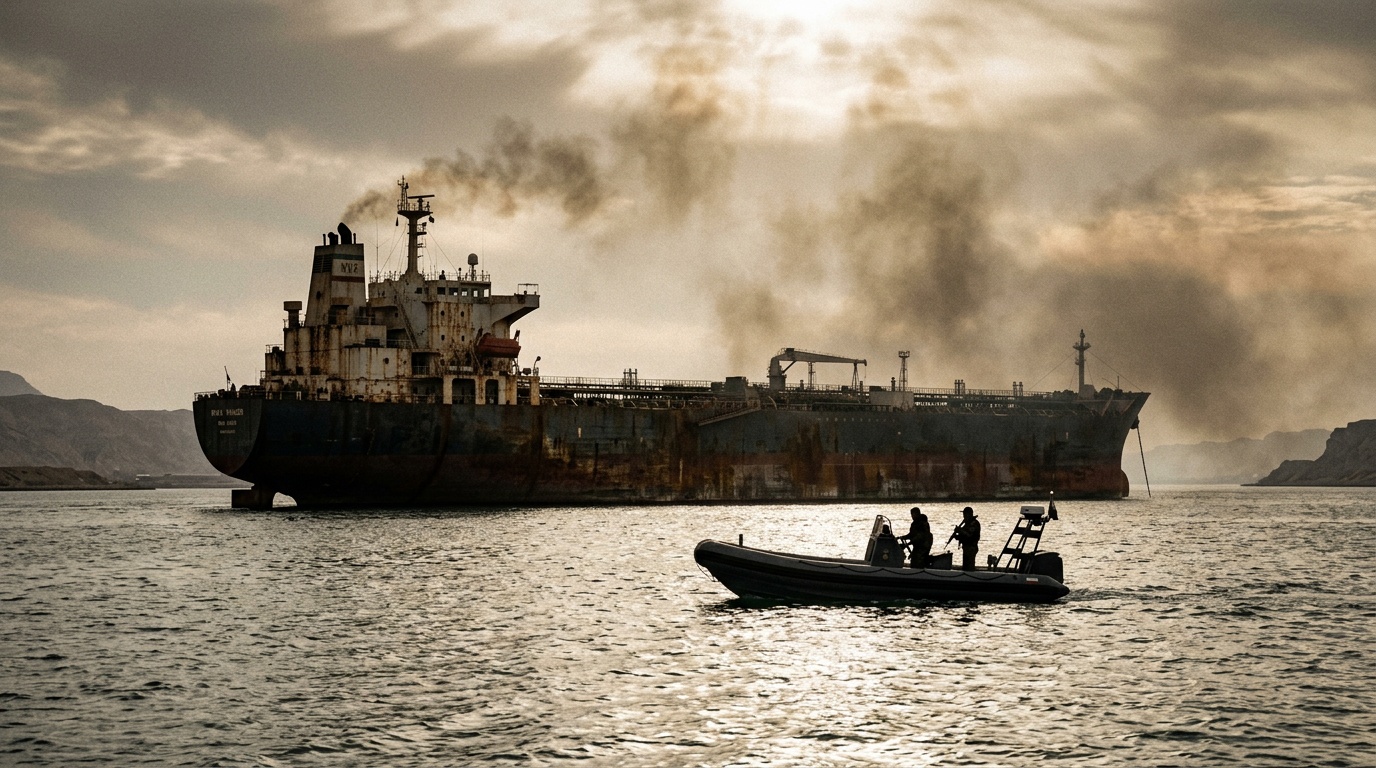
The Strait of Hormuz is a big deal—it carries about one-fifth of global oil trade. Iran's ability to disrupt shipping through attacks, mines, and threats has already pushed oil prices higher and put pressure on Trump. Analysts point out that this gives Tehran outsized influence without firing a shot. Ali Vaez told Reuters, "Its ability to drive world energy markets … is much more potent than even a nuclear weapon." Think about that for a second: controlling a choke point in the oil trade can be more powerful than having nukes. It's a reminder that in modern conflicts, economic weapons often pack just as much punch as military ones.
So where does this leave us? Iran is using civilians as a shield, Trump is threatening strikes, and Scaramucci is urging caution. It's a high-stakes game where the rules of war, public perception, and global energy markets all collide. As the deadline looms, everyone's watching to see if diplomacy can prevail or if we're headed for another escalation. In the meantime, those human chains in Iran are a stark visual of how messy and human these conflicts can get.