Here's a political and economic puzzle for you: What happens when a president says he'd welcome foreign automakers to build factories and hire American workers, but senators from auto-making states say, "Actually, please don't"? That's the situation unfolding in Washington, with Chinese car companies caught in the middle.
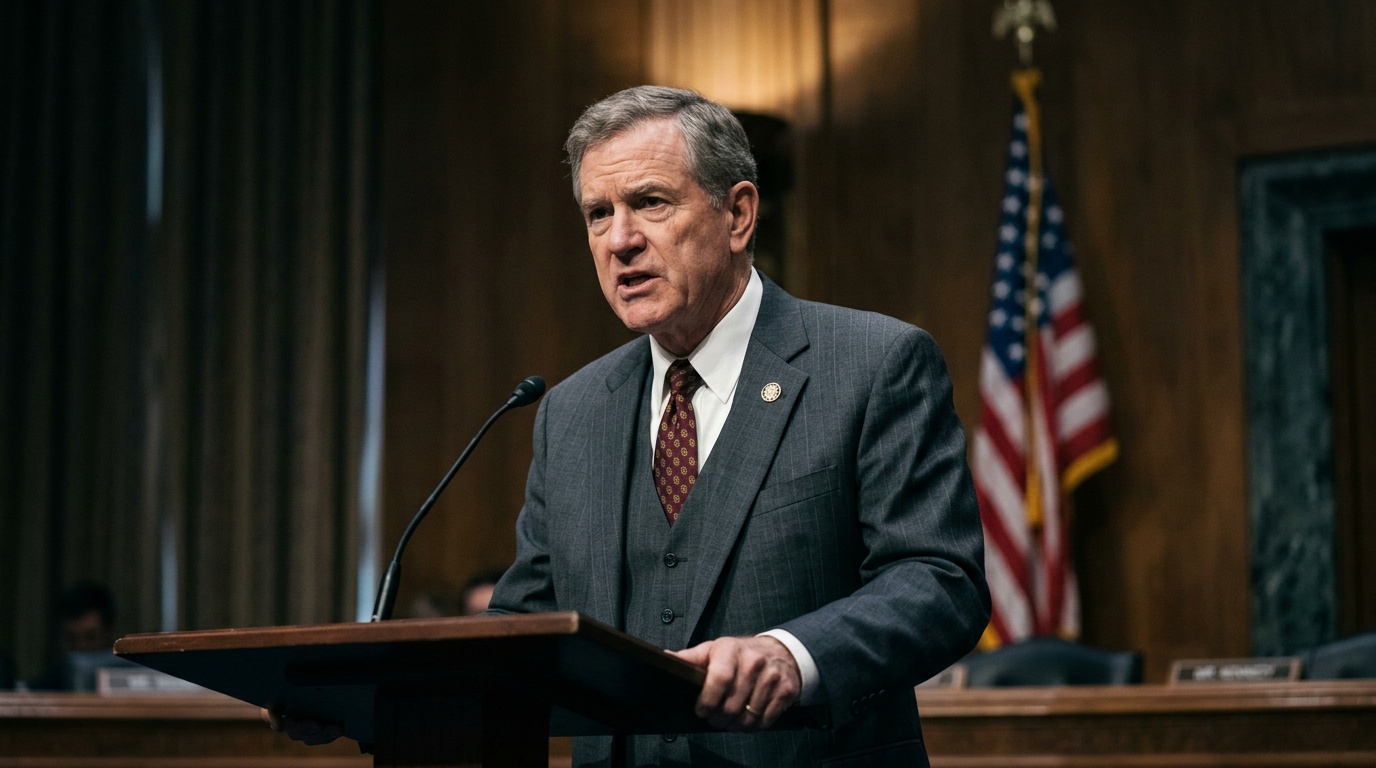
Senator Elissa Slotkin, a Democrat from Michigan, took to social media on Monday to make her position crystal clear. "Inviting Chinese automakers to set up in the US is bad for Michigan and our economy," she wrote. Her concern isn't just about competition; it's about how that competition is funded. She warned that the Chinese Communist Party makes vehicles "dirt cheap" through state subsidies. But there's another layer: she's worried that these "connected cars" could collect video and location data that might be sent back to Beijing. So it's an economic argument wrapped in a national security one.
Slotkin isn't going it alone. She joined Senate Minority Leader Chuck Schumer of New York and Senator Tammy Baldwin of Wisconsin in sending a formal letter to President Donald Trump. Their request is straightforward: block Chinese automakers from opening manufacturing plants in the United States. They also want to stop Chinese vehicles assembled in Mexico or Canada from entering the U.S. market. This puts them directly at odds with comments Trump made back in January. Speaking in Detroit, he said he would welcome Chinese automakers building plants in the United States—if they hired American workers. "If they want to come in and build a plant and hire you and hire your friends and your neighbors, that's great, I love that," he said at the time. It was a classic Trumpian pitch focused on jobs.
The senators see it differently. In their letter, they argued, "We must be clear-eyed that inviting China's automakers to set up shop in the United States would confer an insurmountable economic advantage impossible for American automakers to overcome, and it would trigger a national security crisis that could never be reversed." That's strong language. They're essentially saying the playing field isn't level because of Chinese government subsidies, and letting them build here would be a permanent, dangerous shift.
When Reuters asked the White House about this appeal, the response was a firm pushback. The administration said it wants more investment tied to America's industrial revival, but any suggestion it would sacrifice national security to get it is "baseless and false." So the White House is trying to walk a line: yes to investment, no to security risks.
Interestingly, the push to keep Chinese automakers out has broad support from the industry itself. Last month, trade groups representing nearly all major automakers urged the administration to keep Chinese carmakers out. This was ahead of Trump's planned May summit with Chinese President Xi Jinping. It's a rare moment of alignment between Democratic senators and the auto industry, though perhaps not surprising when both feel threatened by subsidized competition.
It's worth noting the existing barriers. Chinese autos already face tariffs of roughly 100%, according to the Reuters report. Yet, some recent surveys suggest American consumers are showing growing interest in them. So the demand might be there, but the political and economic gates are heavily guarded.
So where does this leave us? You have a president who likes the idea of factories and jobs, senators who see an existential threat to their home-state industry and national security, an industry lobbying to keep competitors out, and a White House insisting it can handle both investment and security. It's a classic Washington standoff with billions of dollars and the future of auto manufacturing at stake. The next move likely hinges on the upcoming summit and whether the economic argument or the security argument wins the day.