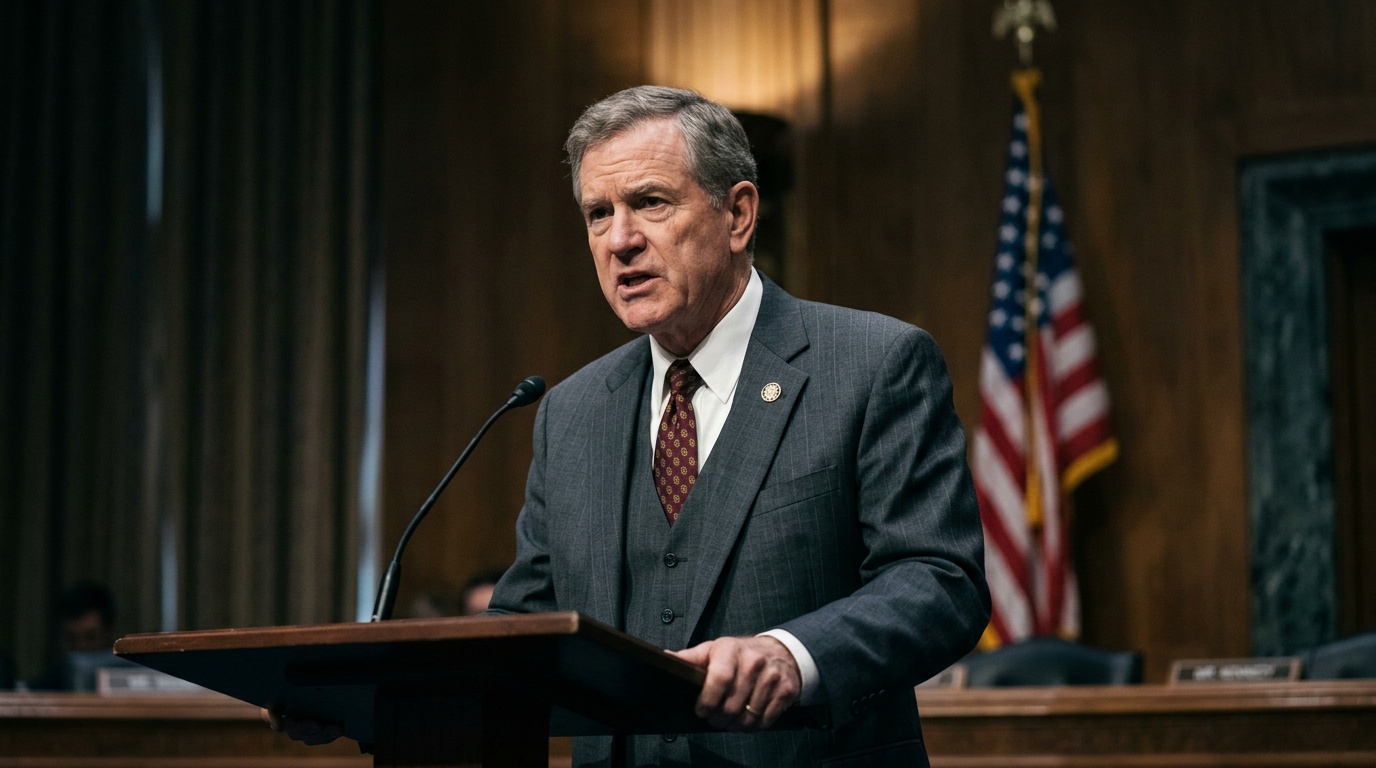
So here's a thing that happened on Tuesday morning: the Pentagon was supposed to hold a press briefing with Defense Secretary Pete Hegseth and Joint Chiefs Chair Gen. Dan Caine. Then, abruptly, it wasn't. The briefing, scheduled for 8 a.m., was canceled without explanation, according to reports.
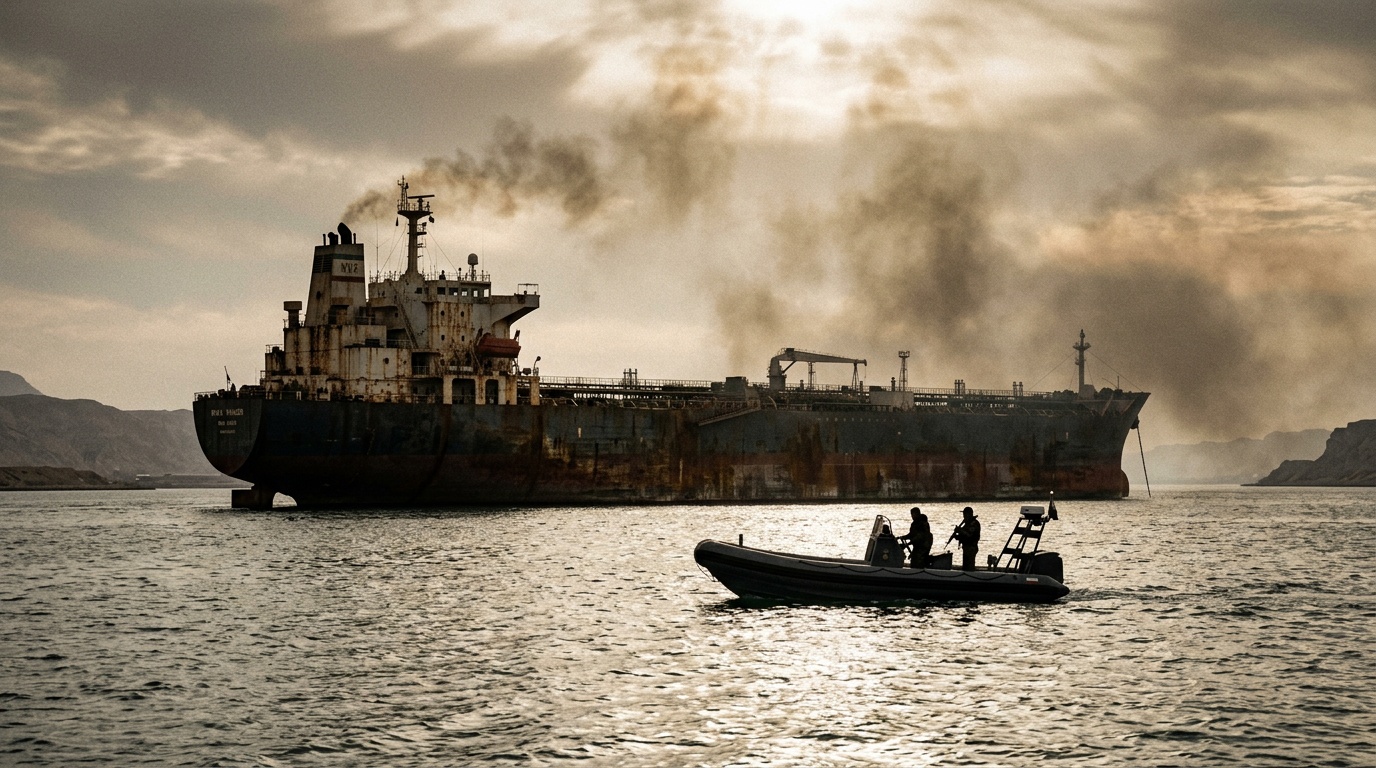
Why does this matter? Timing. The cancellation came roughly 12 hours before a deadline set by President Donald Trump demanding that Iran reopen the Strait of Hormuz—that crucial global oil shipping chokepoint—or face potential U.S. military strikes.
Let's rewind to the weekend, because Trump has been very clear about the stakes. On Sunday, in a post on Truth Social, he issued a stark warning: "Tuesday will be Power Plant Day and Bridge Day, all wrapped up in one, in Iran." He followed that with a more colorful demand: "Open the ****** Strait, you crazy *********, or you’ll be living in Hell – JUST WATCH!"
This wasn't a one-off. The "Power Plant Day" threat is the culmination of a series of escalating warnings. On Monday, during a press conference, Trump threatened to destroy Iran's civilian infrastructure within four hours if the Strait of Hormuz was not reopened by Tuesday. He pointed to the rescue of a downed F-15E pilot as "very historic" and made an unusual allegation that Iran was "using children to bring a notebook back and forth" in negotiations.
The backdrop here is a diplomatic scramble that seems to have stalled. Over the weekend, mediators circulated a 45-day ceasefire proposal. Trump called it "a significant step," but Iran rejected it, reportedly demanding guarantees against future aggression. That rejection appears to have triggered the hardline ultimatum.
Trump's timeline started on Saturday with a 48-hour warning via Truth Social, explicitly tying the reopening of the strait to avoiding strikes on Iranian power plants. The Sunday post doubled down, promising dire consequences if the deadline passed without action. And last week, he laid out the potential targets in detail: electric plants, oil wells, Kharg Island, and desalination plants could all be on the table if a deal wasn't reached.
So, you have a canceled Pentagon briefing with top defense leaders, a hard deadline hours away, and a president publicly spelling out which pieces of a country's infrastructure he's prepared to blow up. The Strait of Hormuz isn't just any waterway—it's a lifeline for global oil shipments. Keeping it closed is a major geopolitical lever; threatening to bomb power plants to get it reopened is, well, a very direct form of persuasion.
The briefing cancellation might be a coincidence. Or it might be a sign that things are moving very quickly behind the scenes, and the people who would normally explain what's happening are too busy dealing with it. Either way, all eyes are on that Tuesday deadline and what comes after.