Here's a funny thing about Nvidia Corp (NVDA)'s rise to become the most important company in the AI revolution: it doesn't actually make the chips. It designs them, brilliantly. But every single advanced AI chip that powers ChatGPT, Midjourney, and your cloud provider's latest offering is manufactured by Taiwan Semiconductor Manufacturing Company Ltd. (TSM) in Taiwan. That quiet $2 trillion giant is the factory floor for the AI age.
And that factory floor has a problem. It runs on electricity. A lot of electricity.
Semiconductor manufacturing is, as Principal Asset Management points out, "highly energy-intensive." We're talking about facilities so sensitive that even a brief power flicker can ruin a batch of chips worth millions and halt production lines. In a stable world, you build these fabs where the engineering talent and supply chains are—like Taiwan. But the world, lately, has not been feeling particularly stable.
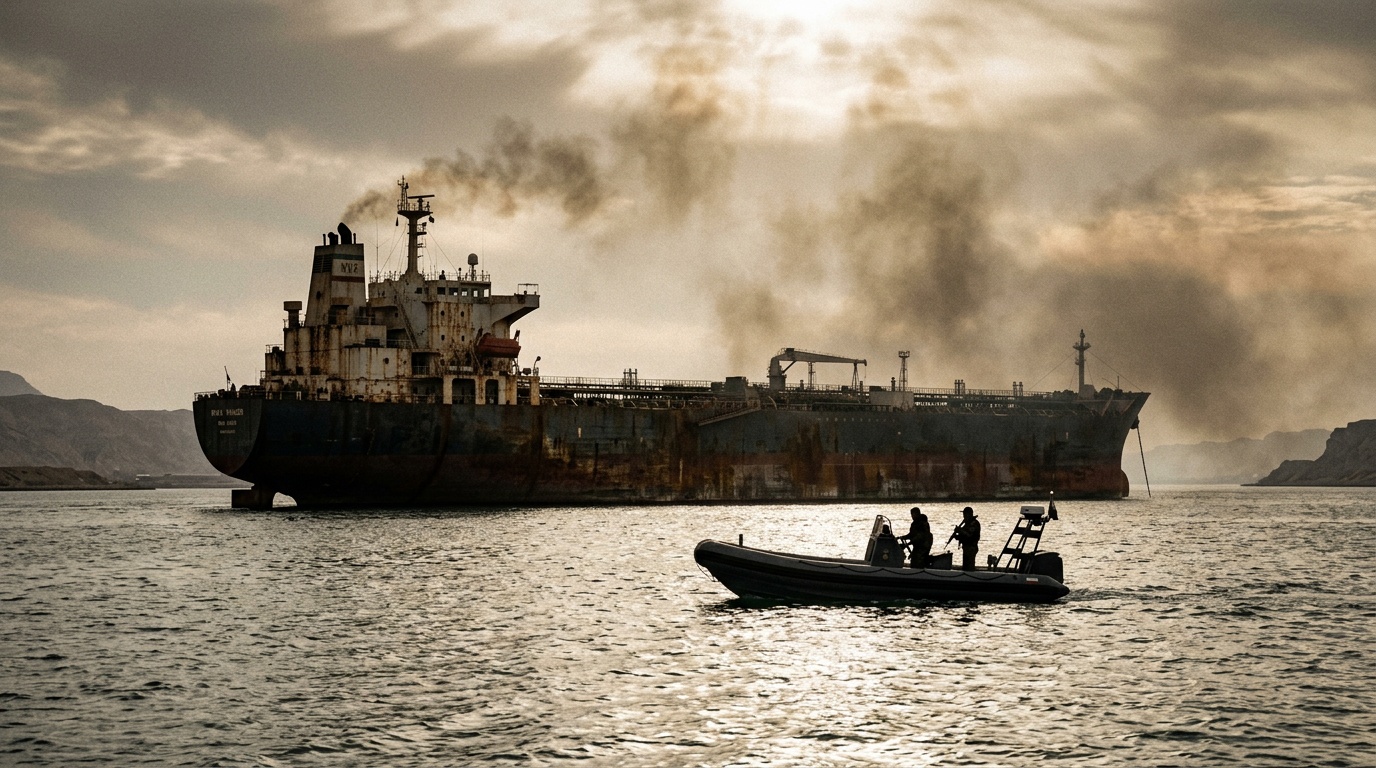
Geography is suddenly the whole game. Taiwan produces more than 90% of the world's most advanced semiconductors. It also imports almost all of its energy. And a crucial choke point in that energy supply is a narrow strip of water halfway around the world: the Strait of Hormuz, which is controlled by Iran.
Energy Is The Hidden Bottleneck
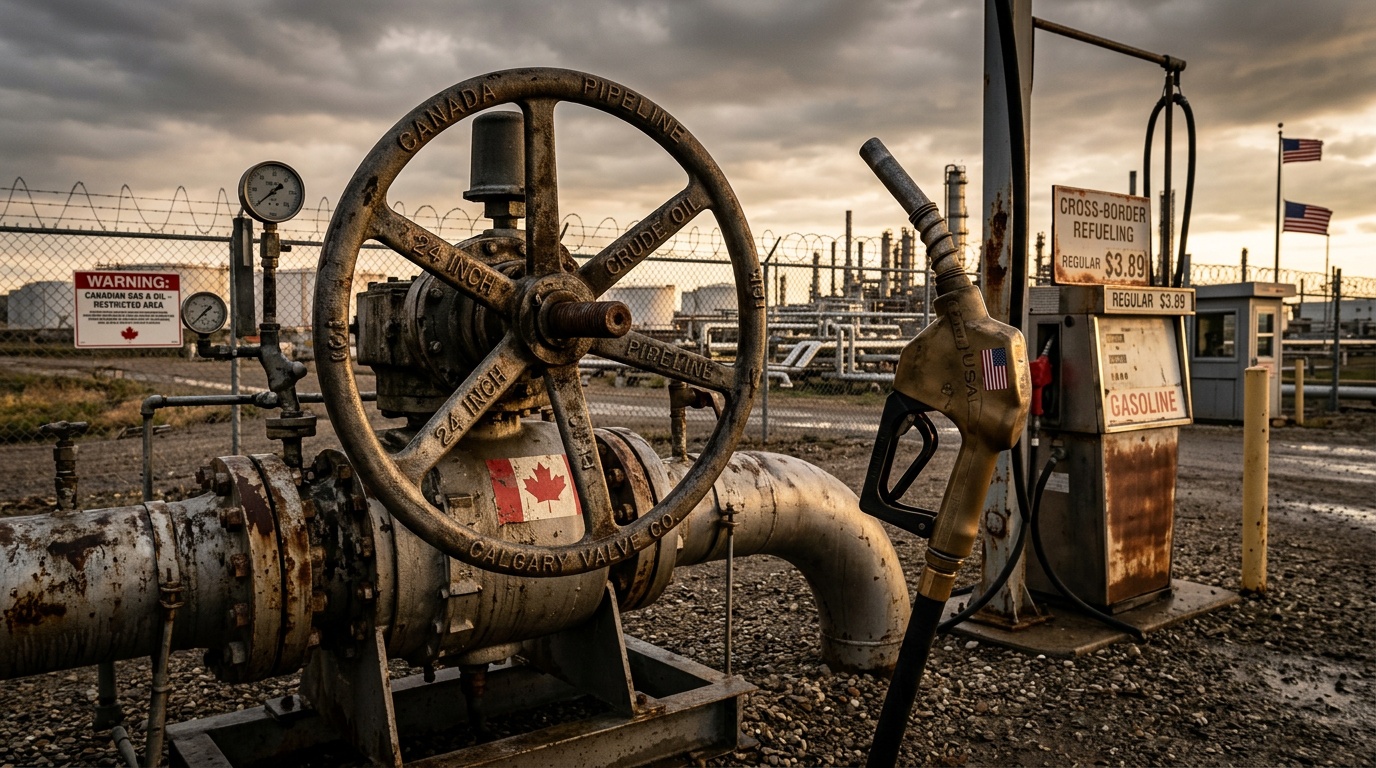
Think about the supply chain for a second. Around 60–70% of the crude oil imported by Taiwan and South Korea (another chip-making hub) sails right through that strait. That's risky, but oil you can stockpile in tanks. The bigger, sneakier problem is liquefied natural gas.
LNG is harder to store in massive quantities. Taiwan leans on it heavily for electricity generation, and its power-hungry tech sector is a huge part of that demand. If something—a regional conflict, a blockade, a major escalation—disrupts those LNG tankers, it's not just an issue of prices going up. The lights could literally go out in the fabs. Production slows. Or stops.
This is where the investment thesis starts to twist. The market has been rewarding Nvidia for its unassailable lead in AI chip design. But what if the bottleneck isn't design talent, but kilowatt-hours? What if the constraint is physical security of energy inputs rather than intellectual property?
Enter Intel Corporation (INTC). While Nvidia has been printing money with TSMC-made chips, Intel has been on a less glamorous, multi-year, multi-billion-dollar journey to build up its own manufacturing muscle—in Arizona, in Ohio, in Europe. In a world of perfect globalization, this looked inefficient. Why rebuild the wheel when TSMC's wheel is the best in the world?
But in a world where tanker routes matter as much as transistor counts, that strategy starts to look different. Intel doesn't necessarily need to beat Nvidia on pure chip performance tomorrow. It might just need to be the company whose factories aren't in a geopolitically tense island that gets its power from fuel that sails past a conflict zone. Proximity and control could suddenly be worth a premium.
From AI Trade To Supply Chain Trade
This is the part the market might be sleeping on. The entire AI rally has been a demand story: more models, more cloud spending, more enterprise adoption. The supply side—the actual physical making of the things—has been taken for granted. It's just there, humming along in Taiwan.
But if that hum stutters, the ripple effect wouldn't be contained. It would wash through the entire AI stack. The hyperscalers (Microsoft (MSFT), Amazon (AMZN), Alphabet (GOOGL)) waiting for their GPU orders. The server makers. The software companies building on this hardware. The whole edifice is built on a foundation of silicon made in a very specific, and potentially vulnerable, place.
Resilient, But Not Immune
For now, semiconductor stocks have shown resilience. They've stabilized and even outperformed at times. But that resilience comes with a giant asterisk. It assumes the energy keeps flowing, the ships keep sailing, and the geopolitical plates don't shift.
The system that powers Nvidia's dominance—TSMC's unparalleled manufacturing—is also, paradoxically, its potential fragility. So the next big question for the AI market might not be "Who has the best architecture?" but something more fundamental: "Who can keep the lights on and the chips coming?"
It's a reminder that in technology, sometimes the most critical path isn't the circuit diagram, but the map.