Just when Europe thought it might be catching a break, the energy markets are back with a vengeance. Jet fuel and diesel prices have shot up to record highs, inflation is picking up speed again, and everyone's watching the Middle East with that familiar sinking feeling. It's like the region's economy just got handed a pop quiz it didn't study for.
Supply chains are getting tested all over again by geopolitical risk, reviving fears of another energy-driven shock right as things were starting to look stable. For airlines and anyone planning a trip, the concern isn't just about paying more—it's the very real possibility of a genuine supply squeeze if things in the Middle East don't calm down soon.
Weekly Chart: When Jet Fuel Prices Go Vertical
Let's talk numbers. Northwest European jet fuel and diesel prices didn't just go up on Thursday; they went to new record highs. Jet fuel was assessed at $1,903.50 per metric ton. Diesel hit $1,604/t. Traders are clearly bracing for more escalation.
The jet fuel benchmark rose by almost $300 in a single day. That's not a typo. It's now more than $100 above the previous record set just back on March 20. The main driver? Europe gets about 30% of its jet fuel imports from the Persian Gulf, and that flow has been reduced. When a key supplier taps the brakes, prices do this.
Inflation Makes an Unwelcome Comeback
The war's economic impact is now hitting European price tags. Euro area annual inflation climbed to 2.5% in March, up from 1.9% in February. That's the highest rate since January 2025, and more importantly, it's now above the European Central Bank's 2% target.
The culprit is energy. Energy costs rose 4.9% year-over-year in March. That's the first annual increase in about a year and the sharpest jump since February 2023.
Germany, the eurozone's powerhouse, saw its inflation rate climb to 2.7% in March, up from 1.9% the month before. That's the highest level since January 2024. The driver there was an even steeper 7.2% spike in energy prices, also the first increase since December 2023.
Here's why this matters beyond the headline numbers: A sustained spike in jet fuel costs doesn't just mean airlines pay more. It means they have to make choices. They can raise fares more aggressively, they can cut capacity on certain routes, or they can delay launching new ones. That tightens travel conditions right when demand was supposed to be recovering nicely. Global air travel is already severely disrupted, with many people still unable to fly as planned after major Middle Eastern hubs were forced to close.
The Geopolitical Rollercoaster: Threats and Talks
The backdrop to all this is, of course, the conflict itself. US President Donald Trump issued his latest warning to Iran via Truth Social, setting a Tuesday deadline for Tehran to reopen the Strait of Hormuz. The alternative, he said, would be "devastating strikes" on Iranian power plants and bridges—a package he called "Power Plant Day, and Bridge Day, all wrapped up in one."
He warned Iran would be "living in Hell" if it failed to comply, ending the post with "Praise be to Allah." This extends a series of prior deadlines that have been pushed back amid stalled ceasefire talks. The US and Israel have already struck Iranian nuclear sites and civilian infrastructure in a conflict now in its sixth week.
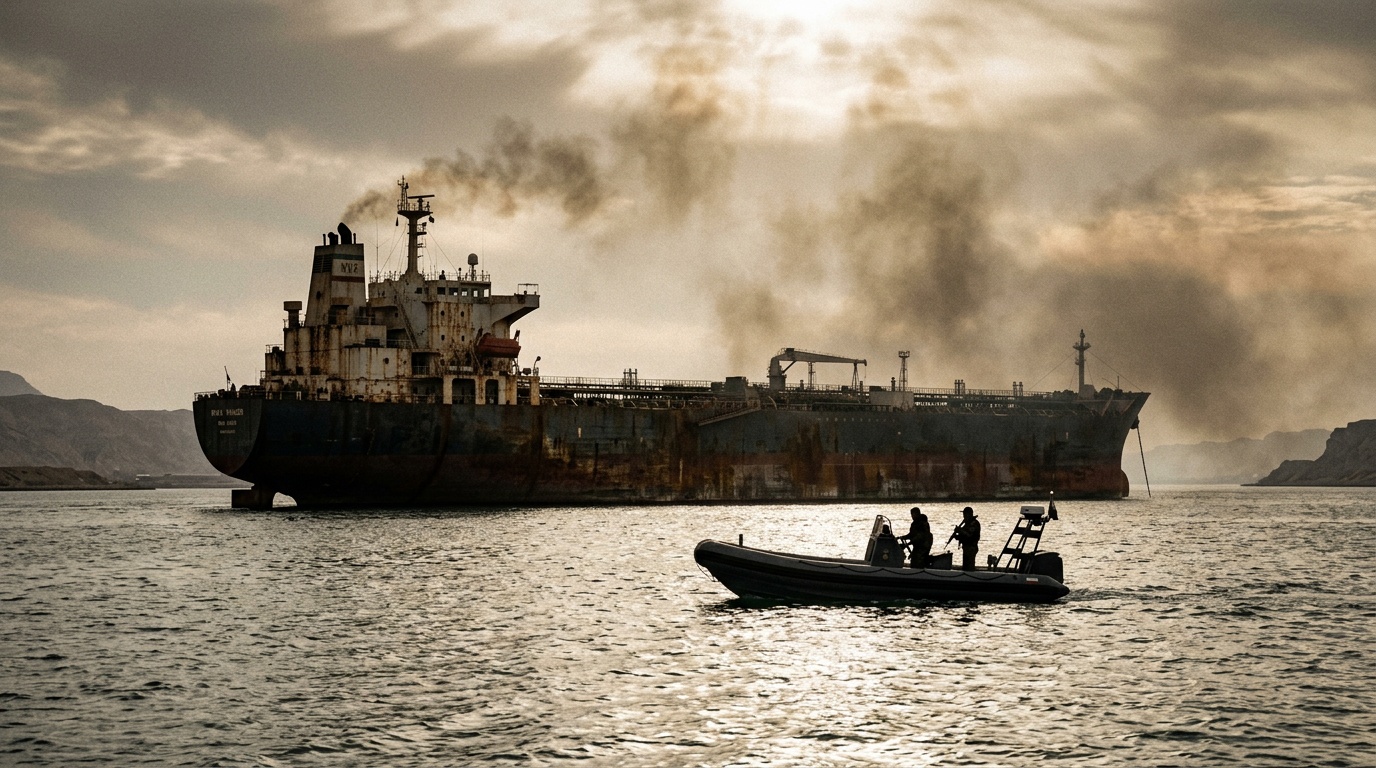
Iran rejected the demand, with its military warning of "far more devastating" retaliation and labeling the threats as potential war crimes. Iran has effectively shut down the Strait of Hormuz, the trade route for about 20% of the world's oil.
But in a potentially significant twist, Axios reported that the U.S., Iran, and a group of regional mediators have discussed terms for a potential 45-day ceasefire that could lead to a permanent end to the war. The report cites four US, Israeli, and regional sources.
According to the report, the US and Iran are negotiating a two-phase deal through Pakistani, Egyptian, and Turkish mediators. The first phase would be that potential 45-day ceasefire, during which talks for a permanent end to the war would happen. The ceasefire could be extended if more time were needed. The second phase would be the agreement to end the war. The sources indicated that fully reopening the Strait of Hormuz and finding a solution for Iran's highly enriched uranium would likely only come as part of a final deal.
The "why it matters" here is huge. Global markets are on edge because the world's most sensitive oil chokepoint is hanging in the balance. Any delay in reopening the strait risks keeping energy prices elevated and prolonging supply disruptions. A breakdown in these talks could trigger a much broader regional escalation. It's the ultimate high-stakes negotiation.
This Week's Economic Data: The First Reality Check
This week brings a batch of European economic data that will show just how quickly these tensions are feeding into the real economy. Rising energy costs squeeze households and manufacturers alike, raising the risk of stagflation—that nasty mix of weak growth and stubborn inflation.
Here's what to watch:
Euro area:
- Retail Sales Year-over-Year (Wednesday): Previous reading was +2% in January.
Germany:
- Factory Orders Month-over-Month (Wednesday): Previous reading was -11.1% in January.
- Balance of Trade Year-over-Year (Thursday): Previous reading was €21.2 billion in January, up from €15.9 billion a year earlier.
- Industrial Production Month-over-Month (Thursday): Previous reading was -0.5% in January.
Italy:
- Industrial Production Month-over-Month (Friday): Previous reading was -0.6% in January.
- Industrial Production Year-over-Year (Friday): Previous reading was -0.6% in January.
Stock in Focus: An Airline Navigating the Turbulence
Let's look at a company in the crosshairs: International Consolidated Airlines Group SA (IAG), which owns British Airways. Its stock climbed 1.4% last week even as it manages the crisis.
The airline has extended cancellations of flights to Amman, Bahrain, Dubai, and Tel Aviv until May 31 and to Doha until April 30. At the same time, it's adding flights to destinations like Bangkok, Singapore, and the Maldives until April. Its low-cost airline, Iberia Express, has cancelled all flights to and from Tel Aviv through May 31.
This is the playbook: reroute capacity, cut where you must, and try to serve demand elsewhere. But the financial pressure is real. Higher oil prices are pushing airlines' fuel bills sharply higher. That forces carriers to raise fares, trim marginal routes, and pass more costs onto passengers. If energy prices stay up, this squeeze could spread across the broader services sector, reinforcing inflationary pressures just when policymakers were hoping for relief.
The uncertainty comes as British business investment fell 2.5% quarter-on-quarter in the three months to December. That's the sharpest contraction since Q3 2023, pointing to a clear slowdown in corporate spending. On an annual basis, business investment rose 2%, in line with initial estimates, but that's still the weakest growth since Q2 2024. When companies get nervous about the future, they stop investing.
Policy Moves: The EU's Long-Term Bet on Ukraine
Amidst all this, the European Commission is making its own moves. It has taken preparatory steps to implement a €90 billion Ukraine Support Loan. The goal is to secure necessary budgetary support and accelerate urgent defense procurement for Ukraine in 2026 and 2027.
The package adopted on Wednesday includes a proposal for the Council to approve the overall amount of the EU's support to Ukraine for 2026. It also includes a decision validating the use of procurement derogations for the first defense product schedule under the Loan, which will focus on drones.
"Today, we are taking the necessary preparatory steps to mobilize this year's budget and procure defense equipment, with a focus on Ukraine's cutting-edge drone industry," European Commission President Ursula von der Leyen said. "With this, we send a clear message: the Commission stands ready to move forward."
In a related and notable step, the EU will also deliver €1.4 billion in revenue from immobilized Russian assets to be used for support to Ukraine. These funds come from Russian Central Bank assets frozen under EU sanctions imposed in response to Russia's war of aggression.
The significance here is twofold. First, the €90 billion loan framework is designed to keep Ukraine solvent and supplied militarily through 2026–27. It's a signal of long-term European commitment despite the uncertainty on the battlefield. Second, using frozen Russian assets marks a significant shift in EU financial policy. It deepens fiscal integration in response to crisis while testing the legal and practical limits of sanctions enforcement.
Europe in the News: A Shift in Defense Posture
On a different note, a new German military service law underscores how security concerns are reshaping policy. The law will require most young men to inform authorities when leaving the country.
The defense ministry confirmed to AFP that men aged 17 and above will need prior approval from the German armed forces for foreign stays lasting longer than three months. Approval will be granted as long as "no specific service as a soldier is expected during the period in question," a ministry spokesman said.
This move highlights Berlin's accelerating shift toward a more assertive defense posture. It reverses decades of suspended conscription and signals a broader recalibration of European security policy in a more uncertain world.
So, to sum it up: Europe is facing a sudden return of energy-driven inflation, airlines are recalculating their routes and finances by the hour, and geopolitics is delivering a volatile mix of threats and potential diplomatic openings. All while economic data this week will show how much of this market shock has already seeped into the everyday economy. It's a lot to process, but for investors and consumers, understanding these connections is the first step to navigating them.