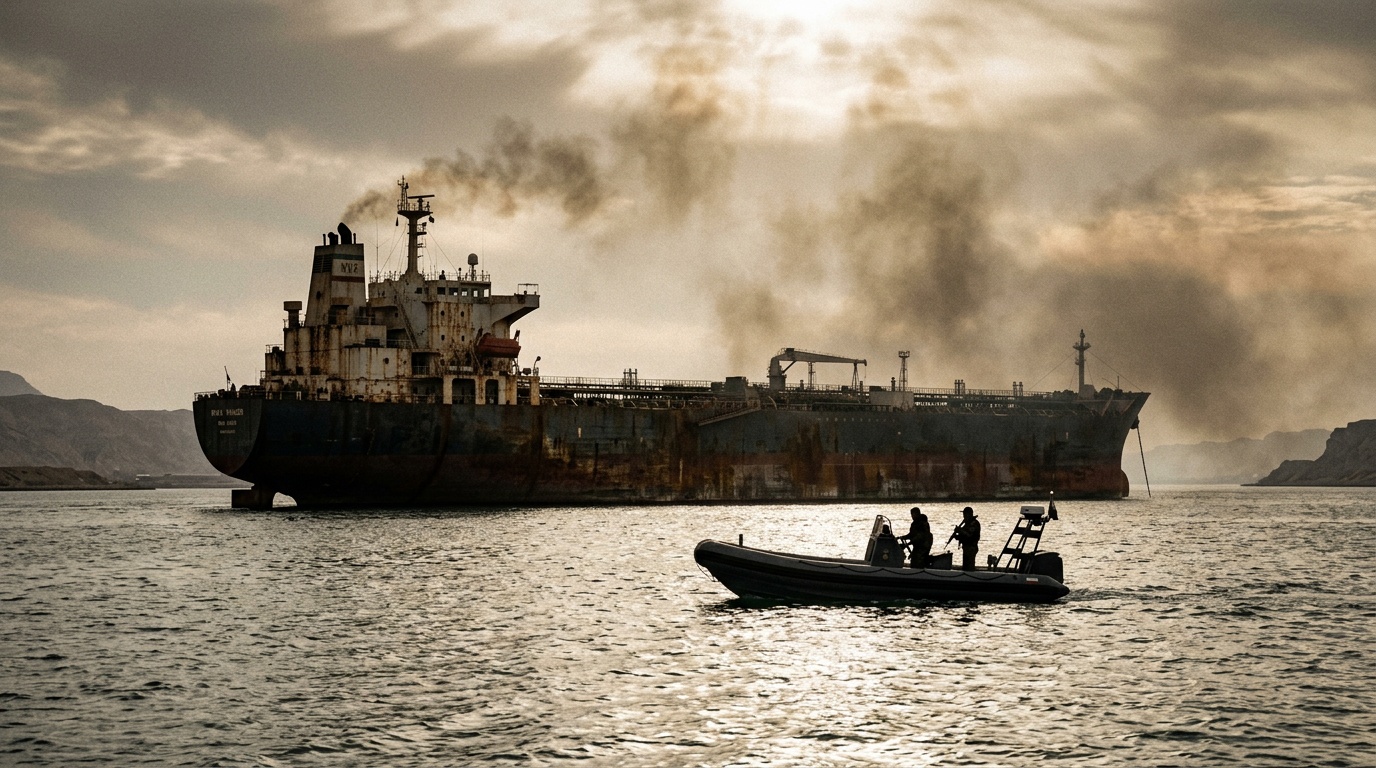
Here's a situation that's making lawmakers on both sides of the aisle reach for the political equivalent of smelling salts. Over the weekend, former President Donald Trump took to his social media platform to issue a stark ultimatum to Iran: reopen the Strait of Hormuz by Tuesday, or else.
The "or else" was particularly graphic. "Tuesday will be Power Plant Day, and Bridge Day, all wrapped up in one, in Iran," he wrote, adding a profane demand for the strait to be reopened. In the world of international diplomacy and the laws of war, threatening to destroy a nation's civilian infrastructure—the stuff that keeps the lights on and people moving—is a big deal. It's the kind of statement that makes foreign policy experts spill their coffee.
And spill their coffee they did. The reaction from Capitol Hill was swift and severe, particularly from Senator Chris Murphy, a Democrat from Connecticut. He didn't mince words. "Trump is calling reporters today to tell them he is going to commit mass war crimes next week," Murphy posted on social media. "GOP leaders need to stop him."
Murphy argued the threat was not just illegal but also strategically nonsensical. "Never mind that blowing up bridges and power plants and killing innocent Iranians won't reopen the Strait," he wrote. "It's also a clear war crime." He accused Trump of not even "pretending to choose military targets" and being willing to "kill tens of thousands of civilians in order to cause a national panic." His closing demand was direct: "GOP leaders should call Congress back into session this week to end this war."
What's remarkable is that the alarm bells weren't just ringing on one side of the political aisle. This wasn't a standard partisan scrum. The condemnation had a bipartisan flavor. Former Representative Marjorie Taylor Greene, a staunch and vocal Trump ally, wrote that the former president "has gone insane" and urged administration officials to intervene. When you've lost MTG on a Trump statement, you've really lost the room.
Other Democratic leaders piled on. Senate Minority Leader Chuck Schumer said Trump was "ranting like an unhinged madman." House Minority Leader Hakeem Jeffries called the rhetoric "disgusting and unhinged." Senator Bernie Sanders urged Congress to act immediately. The unified message was one of profound concern over the escalation of rhetoric targeting civilian lives and infrastructure.
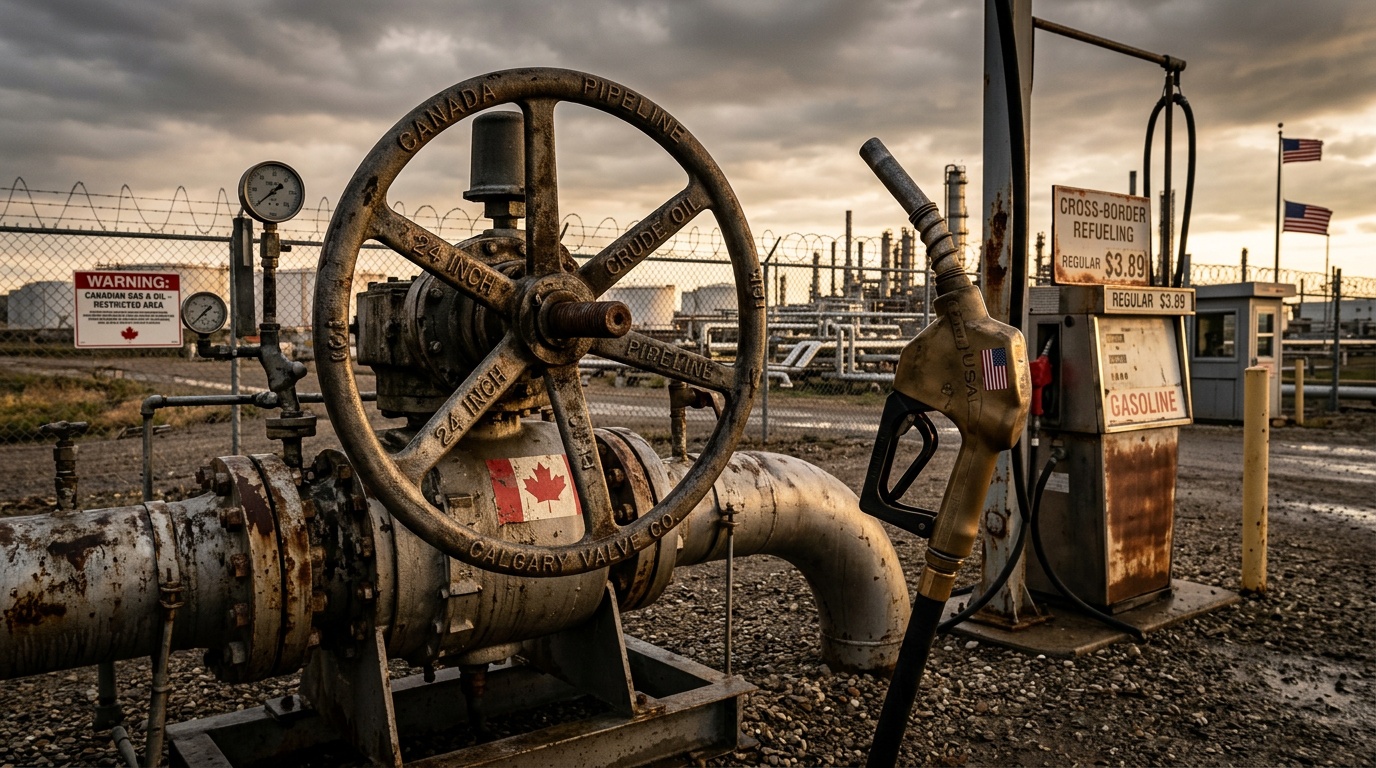
This verbal escalation is happening against a backdrop of real-world consequences. The ongoing restrictions on shipping through the Strait of Hormuz—a critical chokepoint for global oil—are pushing energy prices higher. The average price for a gallon of regular gasoline in the U.S. hit $4.11 on Sunday. Meanwhile, the human cost of the conflict is mounting. Since U.S. and Israeli airstrikes began in late February, reports indicate more than 1,600 Iranian civilians have been killed, including at least 244 children.
Behind the scenes, there's a frantic diplomatic effort trying to pull the region back from the brink. Regional mediators from Pakistan, Egypt, and Turkey are pushing for a 45-day ceasefire. Indirect negotiations are reportedly ongoing between a U.S. envoy and Iran's Foreign Minister. It's the quiet, difficult work of diplomacy trying to manage the fallout from very loud, public threats.
So, where does this leave us? You have a former president making a public threat that legal experts and lawmakers are calling a war crime. You have members of his own political coalition saying he's lost it. You have rising gas prices and a rising civilian death toll. And you have diplomats scrambling to arrange a ceasefire while the public rhetoric suggests someone is itching to start bombing bridges. It's a volatile mix, and Washington seems to be holding its breath to see what Tuesday brings.