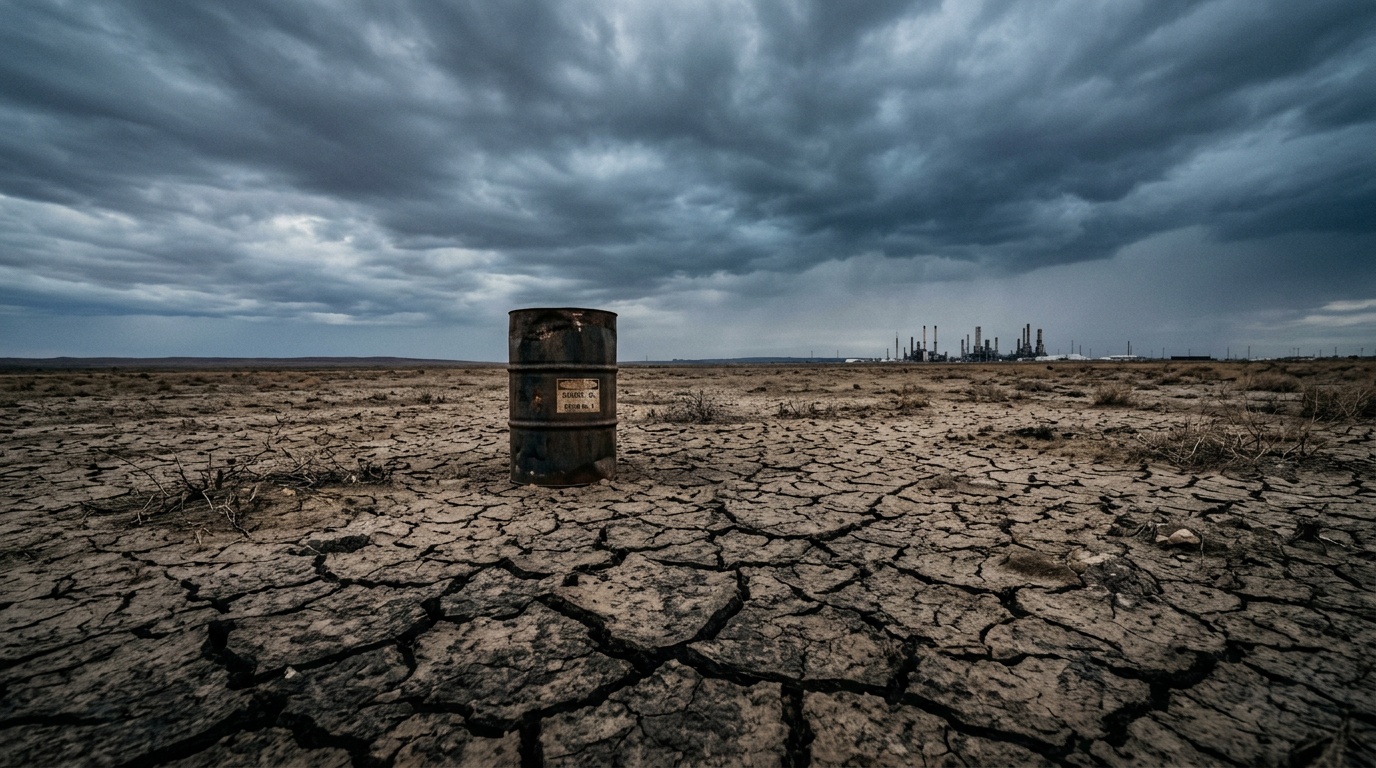
Here's a simple way to think about what's happening in the global economy right now: imagine getting a massive, unexpected tax bill. That's essentially what the International Monetary Fund says is happening to countries around the world because of the war in the Middle East. It's not a tax levied by a government, but a financial burden imposed by surging energy prices and fractured supply chains.
The conflict has triggered what the IMF calls a "historic disruption" in global energy markets. For nations that have to import their fuel—think many in Asia, Europe, and Africa—the immediate effect is that of a "large, sudden tax on income." Their money doesn't go as far because they're paying so much more for energy. This threatens to derail fragile economic recoveries that were just getting started.
The Uneven Burden
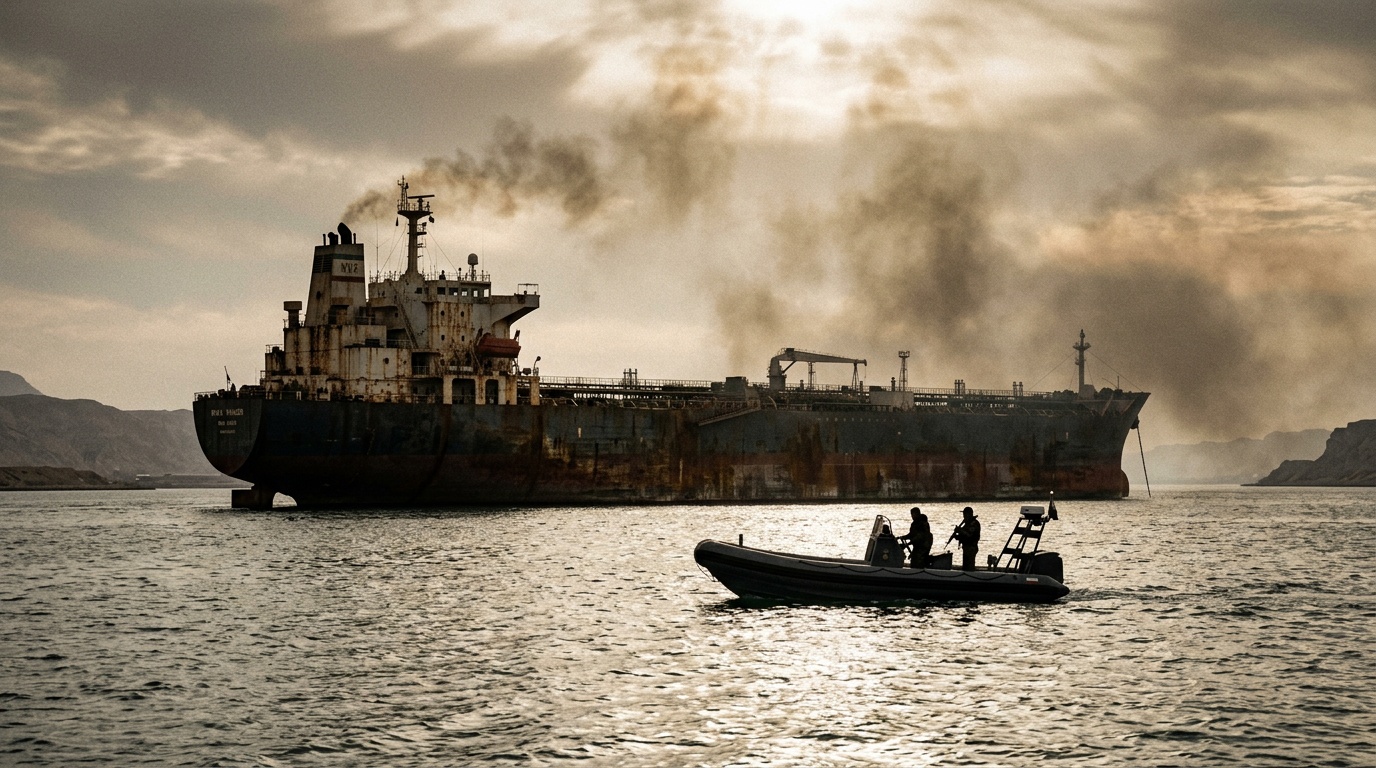
The economic fallout is sweeping, but it's highly uneven. The de facto closure of the Strait of Hormuz—a critical artery for 25% to 30% of global oil and 20% of liquefied natural gas—has severely restricted supply. While some energy exporters might see their fiscal positions improve (selling expensive oil is good for your treasury), the importers are getting squeezed.
Large manufacturing hubs are experiencing a hit to purchasing power. European nations reliant on gas-fired power are facing a revived risk of a 2021-style energy crisis. And the poorer the country, or the thinner its financial buffers, the more exposed it is. Wealthier nations can absorb the shock better; others are in real trouble.
It's Not Just About Gasoline
Beyond the pump, the conflict is breaking critical global supply chains. Commercial vessels are being rerouted, which has spiked freight and insurance costs. Perhaps more insidiously, disruptions to fertilizer shipments from the Gulf threaten agricultural yields globally. When fertilizer gets expensive or scarce, food gets expensive.
The IMF's warning is stark: regardless of how the war unfolds from here, the macroeconomic consequences are severe. "Although the war could shape the global economy in different ways," the institution noted, "all roads lead to higher prices and slower growth." Sustained spikes in energy and food costs risk fueling persistent worldwide inflation, testing markets that had only recently begun to stabilize.
Who Gets Hit Hardest?
The heaviest burden falls squarely on low-income countries. In these nations, food accounts for roughly 36% of average consumption. A spike in the price of necessities isn't just an economic issue anymore; the IMF warns it escalates into an acute socio-political crisis. With global debt levels already at record highs, many of these countries simply don't have the fiscal space to cushion the blow.
In response, the IMF says it's expanding its financial and policy assistance. IMF Managing Director Kristalina Georgieva stated, "In an uncertain world, more countries are needing more of our support. We are there for them."
Markets Are Feeling It
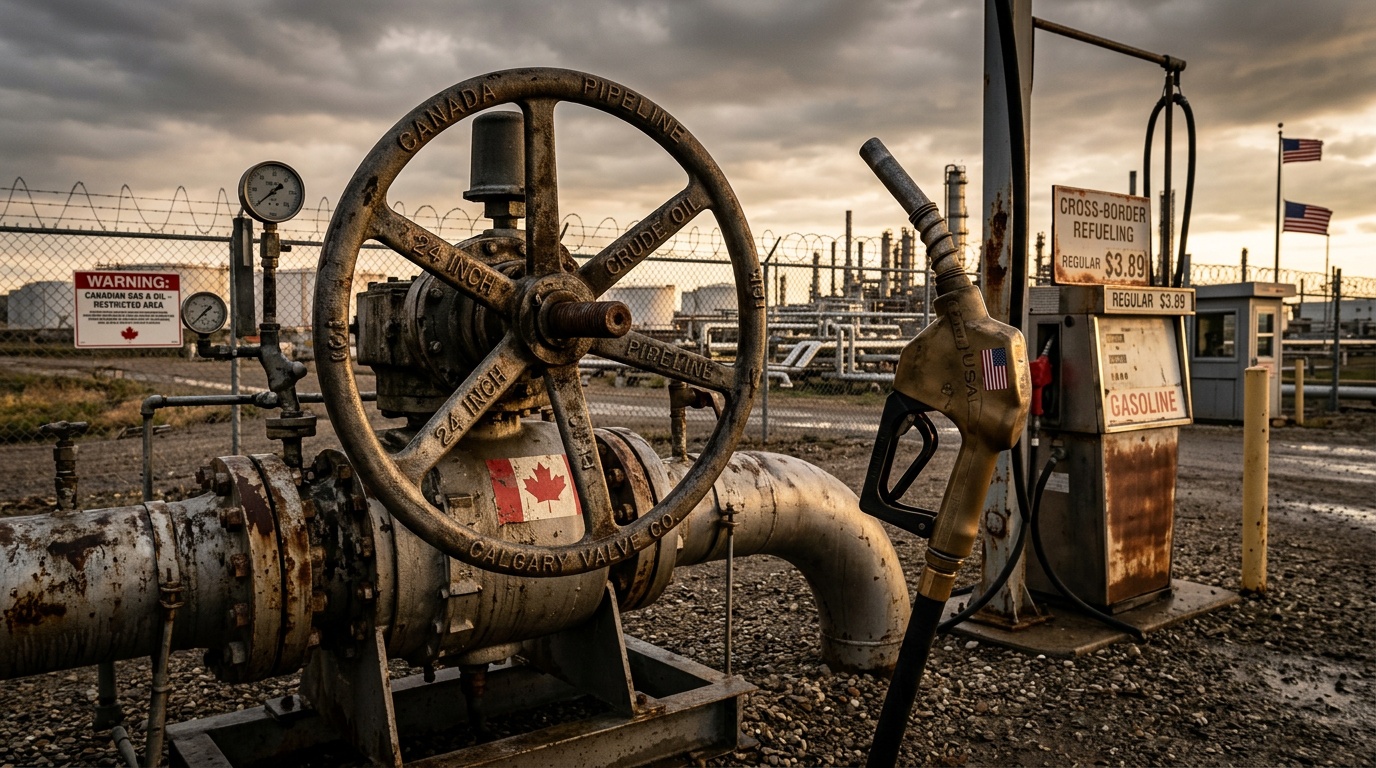
You can see the immediate impact in the energy markets, which have reacted violently to the prolonged military timeline. The United States Oil Fund (USO), which tracks WTI Crude futures, closed 11.15% higher at $137.92 recently, amid a staggering 97.76% year-to-date jump.
Meanwhile, the United States Brent Oil Fund (BNO), tracking Brent Crude, leaped 7.53% to close at $54.12, posting an 89.76% gain for the year. When exchange-traded funds tied to oil are nearly doubling in value, you know the underlying commodity is on a wild ride.
So, the picture is this: a conflict in one region acts like a sudden tax on the entire world. It hits energy prices first, then ripples out through shipping, farming, and finally to the dinner table. For some countries, it's a major headache. For others, it's a full-blown crisis. And according to the IMF, no matter which path the conflict takes from here, the destination looks the same: higher prices and slower growth for everyone.