So, here we are in week six. The conflict that kicked off in late February is still churning, and Monday brought another mixed bag of escalations, targeted killings, and the faint glimmer of diplomatic movement. It's the kind of day where a threat to wipe out infrastructure sits right next to talk of a truce.
Let's start with the saber-rattling. On Sunday, President Donald Trump took to Truth Social with a not-so-subtle ultimatum. He threatened to destroy Iran's energy and civilian infrastructure if the country doesn't reopen the Strait of Hormuz by his deadline of Tuesday. "Severe consequences" were promised. Earlier, he also confirmed the successful rescue of a second crew member from a U.S. F-15E fighter jet that Iran shot down.
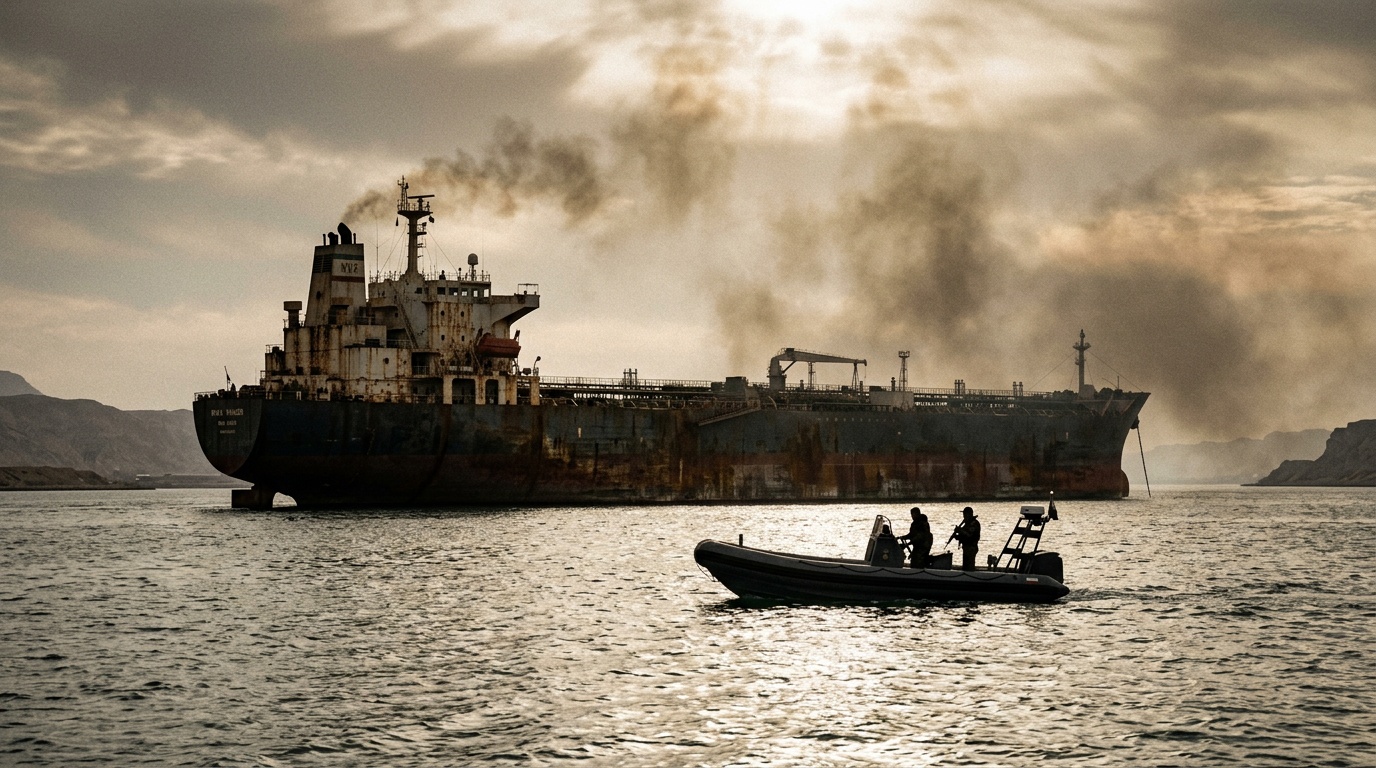
Iran's response, via its Islamic Revolutionary Guard Corps (IRGC) Navy, was essentially: don't hold your breath. The force said the strait "will not return to its previous state, especially for the U.S. and Israel," signaling a clear rejection of Trump's demand. They added that they're finalizing operational plans for a "new order" in the Persian Gulf. So, the standoff over the world's most important oil chokepoint continues.
Taking Out the Money Man
Meanwhile, the Israeli Defense Forces (IDF) announced it had taken out a significant financial target. In an airstrike, they killed Mohammad Reza Ashrafi Kahi, who was the head of commerce at the IRGC's Oil Headquarters in Tehran. This wasn't just any bureaucrat. He oversaw oil operations generating billions of dollars annually—money that, according to the IDF, funded Iran's military buildup and supported proxy groups like the Houthis, Hezbollah, and Hamas. It's a strike aimed directly at the financial engine of Iran's regional influence.
A Glimmer of Diplomacy?
Amidst all this, there appears to be some backchannel chatter about hitting the pause button. According to a report from Axios on Sunday, the U.S., Iran, and regional mediators are negotiating a 45-day ceasefire as a potential pathway to ending the war. The talks are reportedly being conducted indirectly through Pakistani, Egyptian, and Turkish mediators, with direct text exchanges happening between U.S. envoy Steve Witkoff and Iran's Foreign Minister Abbas Araghchi. It's a fragile thread, but it's there.
Diplomatic Calls and Drone Strikes
The phone lines were busy, too. Iran's Foreign Minister Seyed Abbas Araghchi spoke with France's Foreign Minister, Jean-Noël Barrot, to discuss the escalating regional tensions and the security and economic fallout from U.S. and Israeli military actions. Both sides, predictably, emphasized concerns over instability and the need for continued diplomatic engagement.
On the ground, the conflict manifested in a more targeted way. Authorities in Fujairah are responding after a drone launched from Iran struck a building belonging to the telecom company Du. No injuries have been reported, and officials are urging the public to rely on official updates.
Iraq's Oil Rush
In a significant development for oil markets, Iraq is moving fast to capitalize on a reported exemption. After Iran reportedly exempted Iraq from transit restrictions in the Strait of Hormuz, Iraq's state oil marketer SOMO has asked its buyers to submit crude oil lifting schedules within 24 hours. The goal is to ensure smooth and stable exports, with Iraq confirming all its loading terminals are fully operational. Of course, the big caveat is that uncertainty remains over tanker movement amid the ongoing regional tensions. It's a logistical scramble with high stakes.
Condemnations and Contingency Plans
Iran also condemned a joint U.S.-Israeli strike from late March on its Khondab heavy water facility. The Atomic Energy Organization of Iran (AEOI) called it a "crime against science and human health" but said its scientific progress would continue. The International Atomic Energy Agency confirmed the plant was hit on March 27 and is now non-operational.
And looking further afield, the ripple effects are prompting action. South Korea, not wanting to be caught short, plans to send special envoys to Saudi Arabia, Oman, and Algeria to secure crude oil supplies. It's also deploying five Korean-flagged vessels to Saudi Arabia as part of efforts to shore up its energy security. When the Strait of Hormuz gets tense, everyone starts making backup plans.
So, to sum up a busy Monday: a key Iranian oil financier is dead, Iraq might get its oil out, everyone's talking about a truce but also making threats and launching drones, and allies are nervously checking their energy supplies. Just another week in a conflict that shows no signs of a clean, easy ending.