When a former Republican congresswoman and the Senate's top Democrat start using the same vocabulary to describe a president, you know something unusual is happening in Washington. Over the Easter weekend, that's exactly what unfolded as critics from both sides of the aisle unleashed a torrent of criticism against President Donald Trump's handling of a rapidly escalating crisis with Iran.
Former Rep. Marjorie Taylor Greene, never one to mince words, took to social media to deliver a blunt assessment. "I know all of you and him and he has gone insane, and all of you are complicit," she wrote, directly addressing Trump and his administration. Her criticism centered on the escalating conflict in the strategically vital Strait of Hormuz. "The Strait is closed because the US and Israel started the unprovoked war against Iran based on the same nuclear lies they've been telling for decades," she accused.
Greene wasn't alone in her alarm. Across the political aisle, the criticism was just as sharp, if not sharper. Sen. Bernie Sanders (I-Vt.) called the president "dangerous and mentally unbalanced" over the Iran situation and urged Congress to step in and end the conflict. House Minority Leader Hakeem Jeffries (D-N.Y.) condemned Trump's Easter message as "disgusting and unhinged," adding, "something is really wrong with this guy."
Senate Majority Leader Chuck Schumer (D-N.Y.) warned that Trump's posts showed him "ranting like an unhinged madman" and threatening potential war crimes. "America deserves better," Schumer stated. Even California Gov. Gavin Newsom's office got in a jab, sarcastically suggesting Trump apply to the International Court at The Hague instead of the Nobel Peace Prize.
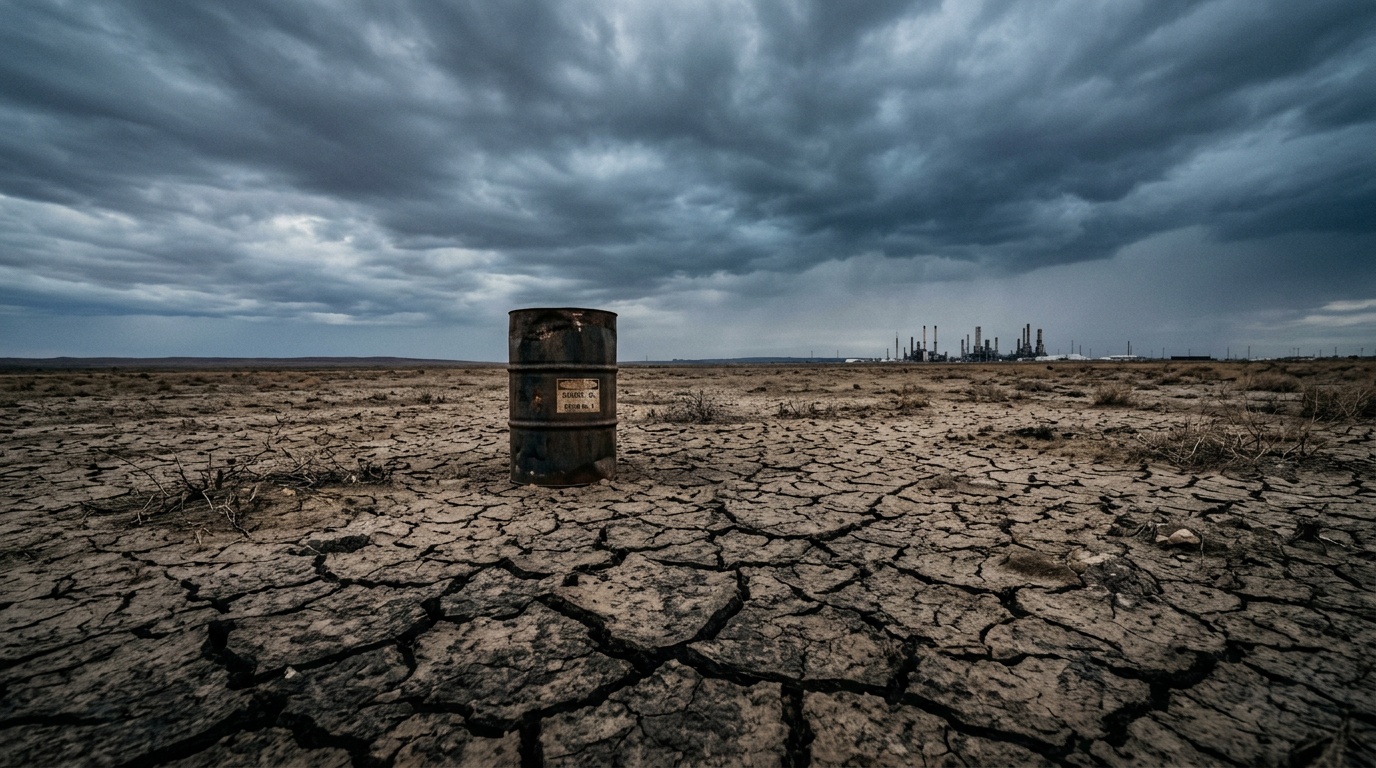
So what sparked this bipartisan firestorm? It all centers on a high-stakes geopolitical gamble. On Saturday, President Trump issued a 48-hour ultimatum to Iran over the Strait of Hormuz. The message was clear: reopen the critical waterway for global oil shipments, or face U.S. strikes on Iranian power plants. He followed up on Easter Sunday, warning of dire consequences if Iran did not comply before the Tuesday deadline.
The ultimatum didn't come out of nowhere. The situation had been deteriorating. Earlier on Friday, Iranian forces shot down a U.S. F-15E fighter jet. This triggered a high-risk rescue mission that managed to recover one service member, though another remained missing. In a further setback, Iranian forces also struck two U.S. Black Hawk helicopters. An A-10 pilot involved in the operations did manage to eject safely.
Despite U.S. airstrikes, reports indicate Iran has retained substantial military capability, including missiles, drones, and underground stockpiles, and continues to pose a threat to the Strait of Hormuz. This sets the stage for a tense countdown. As the clock ticks toward Trump's deadline, the world is watching to see if the rhetoric turns into action, and whether the bipartisan criticism in Washington will have any effect on the Oval Office.