So here's a thing that happened over the weekend: Marjorie Taylor Greene decided to publicly call out President Trump over his Iran policy. Not in a whisper, not in a closed-door meeting, but in a long post on X where she basically said the whole escalating conflict is built on shaky ground.
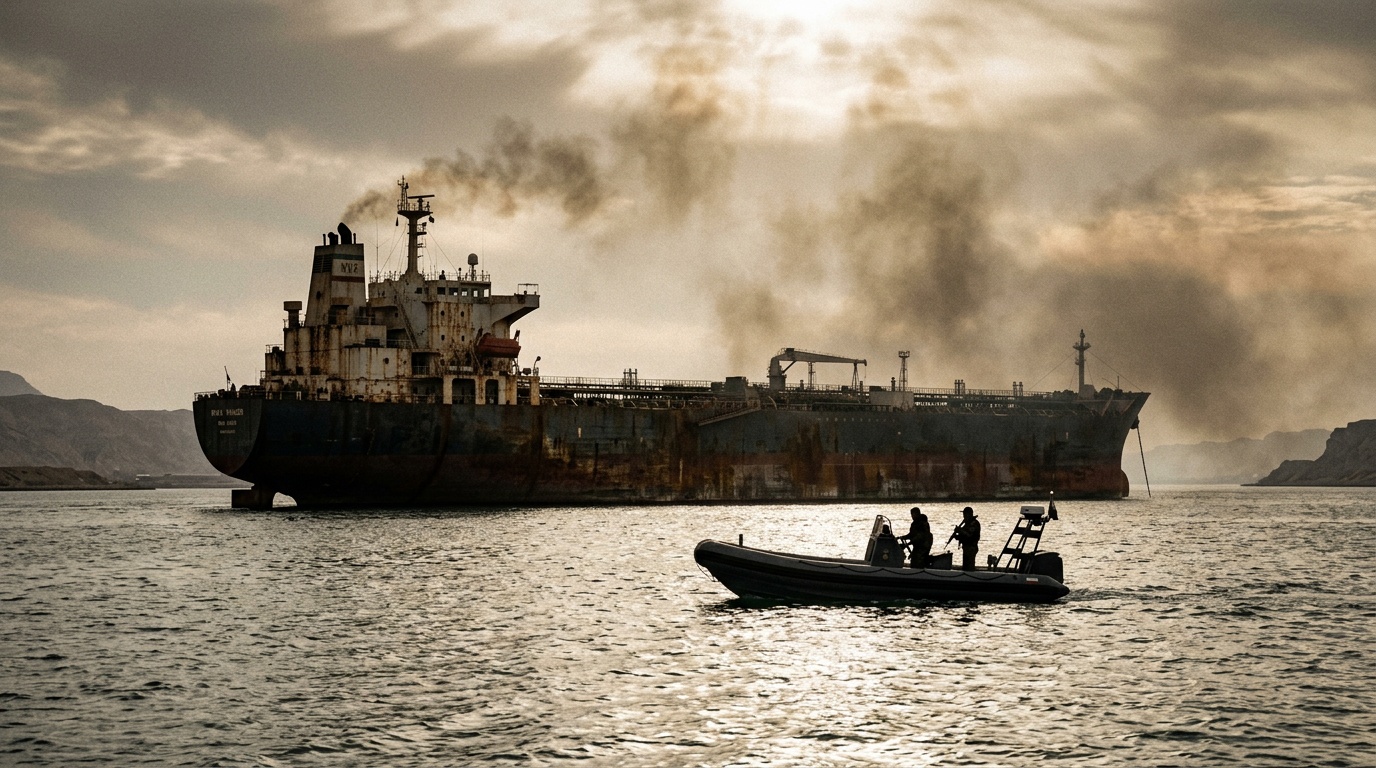
Her main beef? Trump's latest move—a 48-hour ultimatum demanding Iran allow "full transit without threats" through the Strait of Hormuz, backed by threats to strike the country's power grid. "Remember when I gave Iran ten days to MAKE A DEAL or OPEN UP THE HORMUZ STRAIT," Trump wrote. "Time is running out – 48 hours before all Hell will reign (sic) down on them. Glory be to GOD."
Greene isn't buying it. She tied the current shipping disruption directly to U.S. and Israeli actions, saying the strait is shut "because Washington and Jerusalem initiated the fighting." She also dropped this interesting nugget: Israel already has nuclear weapons and doesn't need the U.S. to wage war on its behalf. So what's this really about?
The congresswoman argued Trump's threats against bridges and power plants would punish ordinary Iranians rather than accomplish any liberation he claims to support. She said officials who identify as Christian should seek forgiveness and press the president toward de-escalation. "This is not what voters expected," she added, framing the moment as a moral test for administration officials backing Trump's approach.
Meanwhile, Trump paired his Iran pressure campaign with a domestic economic victory lap. In a separate post, he cited 178,000 jobs added and claimed the trade deficit dropped 55% after tariffs. "Not only were the jobs numbers GREAT yesterday, 178,000 new jobs, but the TRADE DEFICIT was down 55%, the biggest drop in history," he wrote. "THANK YOU MR. TARIFF! All of this and, simultaneously, getting rid of a Nuclear Iran."
It's worth noting that while Greene described the Strait as closed, Iran's public posture suggests something more conditional. Iran's ambassador to the UK, Ali Mousavi, said Tehran would keep working with the International Maritime Organization on safety and crew protection in the Gulf. He suggested some vessels could still pass if they coordinate security steps with Iranian authorities. So maybe not a complete shutdown, but definitely not business as usual.