So here's a dramatic military update that reads like something from an action movie script, except it's real and involves former presidents, fighter jets, and geopolitical tensions. Former President Donald Trump announced on Sunday what he called the successful rescue of the second crew member from an F-15 fighter jet that was shot down over Iran on Friday. His announcement came with characteristic flair: "WE GOT HIM!" and a description of the mission as "one of the most daring Search and Rescue Operations in U.S. History."
Think about the timing here. The shootdown happened less than 48 hours after Trump declared that Tehran's military had been "beaten and completely decimated." That's the kind of statement that tends to escalate things, and then suddenly you have a U.S. officer stranded in hostile territory. Trump made the announcement on Truth Social, revealing that the U.S. military had rescued this "incredible" officer, whom he described as a highly respected colonel.
Now, the details get even more intense. According to Trump, this officer was behind enemy lines in what he called the treacherous mountains of Iran. He was being hunted by enemies who were, in Trump's words, "getting closer by the hour." The operation to retrieve him involved the U.S. Military sending dozens of aircraft armed with what Trump described as "the most lethal weapons in the world." The officer sustained injuries but is now safe, which is the important part.
Here's how it actually went down, according to reporting from three U.S. officials: a specialized commando unit, backed by heavy air cover, conducted both rescue operations. All U.S. forces have since exited Iranian territory. Trump added that the officer "was never truly alone," as his Secretary of War, Chairman of the Joint Chiefs of Staff, and fellow warfighters monitored the operation around the clock. It's the kind of round-the-clock situation room drama that makes for good television.
Meanwhile, on the other side, the Islamic Revolutionary Guard Corps (IRGC) was actively racing to locate the missing U.S. officer in southwest Iran. U.S. Air Force jets struck Iranian forces to prevent them from reaching the crew member's location. During Friday's operation, Iran struck two U.S. Black Hawk helicopters involved in the mission, wounding crew members, though the aircraft remained in the air. So there was actual combat happening during this rescue.
Trump's takeaway from all this? The successful operation, completed without any American casualties, proved "overwhelming Air Dominance and Superiority over the Iranian skies." That's a bold claim about air power in another country's airspace.
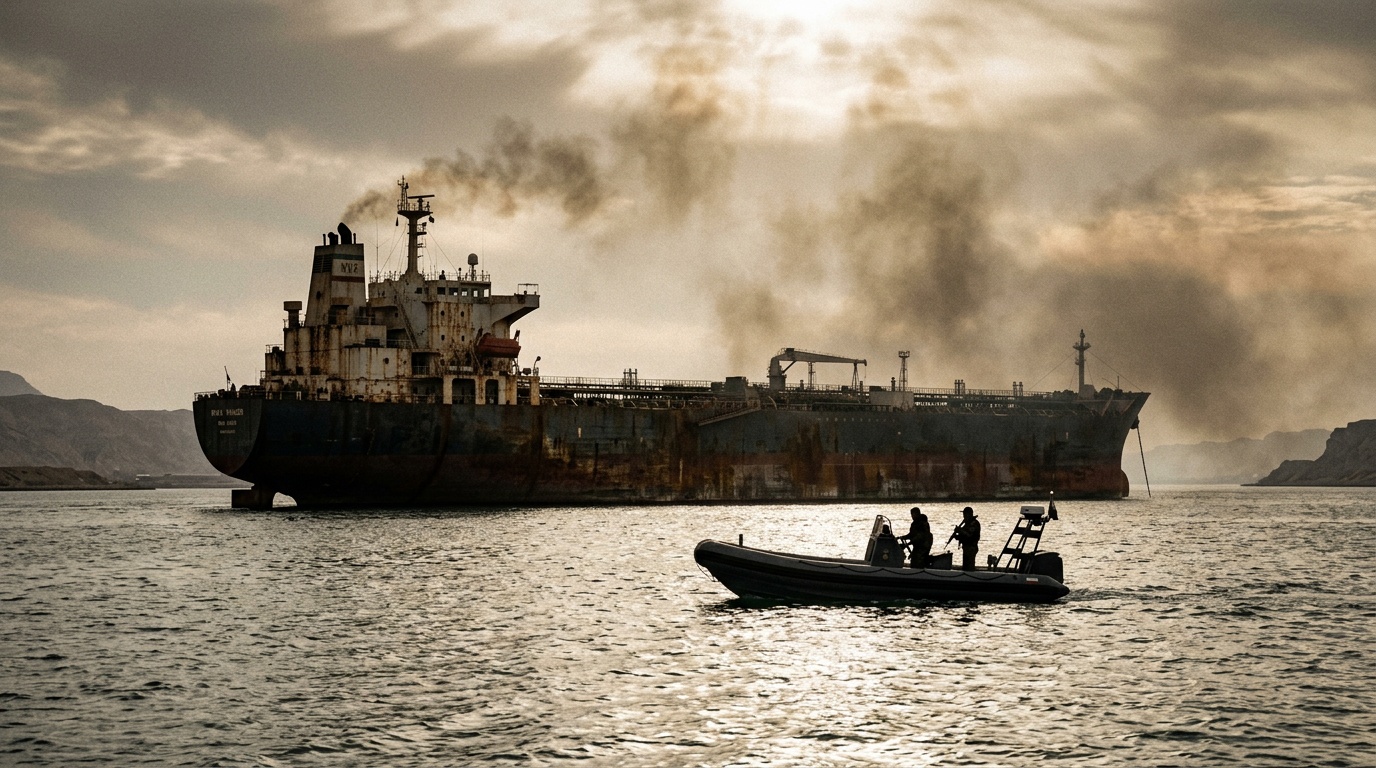
This whole incident didn't happen in a vacuum. It comes after Trump issued a 48-hour ultimatum to Iran, warning of severe consequences if the Strait of Hormuz is not opened. The rescue operation also took place amid criticism of Trump's proposed budget, which prioritizes foreign wars over domestic needs. So you've got military action, geopolitical pressure, and domestic policy debates all intersecting in one dramatic weekend.
What's interesting here is how this plays out narratively. You have a former president announcing military operations, making claims about air dominance, and framing this as a historic achievement. The reality involves injured crew members, damaged aircraft, and ongoing tensions with Iran. It's the kind of situation where the story being told matters as much as what actually happened on the ground.