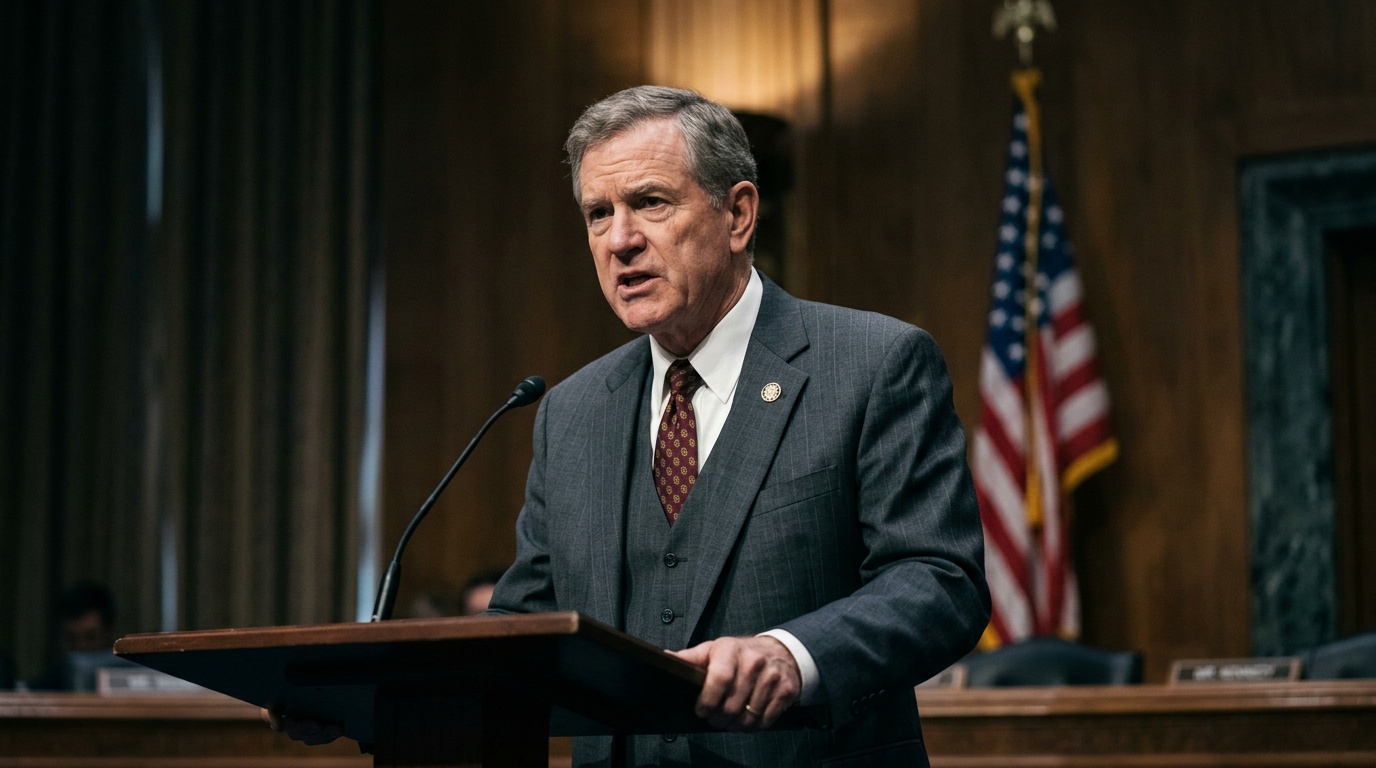
NATO Secretary General Mark Rutte is packing his bags for Washington, D.C. He's heading over from April 8 for a series of high-level meetings and events. Think of it as a diplomatic visit with the volume turned way up.
The trip comes at a pretty tense moment. Relations between the United States and its European allies have been getting strained, thanks to ongoing debates about defense cooperation and the whole messy situation with Iran. It's the kind of backdrop that makes for interesting, if not exactly relaxing, conversations.
According to official announcements, Rutte's schedule includes sit-downs with President Donald Trump, Secretary of State Marco Rubio, and Defense Secretary Pete Hegseth. Reports suggest the talks will cover the usual alliance business—unity, military commitments, and the general state of geopolitical tensions—but with a bit more urgency than usual.
High-Stakes Diplomatic Engagement
Rutte kicks things off on Wednesday with meetings at the White House and the State Department. The goal here is to address some of the friction that's been building within NATO, particularly around the classic issue of burden-sharing. Who's paying for what, and is it enough?
This visit isn't happening in a vacuum. It follows recent criticism from Trump aimed at NATO allies for what he sees as limited support in the Iran conflict. He's been pretty vocal about questioning the alliance's overall effectiveness and whether European partners are chipping in their fair share financially.
Trump's NATO Criticism Intensifies
Trump has recently suggested that pulling the United States out of NATO is still "beyond reconsideration." That kind of talk tends to make other member countries a bit nervous about the alliance's future.
He's been doubling down on this skepticism. In an interview with The Telegraph, Trump said, "I was never swayed by NATO. I always knew they were a paper tiger." He also expressed disappointment in how the alliance has responded to recent military developments.
In comments to Politico, he was similarly blunt: "I don't have any thoughts on NATO. I'm disappointed in them." He added, "I have no frustration. I couldn't care less. I didn't need them." It's not exactly the ringing endorsement you'd hope for from the leader of NATO's most powerful member.
Global Concerns And Strategic Pressure
Unsurprisingly, Trump's comments have caused some unease among NATO allies, raising big questions about the U.S. commitment to the whole project. Finnish President Alexander Stubb, for instance, has already held discussions with Trump to try and reinforce cooperation and stability.
The Iran conflict has added another layer of strain on transatlantic ties. The closure of the Strait of Hormuz has thrown a wrench into global oil flows and generally heightened geopolitical risks, making coordination more important—and more difficult.
Interestingly, Rutte has maintained a publicly supportive stance toward Trump even as criticism grows within Europe. In a March interview with CBS News, he praised Trump's efforts to "make the whole world safe." It's a diplomatic approach he'll likely bring to the table in Washington.
Upcoming Public And Private Forums
The diplomatic mission doesn't end with government meetings. On April 9, Rutte will deliver remarks and join a discussion at the Ronald Reagan Presidential Foundation Institute. Then, from April 10 to April 12, he'll shift gears to attend the Bilderberg Meeting alongside other global leaders.
Markets, as they often do, are keeping a close eye on these geopolitical developments. When major allies have tense conversations about security and commitments, it tends to get investors' attention.