So here's the situation: over the weekend, former President Donald Trump took to his social media platform and basically put a ticking clock on a major geopolitical flashpoint. He gave Iran 48 hours to, in his words, "OPEN UP THE HORMUZ STRAIT," or else face severe consequences, specifically U.S. strikes on its power plants. It's the kind of ultimatum that makes commodity traders and national security advisors alike reach for the antacid.
This isn't coming out of nowhere. Trump referenced a previous 10-day deadline he'd set, saying the clock had now shifted to a much tighter two-day window. "Remember when I gave Iran ten days to MAKE A DEAL or OPEN UP THE HORMUZ STRAIT. Time is running out – 48 hours before all Hell will reign (sic) down on them. Glory be to GOD," he wrote.
Meanwhile, from the other side of the table, Iran's messaging has been... different. The country's ambassador to the U.K., Ali Mousavi, has been talking about maritime safety and conditional transit. In an interview published by China's Xinhua, he suggested that vessels not connected to Iran's enemies could still pass through the Gulf if they coordinate on security and safety steps with Iranian authorities. He emphasized that Tehran would keep working with the International Maritime Organization on crew protection. So, it's less "the strait is closed" and more "here are the new rules of the road, especially if you're our adversary." This posture of conditional access directly conflicts with Trump's demand for immediate, unimpeded transit for everyone.
Why Everyone Is Watching This Narrow Strip of Water
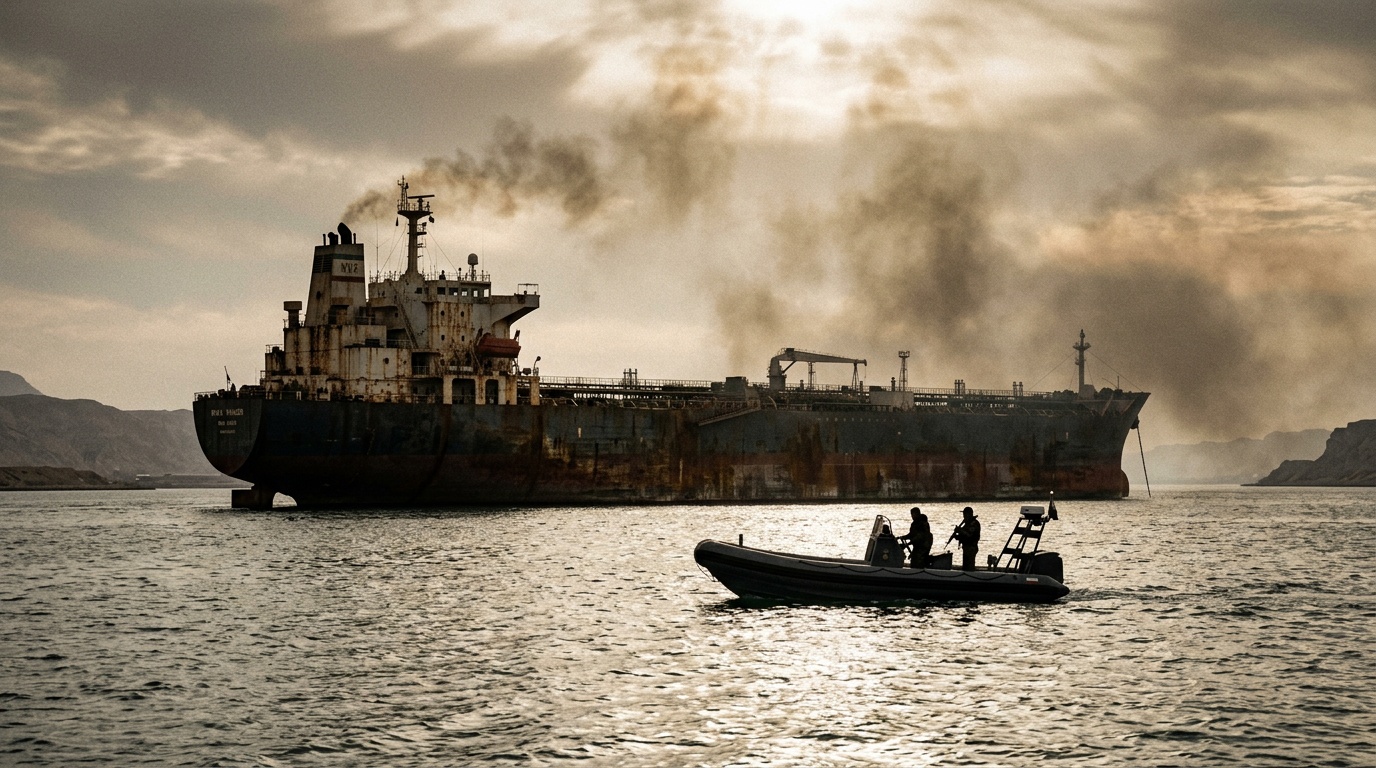
Let's talk about why this matters to anyone who isn't directly involved in the standoff. The Strait of Hormuz isn't just any waterway. It's a narrow maritime chokepoint that handles about one-fifth of the entire world's oil and liquefied natural gas flows. If traffic there gets disrupted—whether by an official closure, military action, or just ships being too scared to sail through—the ripple effects on global energy prices would be immediate and significant. Reports already indicate that shipping has been deterred by fears of Iranian attacks amid the ongoing U.S.-Israeli conflict.
Trump's threat is explicitly aimed at Iran's electricity infrastructure, promising to strike power plants, starting with the largest, if passage isn't "fully" opened. This isn't his first move in the region; the ultimatum followed a strike on an Iranian nuclear facility and builds on prior actions like strikes on Iran's Kharg Island, which manages about 90% of the country's oil exports. The message is clear: energy logistics are a primary pressure point.
The Coalition Play and the Persistent Threat
So, what's the backup plan if diplomacy fails? Trump has previously talked about building a coalition of nations "affected" by any closure to ensure safe passage. This potential group includes heavy hitters like China, France, Japan, South Korea, and the U.K. The idea is to present a united front to counter Iranian capabilities.
But here's the tricky part: even if Iran's conventional forces are weakened, the threat to shipping isn't gone. Low-cost, asymmetric attacks using drones, mines, or missiles could still pose a serious risk to any vessel trying to pass through. Trump himself has warned about this lingering danger. So, securing the strait isn't just about showing naval force; it's about defending against a swarm of smaller, harder-to-stop threats.
Reading Iran's Response
Is Iran's focus on maritime security rules a sign of weakness, or just a different kind of strategy? Iranian media have portrayed the channel as generally usable for commercial traffic, just with new conditions for certain ships. This creates a narrative gap: Trump is talking about an imminent, dramatic showdown, while Iran is talking about administrative coordination for safety. It's a classic diplomatic maneuver—reframing a confrontation about control into a discussion about procedure.
This contrast extends to Trump's own statements from earlier in the week. In a meeting with Irish Taoiseach Micheál Martin, he floated the idea of winding down the war while still rejecting a ceasefire, suggesting the U.S. might step back. The weekend's ultimatum represents a sharp pivot back to escalation, highlighting the volatile and unpredictable nature of the current tensions.
The Surprising Domestic Link: Tariffs and Jobs
In a move that ties the international drama directly to his domestic political narrative, Trump connected his Iran pressure campaign to economic claims. In another post on Saturday, he credited tariffs for a historic improvement in the trade deficit and paired that message with his push against Iran.
"Not only were the jobs numbers GREAT yesterday, 178,000 new jobs, but the TRADE DEFICIT was down 55%, the biggest drop in history. THANK YOU MR. TARIFF! All of this and, simultaneously, getting rid of a Nuclear Iran," he wrote.
This is a fascinating bit of political framing. He's positioning tough trade policy and tough foreign policy as two sides of the same coin—both about asserting American strength and getting better deals. Whether you buy the economic causality or not, it's a clear attempt to make a geopolitical stand in the Middle East resonate with voters worried about jobs and the economy at home.
As the 48-hour clock ticks down, the world is left watching a narrow strait, weighing the rhetoric of an ultimatum against the nuanced language of maritime security, and wondering if the next move will be in the boardrooms of shipping companies or on the decks of warships.