Here's a geopolitical puzzle for you: What's more powerful than a nuclear weapon? According to some analysts, it's control of a 21-mile-wide strip of water.
Fresh intelligence reports indicate Iran is unlikely to reopen the Strait of Hormuz—that critical waterway where roughly one-fifth of the world's oil trade passes through—anytime soon. The country's control over the strait remains its most powerful bargaining tool against the U.S., according to sources familiar with the matter.
Think about it this way: Iran has discovered it can move global markets without firing a single nuclear warhead. "Iran has tasted its power and leverage … it won't soon give it up," one source familiar with the assessments said.
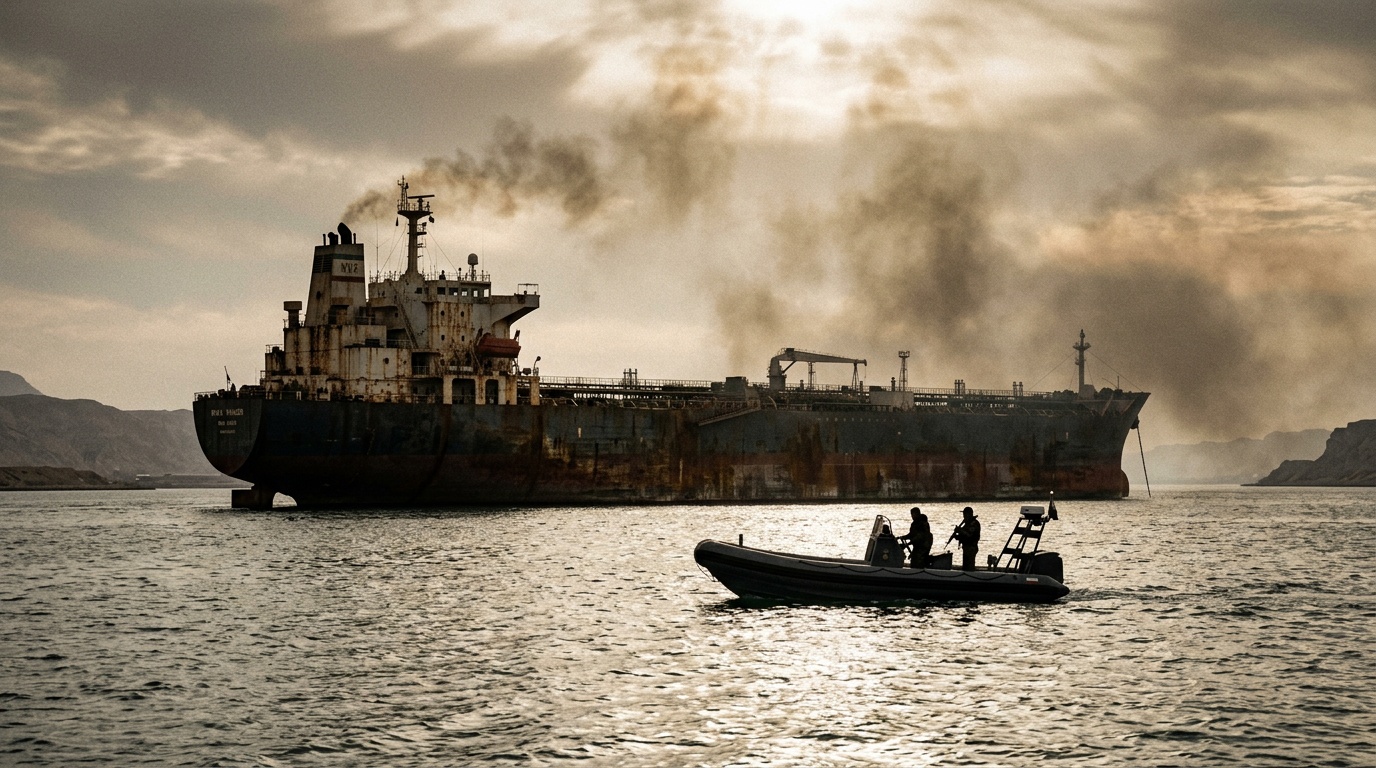
And they're not being subtle about it. Tehran's actions—including attacks on vessels, mines, and threats to commercial shipping—have made transit increasingly dangerous and costly. That's pushed oil prices higher and raised inflation concerns, adding pressure on global economies.
"Its ability to drive world energy markets … is much more potent than even a nuclear weapon," Ali Vaez told Reuters. When you put it that way, the calculus changes dramatically. Why bother with expensive, controversial nuclear programs when you can achieve similar geopolitical effects by controlling the world's oil spigot?
But here's the tricky part: What do you do about it? Experts caution that reopening the narrow strait by force would be difficult. At just 21 miles wide at its narrowest point, with tight shipping lanes, vessels remain sitting ducks for drones and missile strikes.
"All it takes to disrupt traffic … is one or two drones," Vaez added. Imagine trying to secure a highway where someone could throw a single rock from the shoulder and cause a 100-car pileup. That's essentially the military challenge here.
So Iran isn't just playing a short game. Former CIA Director Bill Burns noted that Iran is likely to use control of the strait to secure long-term concessions. "That… sets up a really difficult negotiation," he said, pointing to potential demands for security guarantees and economic benefits.
The market has already taken notice. Oil prices climbed significantly as this situation developed, reflecting the premium that comes with geopolitical uncertainty in the world's most important oil transit route.
What we're watching is a classic case of asymmetric warfare—a relatively small player using geography and timing to punch far above its weight class. Iran has found the world's pressure point, and they're leaning on it. The question now is how long they can maintain that pressure, and what price the global economy will pay while they do.