So here's a thing that happened: Iran shot down a U.S. F-15E fighter jet on Friday. This was less than two days after President Donald Trump declared that Tehran's military had been, in his words, "beaten and completely decimated."
It's one of those moments where the facts on the ground have a way of commenting on the statements from the podium. The jet was downed amid escalating clashes, and according to reports, U.S. forces immediately launched a high-risk rescue mission for the two service members on board. One has been recovered; the other is still missing.
The operation itself faced further danger, with Iranian forces striking two Black Hawk helicopters involved in the rescue. In a separate incident, an A-10 attack aircraft pilot had to safely eject over neighboring airspace. Analysts are calling this one of the most serious setbacks for U.S. forces in decades.
The White House did not immediately respond to a request for comment.
The Capabilities Gap
Here's the part that makes the "completely decimated" claim look a bit optimistic. Despite the U.S. bombing campaign, Iran is still showing it has plenty of fight left. Officials estimate roughly half of its ballistic missile launchers are still intact. It also has thousands of one-way attack drones and substantial underground stockpiles.
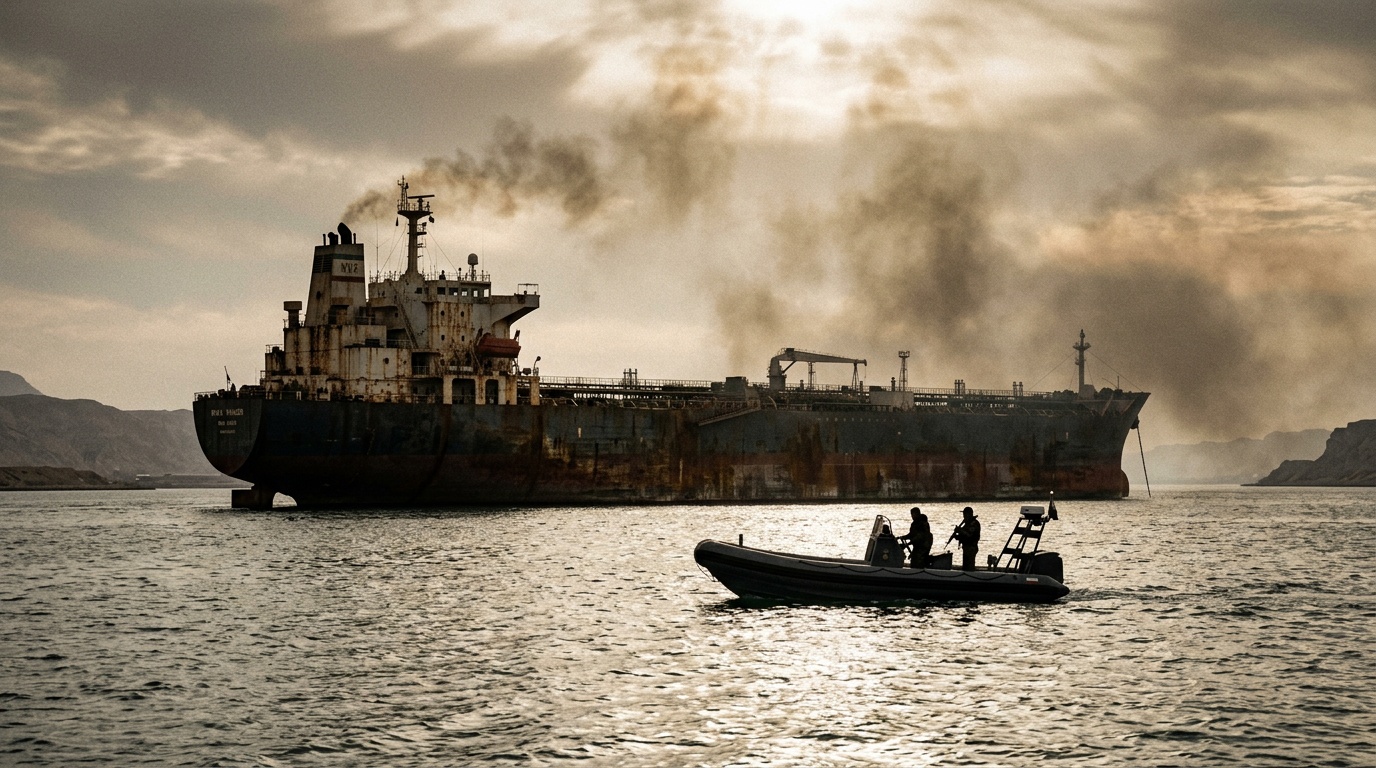
Since Trump's address earlier this week, Iran hasn't been lying low. It has launched dozens of ballistic missiles and more than 150 drones targeting U.S. positions and allies across the region. It also retains the ability to threaten critical shipping lanes like the Strait of Hormuz, which is a major chokepoint for global oil shipments.
Narrative vs. Reality
This incident puts a pretty big question mark next to the administration's assertion of overwhelming air dominance. If the other side can still shoot down your advanced fighter jets, the word "dominance" might need a recalibration.
The situation suggests the conflict could drag on, and it's revealing some cracks in the coalition. U.S. allies aren't exactly rushing to get more involved. Several NATO members are reportedly limiting access to their bases and airspace, showing a clear reluctance to dive deeper into the fray.
As the war enters its second month, there's a growing sense that the gap between what Washington is saying and what's actually happening on the battlefield is getting wider. It's a classic case of the map not matching the territory.