Here's a fun fact to bring up at your next dinner party: according to some lawmakers, the average nurse in the United States pays a higher tax rate than Mark Zuckerberg (META), Elon Musk (TSLA), Warren Buffett, or Mike Bloomberg.
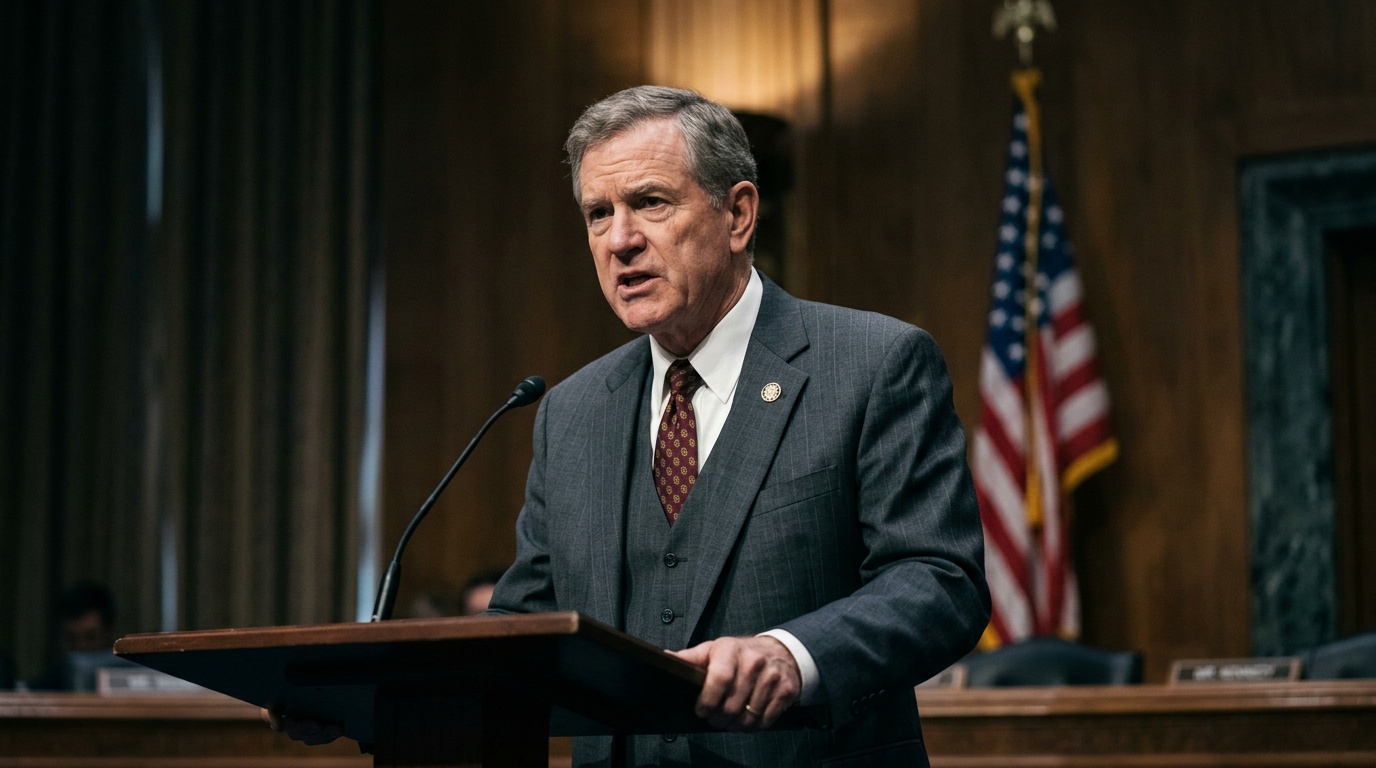
That's the claim from Representative Pramila Jayapal (D-Wash.), who took to social media this week to criticize the current tax system. She and Senator Elizabeth Warren (D-Mass.) are now planning to reintroduce the Ultra-Millionaire Tax Act to, in their words, fix the problem.
The proposed legislation would apply a 2% annual tax on fortunes above $50 million, plus a 1% surcharge for a total 3% annual hit. It's aimed squarely at the richest 0.15% of U.S. households—about 260,000 of them. The idea is to level the playing field and narrow the racial wealth gap by making the ultra-wealthy pay more.
And the numbers are big. A new analysis suggests the bill could generate $6.2 trillion in revenue over the next decade. That's more than double the estimate from when the bill was first introduced five years ago. Supporters say that money could fund things like universal child care, free community college, and Medicare expansion—all without raising taxes on 99.85% of American households.
It's part of a growing political movement focused on wealth disparity. Washington state, for example, recently signed its own "Millionaires' Tax" into law, taxing incomes above $1 million to fund free school meals and expanded tax credits. And earlier this year, Senator Bernie Sanders (I-VT) and Representative Ro Khanna (D-Calif.) introduced the Make Billionaires Pay Their Fair Share Act, which proposes a 5% wealth tax on U.S. billionaires. Their plan could fund $3,000 payments to millions of Americans.
But not everyone is buying the argument. JPMorgan Chase CEO Jamie Dimon (JPM) has publicly expressed confusion over what people mean when they say billionaires aren't paying their "fair share." He argues that higher taxes alone won't solve underlying issues and that the focus should be on reforming policy gaps and using government funds more effectively.
Dimon also warned about a growing trend of migration from high-cost states like California and New York to places like Nevada and Florida, saying it's hurting major cities. It's a reminder that the debate over taxing the wealthy isn't just about fairness—it's also about economic geography and where people (and their money) decide to live.
So, will your nurse soon pay a lower tax rate than Mark Zuckerberg? That's the question lawmakers are trying to answer. And with trillions of dollars potentially on the line, it's a debate that's only getting louder.