Here's a geopolitical puzzle with direct consequences for your gas tank and portfolio: the United Nations is trying to secure the world's most important oil shipping lane, but one of the world's biggest powers is threatening to blow up the plan.
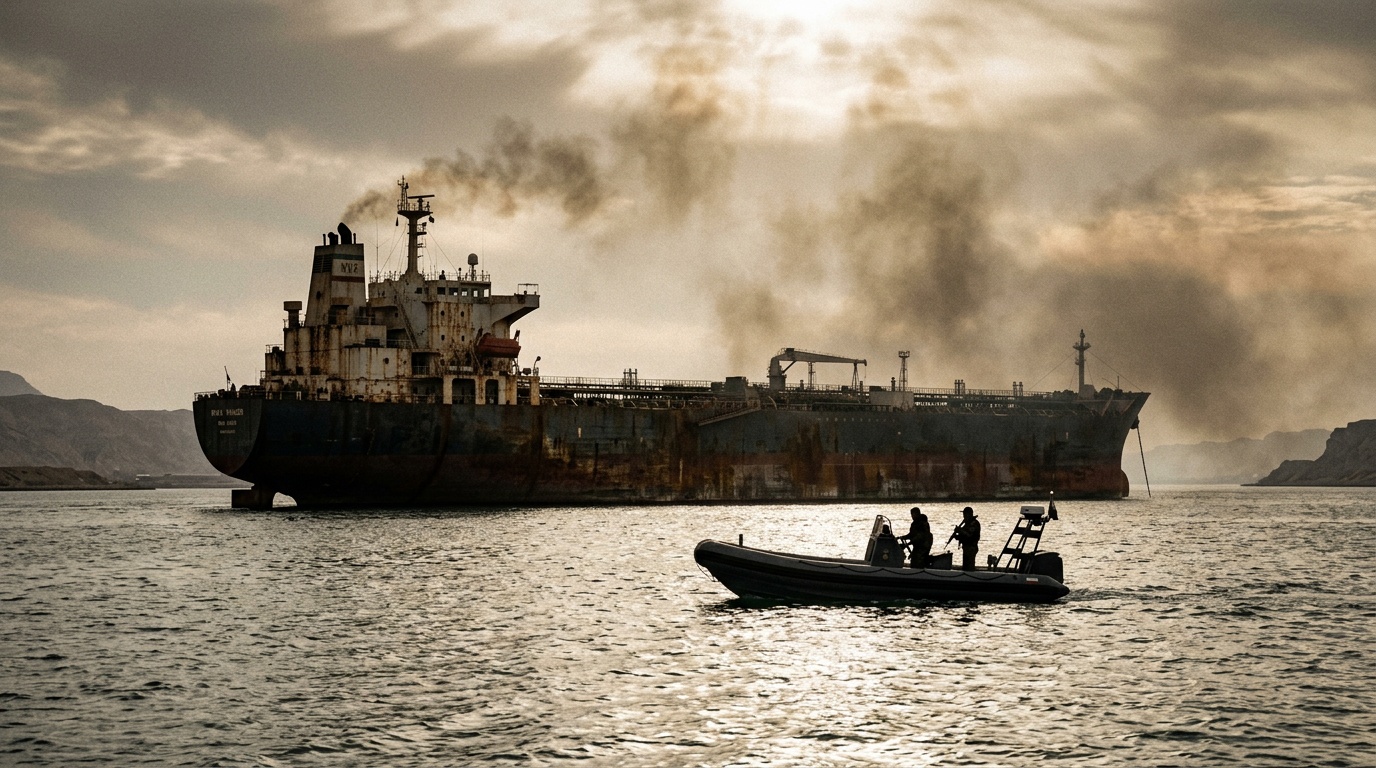
The UN Security Council is set to vote Friday on a resolution, drafted by Bahrain, intended to reopen the Strait of Hormuz. The crucial waterway has been effectively closed to traffic for over a month. The draft text authorizes "all defensive means necessary" to protect ships for at least six months.
China, however, has made its resistance crystal clear. Speaking to the Security Council on Thursday, China's UN envoy Fu Cong explicitly opposed the authorization of force. He warned that the measure risks "legitimizing the unlawful and indiscriminate use of force, which would inevitably lead to further escalation of the situation and lead to serious consequences."
That's diplomatic language for "this could get very messy, very fast."
The High-Stakes Vote
Bahrain, which currently chairs the Security Council, has been trying to craft a text that can pass. They've already dropped an explicit reference to binding enforcement in an attempt to appease objecting nations like Russia and China.
To succeed, the resolution needs at least nine favorable votes and, critically, no vetoes from the five permanent members: the U.S., Russia, China, Britain, and France. China's strong opposition puts that second requirement in serious jeopardy.
"We look forward to a unified position from this esteemed Council during the vote that will take place on the draft resolution tomorrow, God willing," Bahrain's Foreign Minister Abdullatif bin Rashid Al Zayani stated. He added that Iran's attempts to control navigation required a "decisive response."
Why Your Portfolio Cares
This isn't just a diplomatic spat; it's a direct driver of market volatility. The closure of the strait and the surrounding conflict—which ignited when the U.S. and Israel struck Iran at the end of February—has triggered a massive surge in global oil prices.
At the last check, Brent Crude futures were 7.99% higher at $109.24. West Texas Intermediate (WTI) was 0.40% lower at $111.54.
The move is even more dramatic in popular oil ETFs. The WTI tracker, United States Oil Fund, LP (USO), was up 68.30% over the past month and 97.76% year-to-date. The Brent tracker, United States Brent Oil Fund, LP (BNO), advanced 55.47% over the month and 89.76% year-to-date.
Complicating the international effort, U.S. President Donald Trump vowed on Wednesday to continue military attacks. His remarks, which omitted a clear strategy for reopening the strait, have further unsettled oil markets and raised widespread concerns about Washington's long-term role in ensuring safe maritime passage for shippers.
So, as diplomats prepare for a tense Friday vote, traders are watching two things: whether the world can agree on a plan to secure a tiny strip of water that carries about a fifth of the world's oil, and whether China will use its veto power to stop that plan in its tracks. The answer will ripple through energy markets and beyond.