So, oil prices decided to go for a jog on Thursday. A very, very fast jog. The kind of sprint that happens when geopolitical tensions flare up and everyone starts worrying about the world's supply of crude getting pinched.
The immediate catalyst? Escalating rhetoric between the U.S. and Iran. This pushed U.S. West Texas Intermediate crude futures for May up a whopping 11.93% to settle at $112.06. Brent crude, the global benchmark, wasn't far behind, climbing 7.99% to $109.24. For those keeping score at home, U.S. crude is now up about 95% since the start of the year—knocking on the door of a 100% gain.
Refined products joined the party. RBOB gasoline futures rose over 6%, and ULSD heating oil jumped more than 9%. Natural gas, however, was the odd one out, dipping slightly.
Meanwhile, the rest of the financial world was… pretty calm? U.S. stock futures were essentially flat. The dollar barely budged. It was a strangely isolated panic, concentrated entirely in the energy complex.
Jim Cramer Spots a Troubling Historical Echo
Into this volatile mix stepped CNBC's Jim Cramer with a sobering history lesson. He pointed out that these kinds of parabolic moves in oil have a nasty habit of coinciding with serious downturns in the stock market.
"Oil up 87% for the year… will be hard to contain this decline now that the president gave us a mind-boggling misdirection play," Cramer said. He then delivered the punchline: "We don’t have any instances of oil being up 100% and the market NOT being down 20%. So here we go again…"
It's the financial equivalent of seeing a specific cloud formation and knowing a storm is coming. The pattern has held before, and Cramer is flagging that the conditions are aligning once more.
The Geopolitical Kindling: Trump, Iran, and the Strait of Hormuz
Cramer's comments came on the heels of a national address by President Donald Trump. On Wednesday evening, Trump warned that the U.S. could ramp up military action against Iran in the coming weeks, dashing hopes for a quick de-escalation.
He squarely blamed the Iranian regime for the surge in oil prices, citing what he called "deranged terror attacks" on commercial shipping and regional neighbors. Trump stated the U.S. would respond "extremely hard" if tensions continue, while also asserting that any conflict would be short and that diplomatic channels remain open. It was a classic mix of threat and off-ramp, but the market focused heavily on the threat part.
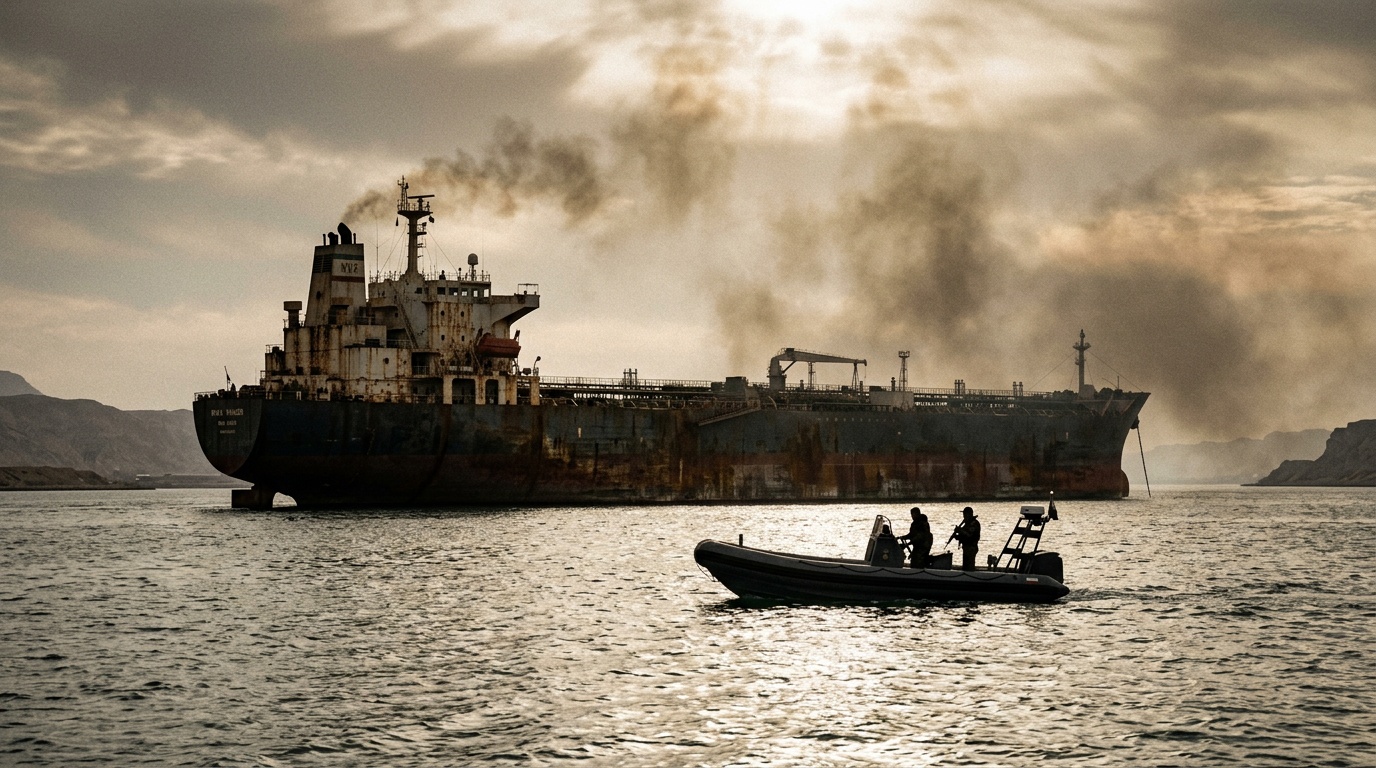
The real nerve center for all this anxiety is a narrow strip of water: the Strait of Hormuz. This is the passage through which about a fifth of the world's oil supply flows. The fear is that a full-blown conflict could severely disrupt or even block this artery, creating an immediate global supply shock.
The concern is palpable enough that the United Kingdom convened foreign ministers from 40 nations to discuss how to secure and reopen the strait. UK Foreign Secretary Yvette Cooper accused Tehran of "recklessness" that undermines "global economic security."
So, to recap: Oil prices are shooting higher on fears that a key shipping lane could get messed with. A prominent market voice is saying that when oil rallies this hard, stocks tend to get crushed. And the geopolitical situation that sparked it all shows little sign of cooling down. Investors are left to watch the oil ticker and wonder if history is, indeed, about to repeat itself.