So, you thought maybe the President's big prime-time address would be a chance to de-escalate the situation with Iran? Think again. Instead of an off-ramp, the speech outlined an intensification, spooking oil markets and sending travel stocks into a tailspin.
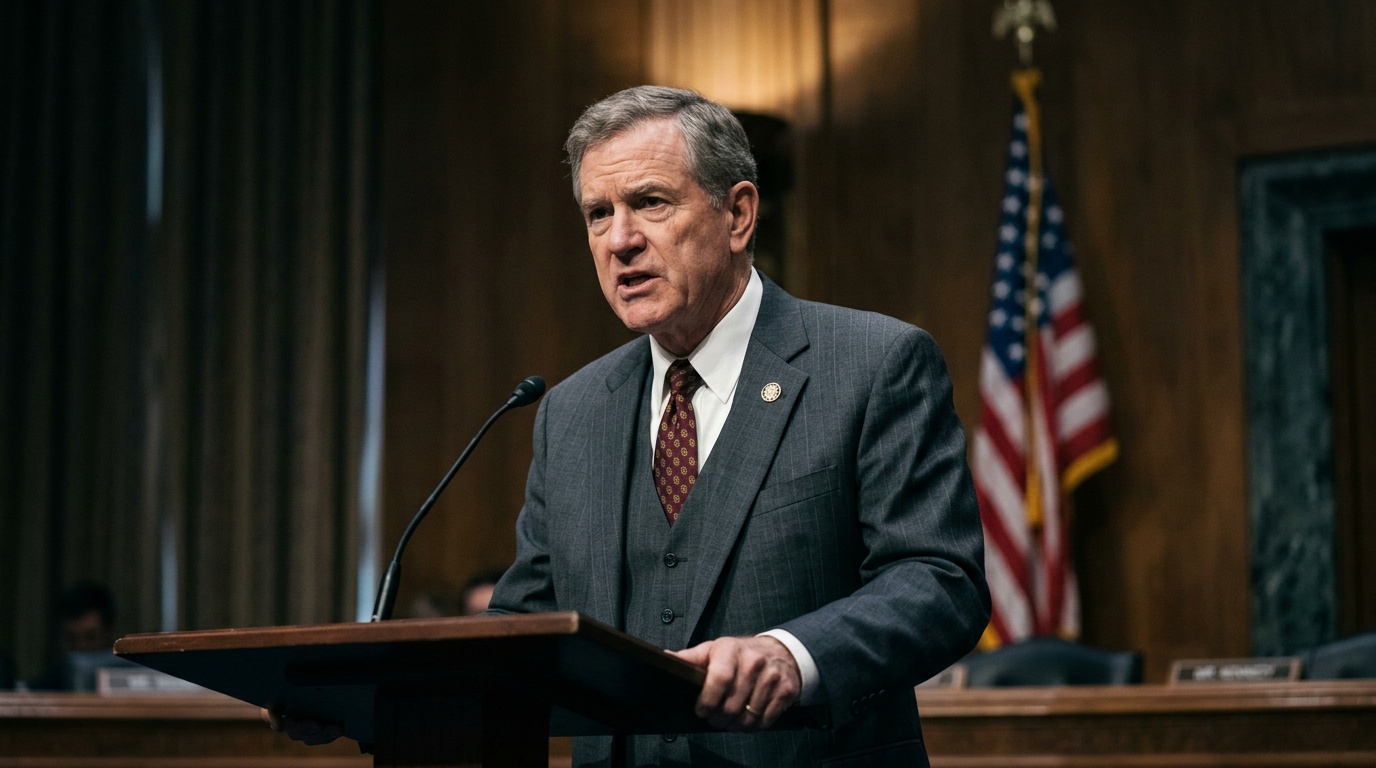
President Donald Trump delivered his first nationally televised address on the Iran conflict, and instead of offering an off-ramp, he escalated.
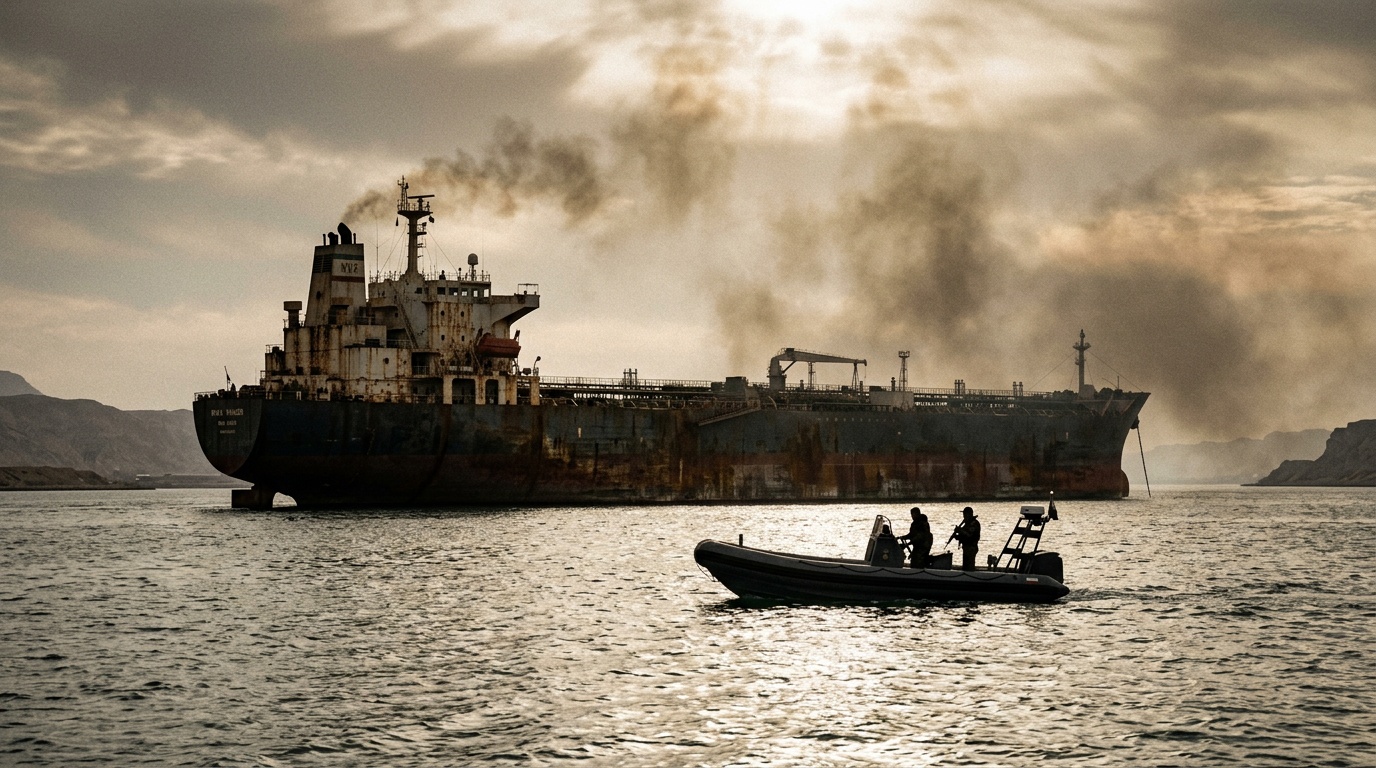
He threatened to hit Iranian power plants and water desalination facilities “extremely hard” within two to three weeks, reiterated his April 6 deadline for the Strait of Hormuz to reopen, and went further.
“Iran’s ‘New Regime President’ is asking the United States for a Ceasefire… Until then, we are blasting Iran into oblivion or, as they say, back to the Stone Ages!!!,” Trump wrote on social media Wednesday.
WTI crude – as tracked by the United States Oil Fund (USO) – surged 9% to $110 a barrel Thursday morning, and the stocks most exposed to jet fuel, diesel, and consumer spending are leading the selloff.
What Did Trump Actually Say — And Why Did Oil React?
Here's the funny thing: oil actually fell earlier this week. Traders were betting that the prime-time address would be the moment things started to cool down. It was the opposite.
The speech contained no plan for reopening the Strait.
Instead, the president outlined a 2–3 week intensification of the air campaign, threatened to destroy Iran’s electricity generating plants and water desalination facilities if no deal emerges.
Dennis DeBusschere, portfolio strategist at 22V Research, said the implications of Trump’s Hormuz handoff were stark. “Just pulling out of the gulf hands over some control of U.S. oil and gasoline prices to other countries, not least Iran,” DeBusschere said.
According to DeBusschere, that move amounts to ceding pricing power to actors with interests that directly diverge from Washington’s — and he described the rationale for such a war strategy as mystifying at a moment when gasoline prices are already a growing political liability.
Jacob Funk Kirkegaard, analyst at 22V Research, said the address failed at the one task it needed to accomplish.
According to Kirkegaard, Trump prepared his off-ramp from the conflict and then inexplicably declined to take it — opting instead to announce another 2–3 weeks of intensified bombing at a moment when high-value targets have already become fewer in number.
“Continuing the war with a more or less unchanged campaign strategy will merely increase the gradually building economic pressures on the U.S. and global economy,” Kirkegaard said, warning that physical shortages of refined oil products will accelerate around the world in the coming days and weeks, hitting Asia hardest first before spreading across Europe and toward North America.
What Oxford Economics Says About the Oil Math
Ryan Sweet, global chief economist at Oxford Economics, said Trump’s address does not justify changing his Q2 Brent forecast of $113 a barrel, nor does it significantly alter the balance of risks.
“The military timeline differs from the economic one,” Sweet said, noting that the Strait of Hormuz remains effectively closed and his baseline does not assume that changes before the end of April.
According to Sweet, strategic reserve releases and inventory drawdowns become less effective the lower they fall — meaning the longer the Strait stays shut, the harder the math gets for global oil supply and the more economic costs mount with each passing day.
Sweet estimates the average second-quarter oil supply disruption will run roughly 7.5 million barrels per day, with an underlying shortfall of around 2 million barrels per day that is poised to grow.
According to Sweet, even a partial reopening — with tanker traffic recovering to about 50% of pre-war levels in May and June — would ease but not close that gap, keeping upward pressure on oil prices into the third quarter.
He said Trump’s decision to intensify attacks over the next couple of weeks signals escalation before de-escalation, keeping elevated the risk of damage to energy infrastructure and the risk that oil prices end the year higher than currently anticipated.
The 5 Travel Stocks Hit Hardest Thursday
This is where the rubber meets the runway, or maybe the hull meets the high seas. For airlines and cruise lines, jet fuel and diesel aren't just costs; they're the biggest variable cost. A sustained crude spike doesn't just pinch margins; it can erase them unless companies can hike fares fast enough—and good luck with that in this environment.
Thursday’s move was steep enough that investors did not wait for earnings guidance revisions. They just started selling. As of late morning, these five names were bearing the most direct pain.
American Airlines Group (AAL): Down 4.78%. It has the highest fuel-cost exposure among U.S. major airlines, and with a limited hedge book, crude spikes flow through to its bottom line almost immediately.
United Airlines Holdings (UAL): Down 3.68%. Jet fuel is about 25% of its operating costs, according to its annual report. Every $10 per barrel increase in oil adds roughly $1.5 billion to its annual fuel bill.
Carnival Corp. (CCL): Down 3.16%. Heavy fuel oil is the primary operating cost for its ships. Plus, gas prices north of $4 a gallon tend to make consumers think twice about booking a discretionary cruise vacation.
Norwegian Cruise Line Holdings (NCLH): Down 2.89%. It faces the same dual pressure as Carnival: rising bunker fuel costs for its fleet and the risk of consumers pulling back on spending for big-ticket leisure items.
Southwest Airlines (LUV): Down 2.83%. Its all-737 fleet is efficient, but with reduced fuel hedge coverage, its cost per available seat mile rises directly with the price of crude.
So there you have it. A speech that was supposed to provide clarity instead delivered more uncertainty and a promise of further conflict. The market's response was a simple equation: higher oil prices plus ongoing disruption equals trouble for anyone burning a lot of fuel. Investors did the math in real-time.