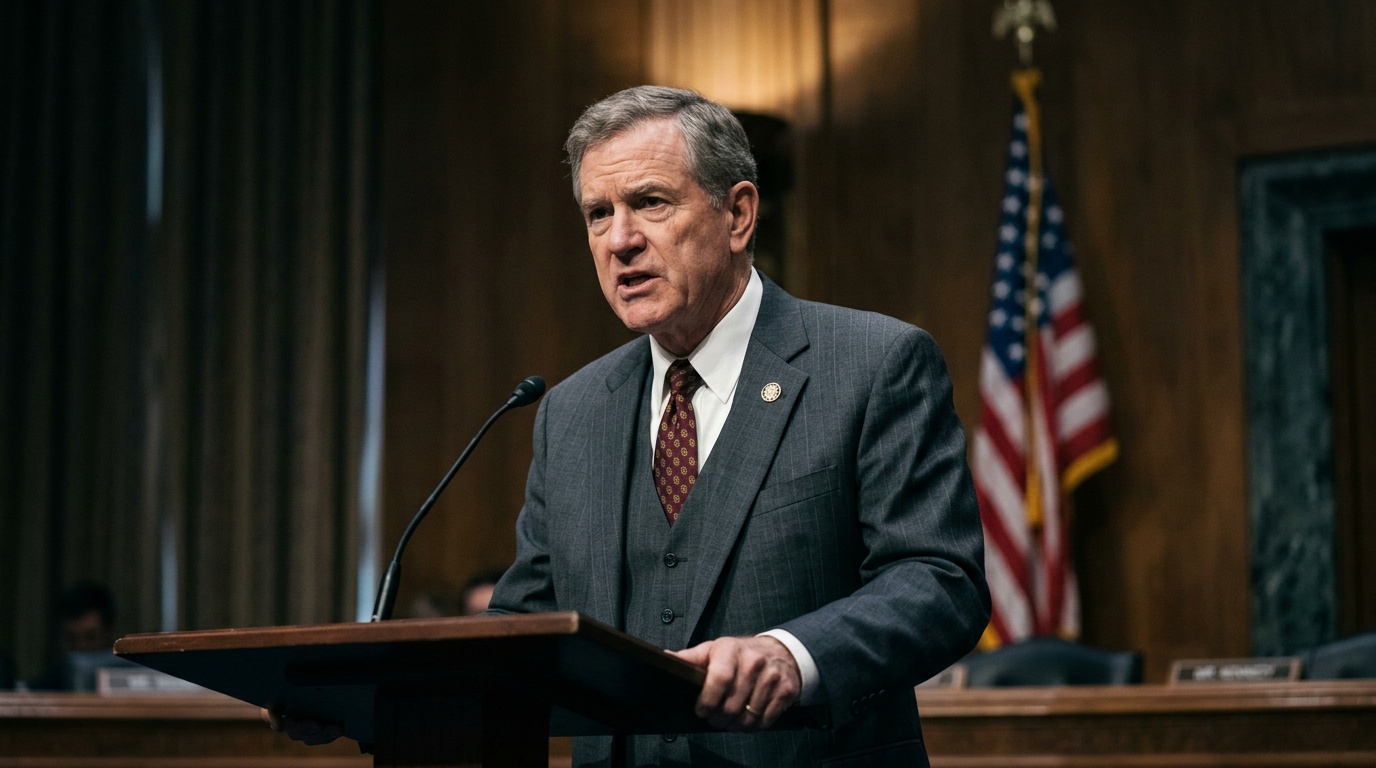
Here’s a story that’s becoming all too familiar: while some people are buying speedboats and mansions, others are just trying to figure out how to pay for groceries and gas. That’s the picture Senator Mark Kelly (D-Ariz.) painted in a recent social media post, calling it “time to refocus our government on what really matters.”
Kelly’s message was straightforward. He pointed to the “stark contrast” between the wealthy and ordinary families, noting that “working Americans are struggling to pay the bills.” His solution? Policies aimed at “lowering the costs of gas, groceries, housing and everything else that’s making it hard for working families to get ahead.” It’s a classic economic fairness argument, wrapped in the very immediate pain of inflation.
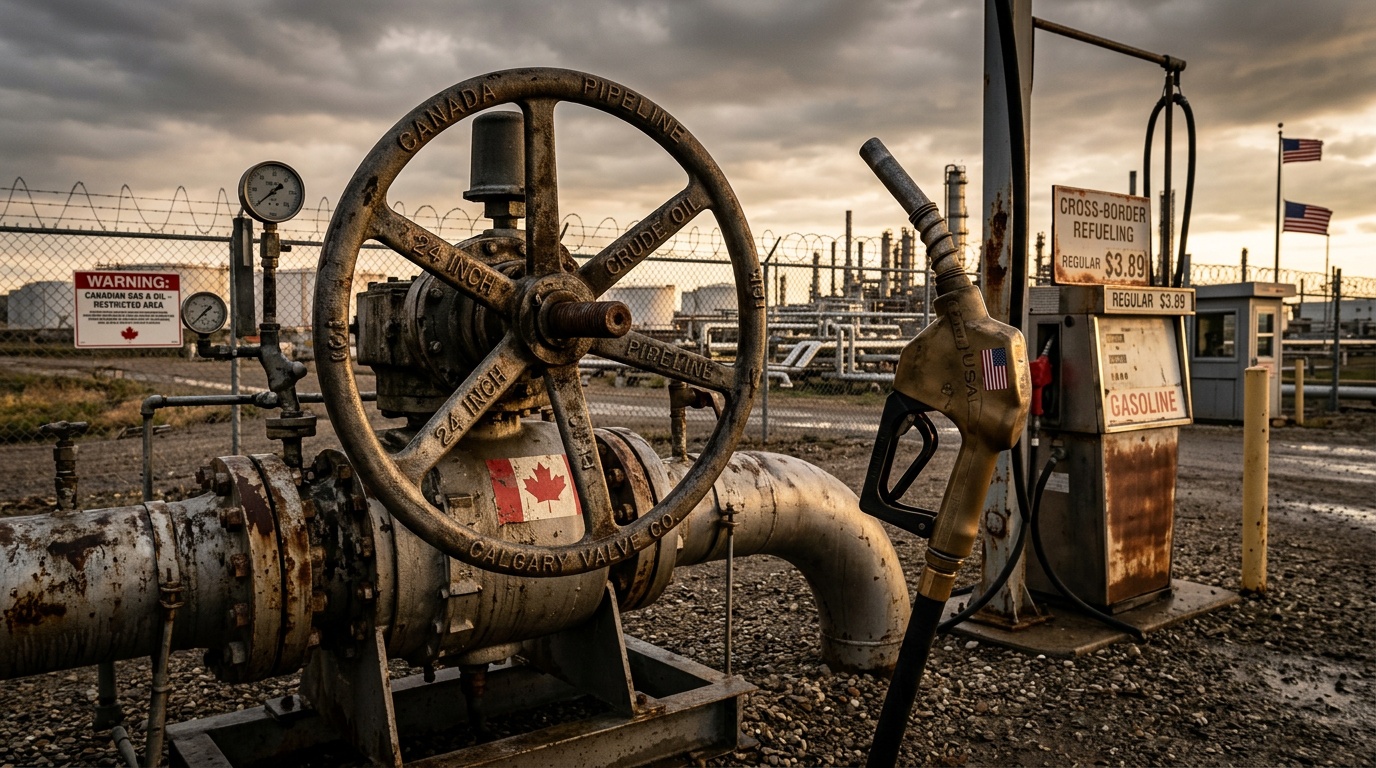
He’s not the only one connecting dots between policy, geopolitics, and your wallet. Governor Gavin Newsom (D-Calif.) recently slammed former President Donald Trump, arguing that “Gas, food, and airfare prices are soaring” amid broader international conflicts. Meanwhile, Senator Elissa Slotkin (D-Mich.) warned that fuel cost surges—driven by issues like halted oil traffic at the Strait of Hormuz—are pushing up prices for “trucking, airline tickets, and food.”
So what’s a person to do? Former Transportation Secretary Pete Buttigieg suggested that Americans need to use their political influence. He highlighted the squeeze from rising grocery bills, childcare, and housing costs, stressing that “political choices determined whether daily life was manageable or overwhelming.” His critique focused on the “political spectacle over substantive solutions,” advocating for a baseline where “one job is enough to live well in America.”
Adding an economist’s perspective, Nobel Prize-winner Paul Krugman argued that certain policies have directly made America “less affordable.” He pointed to tariffs “driving up the cost of imported goods and fueling inflation,” and linked strict immigration policies to rising grocery prices by noting that deportations can reduce the agricultural workforce. Krugman’s take was blunt: he criticized the economic approach as lacking a real plan and warned that most policies in play were “likely to push prices even higher.”
It’s a conversation that keeps coming back to the same core issue: the cost of living. Whether it’s framed as a wealth gap, a policy failure, or an international ripple effect, the message from these voices is clear—the numbers on receipts and bills are telling a story that demands attention.