Here's a fascinating geopolitical puzzle: What happens when one country decides to put a toll booth in the middle of the world's most important oil shipping lane, and the world's biggest economy says, "Meh, not my problem"?
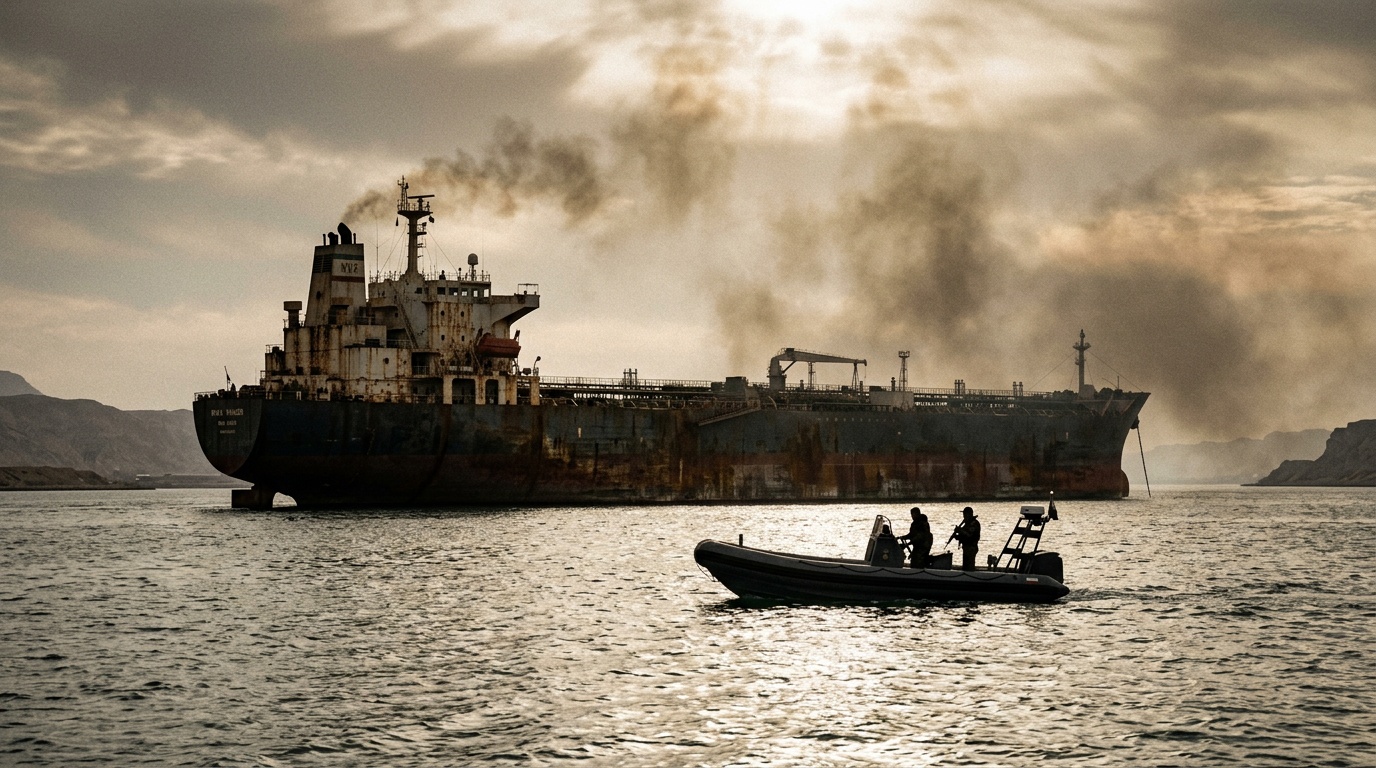
That's essentially the situation unfolding in the Strait of Hormuz. Iran's Islamic Revolutionary Guard Corps (IRGC), according to reports, has tightened its financial grip on this critical chokepoint. They've set up a highly controlled shipping corridor near Larak Island and are now charging tolls. The price of admission? Starting at $1 per barrel of oil, payable not in dollars, but in Chinese Yuan or stablecoins.
It's a de facto "toll booth" regime, as described by Lloyd's List Intelligence. The process isn't simple, either. Vessel operators have to go through rigorous vetting by IRGC-linked intermediaries. They must hand over cargo manifests and transponder data to prove they have no connections to the U.S. or Israel before they even get a permit to pass. This move comes after traffic through the strait reportedly plunged by 90%, and Tehran's parliament is working on a bill to make this financial control official.
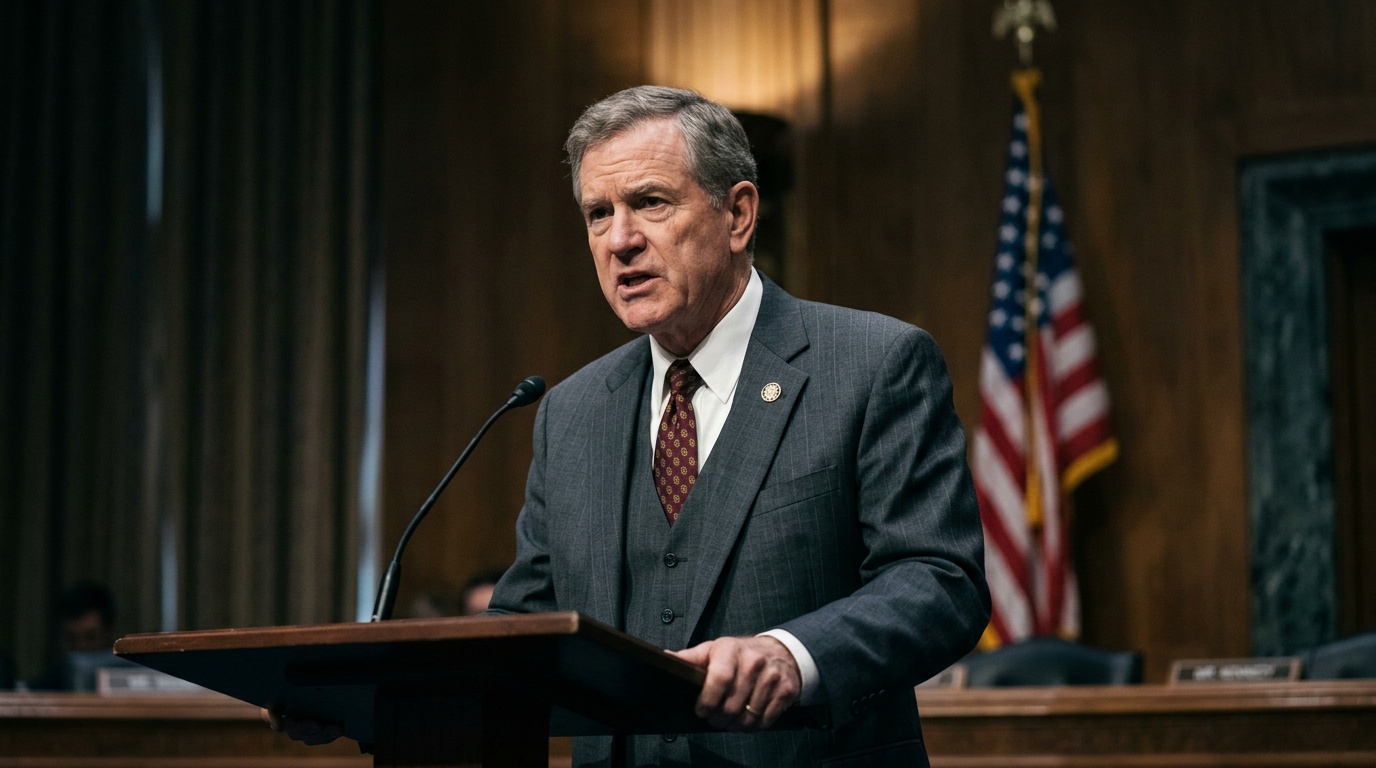
So, the world's oil artery has a new gatekeeper demanding a fee. You'd think this might cause some alarm in Washington. But President Donald Trump, addressing the nation about "Operation Epic Fury," projected a vibe of supreme indifference. He pointed to record U.S. energy production as the ultimate shield.
"We're now totally independent of the Middle East," Trump declared. "We don't need their oil. We don't need anything they have."
Despite Iran's very tangible move to control a global trade route, Trump insisted the U.S. military campaign had already neutralized the regime. He boasted that Iran had been "decimated" and its military infrastructure was effectively "gone." The message was clear: from the U.S. perspective, this is someone else's crisis.
That leaves America's allies and other oil-dependent nations in a tricky spot. While countries like China and India have reportedly cut deals with Tehran for safe passage, Trump had some characteristically blunt advice for everyone else feeling the pinch.
Noting that the U.S. imports almost no oil through this chokepoint, he suggested allies have two choices: buy abundant American gas, or go handle the strait themselves.
"Go to the strait and just take it, protect it, use it for yourselves," Trump urged. In other words, the burden of navigating Iran's new toll system—and potentially confronting the IRGC—is now squarely on the international community. The U.S., by this framing, is just a spectator and potential energy supplier.
The market's reaction to this "you handle it" foreign policy was immediate and sharp. Following Trump's speech, crude oil prices shot up. WTI futures rose 4.76% to $104.89, while Brent futures jumped 5.69% to $106.96.
The popular oil ETFs followed suit. The WTI futures tracker, United States Oil Fund, LP (USO), was up 5.41% in overnight trading. It's had a wild run, advancing 51.42% over the last month and 77.93% year-to-date. Similarly, the Brent futures tracker United States Brent Oil Fund, LP (BNO) gained 6.10% overnight. It's up 44.58% over the past month and 76.47% since the start of the year.
So, the story here isn't just about a new tax on shipping. It's about a fundamental shift in how a superpower engages with a global energy crisis. Iran is cashing in on its geographic leverage, imposing a new cost on global trade. And the U.S. response, at least rhetorically, is to declare itself out of the game, telling everyone else to figure it out while the market prices in the heightened risk and uncertainty. It's a bold strategy. Let's see how it works out for everyone holding an energy bill.