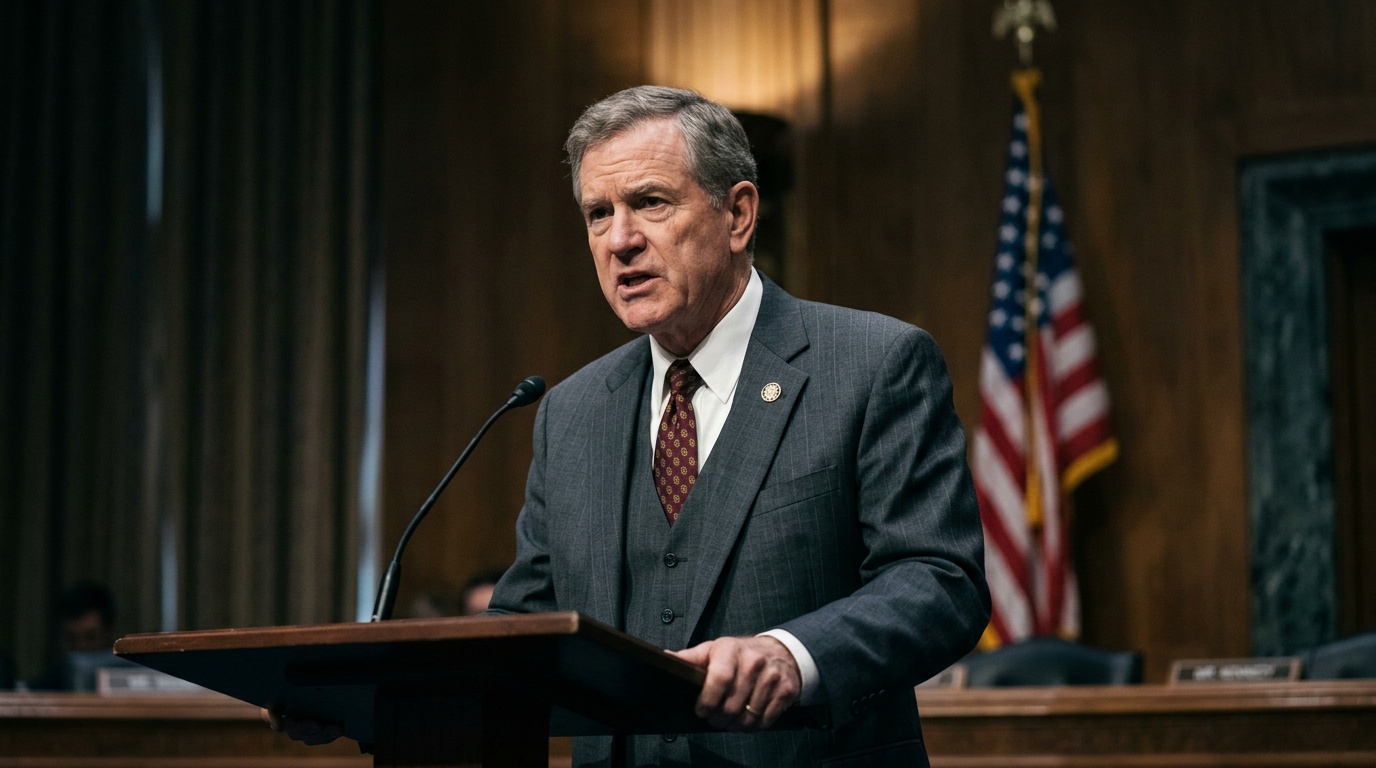
So here's the situation: President Donald Trump went on television Wednesday and said the U.S. would hit Iran "extremely hard" over the next two weeks, threatening to send the country into the "stone ages." This isn't just geopolitical posturing—it's the kind of talk that makes oil traders very, very nervous.
Trump was marking one month since launching "Operation Epic Fury" against Iran, and he was in a celebratory mood about what he called "swift, decisive" victories. But the celebration came with a warning: if no agreement is reached, the U.S. would launch strikes on Iran's power infrastructure, specifically targeting electric generating plants.
"We have not hit their oil, even though that's the easiest target of all," Trump said. "Because it would not give them even a small chance of survival or rebuilding, but we could hit and it would be gone."
Meanwhile, back in the States, the economic consequences are already being felt. California Governor Gavin Newsom criticized Trump over the Iran war, saying it has greatly impacted everyday life. "Gas, food, and airfare prices are soaring," Newsom said in a post on X.
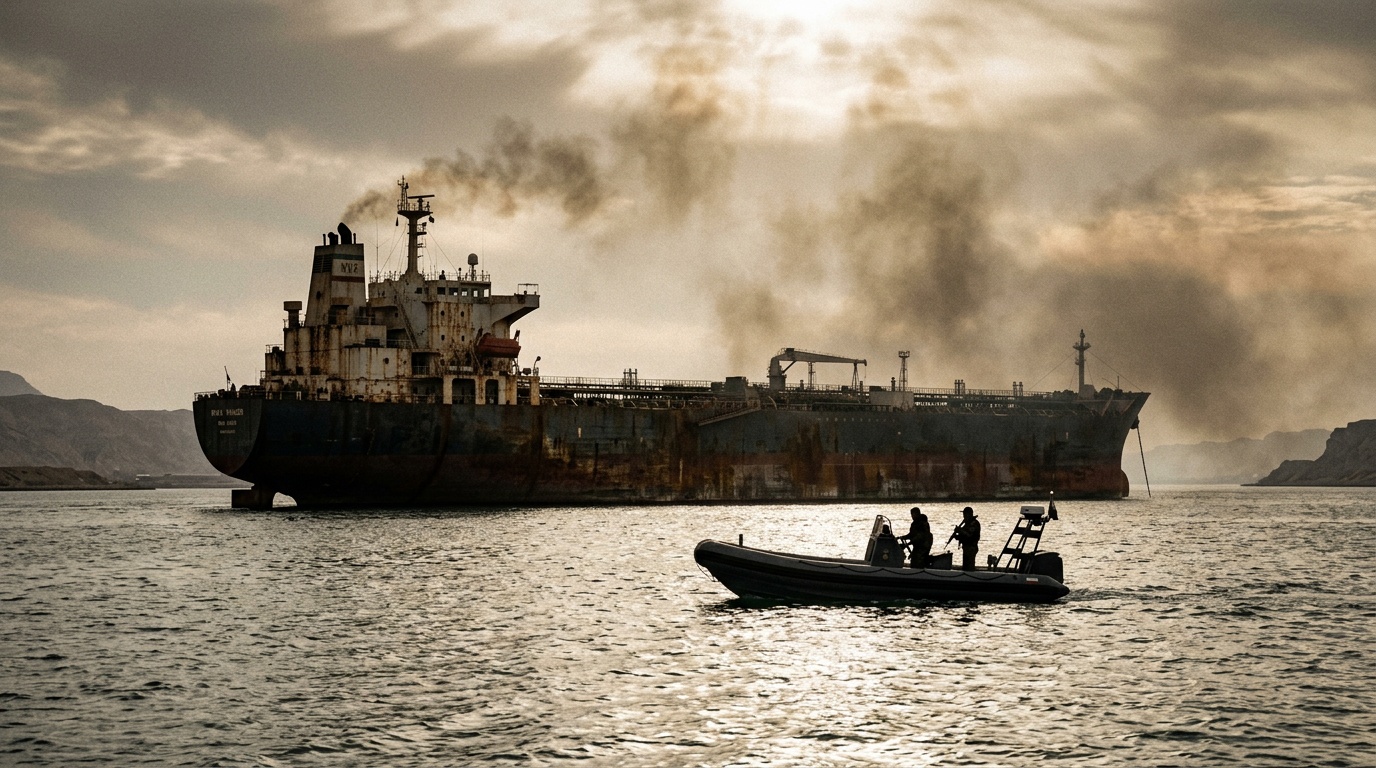
He's not wrong about the gas part. Oil prices have been climbing steadily amid the conflict, especially since Iran has restricted the Strait of Hormuz, impacting shipping. Crude oil prices surged over 45% in March, with WTI crude futures settling above $100 for the first time since July 2022. By early Thursday, crude oil was trading at $104.89, up nearly 5% just hours after Trump revealed that the U.S. will continue to strike Iran.
But here's where it gets really interesting: while analysts and experts are making their predictions, there's another group putting real money on the line. Prediction markets—where people bet on outcomes using real currency—are showing what the crowd thinks is going to happen next.
On Polymarket, a prediction platform based on Polygon (POL) that uses the USDC (USDC) stablecoin, traders are betting on a contract asking "What will WTI Crude Oil (WTI) hit in April 2026?" Over $2.5 million has been wagered so far.
And amid Trump's latest threats, the bets have shifted dramatically. Bettors have placed an 81% probability on crude oil hitting $110—that's up 31% from previous levels. But some traders expect things to get even worse: they're assigning a 47% probability to the price rising to $120 and a 31% probability to it reaching $130.
The market isn't just betting on price targets though. There's another contract asking whether oil will hit $120 or the U.S. and Iran will reach a ceasefire first. Right now, bettors have assigned only a 30% probability to a ceasefire occurring before oil hits $120, down from 18% previously.
Perhaps most tellingly, the odds of a U.S. ground invasion of Iran by the end of April have surged to 70% according to the prediction market, up from 57% just a week ago. Meanwhile, expectations for peace have declined—bettors are pricing in just 32% odds of a U.S.-Iran ceasefire by the end of April, down from 40% last week.
So what we have here is a classic case of the market speaking through prediction contracts: higher oil prices, higher probability of escalation, lower probability of peace. When the President talks about sending a country back to the stone age, and that country happens to be a major oil producer controlling a critical shipping lane, this is what happens. People start betting on $130 oil.