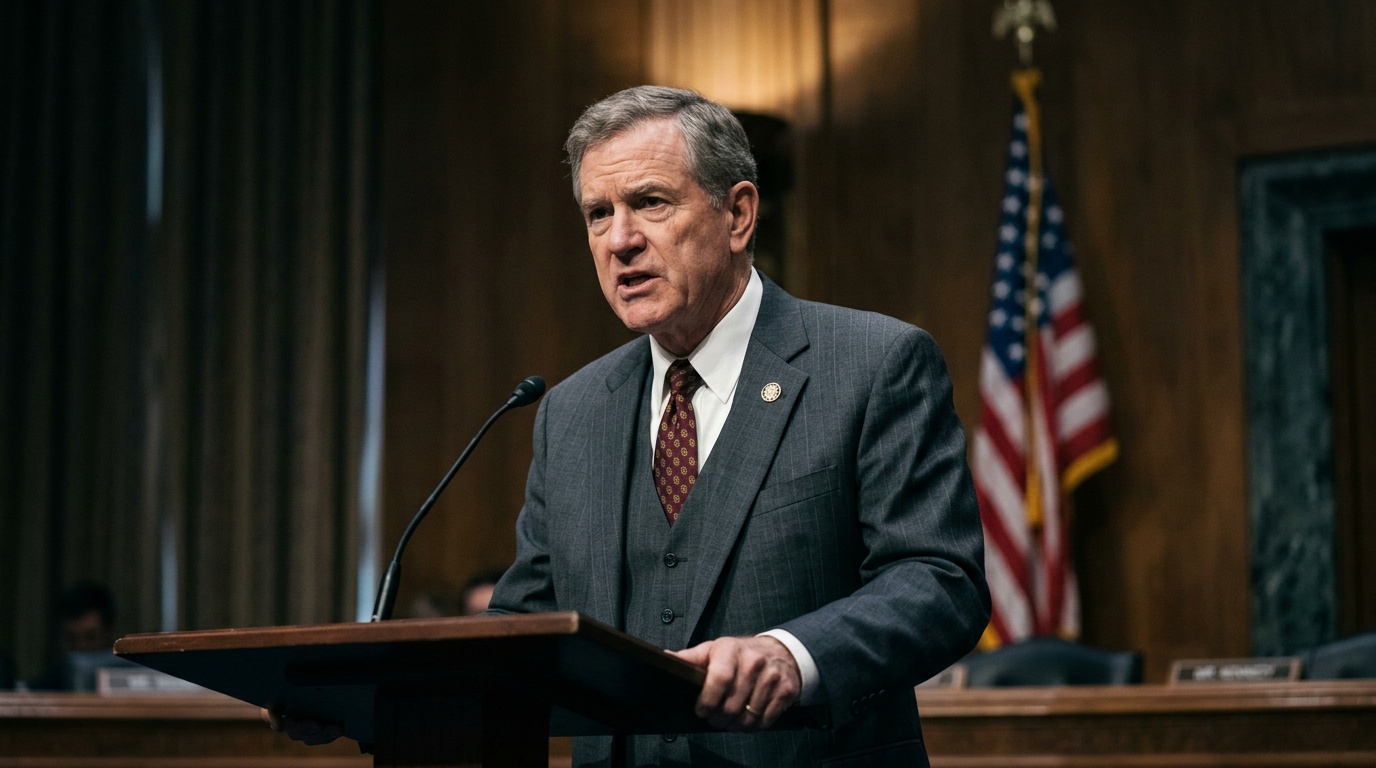
Washington state just made a move that's got everyone talking about taxes, fairness, and where the rich might go next. Governor Bob Ferguson signed the so-called "Millionaires' Tax" into law this week, creating a new tax on individual income that exceeds $1 million a year. The state estimates that less than half of one percent of Washingtonians will actually have to pay it.
So, what's the plan for all that new money? In the first full year, over 41% of the revenue is slated to go back to families and small business owners, with that share rising to nearly 48% the following year. The benefits package is pretty specific: free meals for all K-12 students, an expansion of the Working Families Tax Credit to reach 460,000 new families, and more than $320 million invested in affordable childcare. Oh, and they're getting rid of the sales tax on diapers and over-the-counter drugs. It's a classic case of using a targeted tax to fund a broad social agenda.
But not everyone is buying the premise. Enter Jamie Dimon, the CEO of JPMorgan Chase & Co. (JPM). Speaking on a recent television appearance, Dimon issued a warning that's as old as taxation itself: high taxes make people move. "Look at California versus Nevada. New York versus Florida. There is a huge exit taking place," Dimon said. "Unfortunately, people vote with their feet." He argued that "tax-the-rich" policies are "a big factor in why people move" and that the resulting migration "is not good for the city."
Dimon's comments land at a time when household budgets are already feeling the squeeze from other directions. The average rate on a 30-year fixed mortgage just hit 6.38%, marking a six-month high, according to data from Freddie Mac (FMCC). Rates have now climbed for four weeks straight, a move partly driven by oil prices surging more than 30% since late February. Looking further out, the OECD projects U.S. inflation will climb to 4.2% in 2026, up from 2.6% in 2025, with the Federal Reserve expected to hold interest rates steady through that period. So, the economic backdrop for this tax debate is already a bit tense.
The fairness of it all is, of course, central to the debate. Senator Bernie Sanders pushed back on the idea that such taxes are punitive, arguing that a hypothetical 5% federal wealth tax would require a billionaire like Dimon to pay roughly $135 million more—while still leaving him with a net worth of over $2.5 billion. It's a question of perspective: is it a burden or a fair share?
Washington's new law also revives a very concrete warning from recent history. Florida Governor Ron DeSantis previously pointed out that his state "lost its biggest taxpayer" when Amazon.com Inc. (AMZN) founder Jeff Bezos relocated to Florida in late 2023. Reports suggested the move saved Bezos around $1 billion in taxes. To put that in context, Washington's annual state revenue is about $66.39 billion. DeSantis called taxes like Washington's new one "counterproductive," warning that states without income taxes hold "a major advantage" and that taxpayers will inevitably flee.
So, here's the puzzle Washington and every other state considering similar measures has to solve. On one hand, you have a clear plan to use revenue from a tiny slice of the population to fund services for a much larger group—meals for kids, help for families, cheaper childcare. On the other hand, you have the very real possibility that the people you're counting on to pay might just pack their bags and head for a state with a friendlier tax code. It's the age-old trade-off between funding public goods and encouraging—or not discouraging—economic activity. Washington just made its bet. Now we get to watch and see if the wealthy decide to stay and play, or take their money and run.