So, here's a thing that's happening: former President Donald Trump is talking about pulling the United States out of NATO. Not just talking about it, but saying he's "strongly considering" it. The reason? He says the alliance refused to back the U.S. in its war with Iran.
In an interview with The Telegraph, Trump questioned whether Europe is a reliable defense partner at all. "I am strongly considering pulling out of NATO," he said. When asked if the U.S. might reconsider its membership after the conflict, he went further: "Oh yes, I would say [it's] beyond reconsideration. I was never swayed by NATO. I always knew they were a paper tiger, and Putin knows that too, by the way."
That's a pretty direct shot across the bow. Calling NATO a "paper tiger"—meaning it looks tough but isn't—and linking that view to Russian President Vladimir Putin is the kind of statement that gets people's attention in foreign ministries from Brussels to Tokyo.
Trump didn't stop there. He also took aim at the United Kingdom and its new prime minister, Keir Starmer, for not joining the fight. He even questioned the capability of the Royal Navy. "You don't even have a navy. You're too old and had aircraft carriers that didn't work," he said.
The core of his complaint seems to be about reciprocal support. He pointed to U.S. backing for Ukraine as an example where America stepped up. "Ukraine wasn't our problem. It was a test, and we were there for them," Trump said, adding that the U.S. didn't get the same support in return for its own conflicts.
Rubio Echoes the Sentiment
This isn't just Trump talking. Secretary of State Marco Rubio, in a conversation with Sean Hannity on Fox News, voiced similar concerns. Rubio noted he has long supported NATO for its strategic value, including allowing a U.S. military presence in Europe. But, he argued, that value is undermined if the U.S. can't use European bases to defend its own interests.
He warned that the alliance risks becoming a one-way street, benefiting Europe without providing support when America needs it. "We're going to have to re-examine the value of NATO and that Alliance for our country," Rubio said.
So you have the former president and the current secretary of state both publicly questioning the fundamental bargain of the alliance. That's notable.
The Context: The Strait of Hormuz and Hesitant Allies
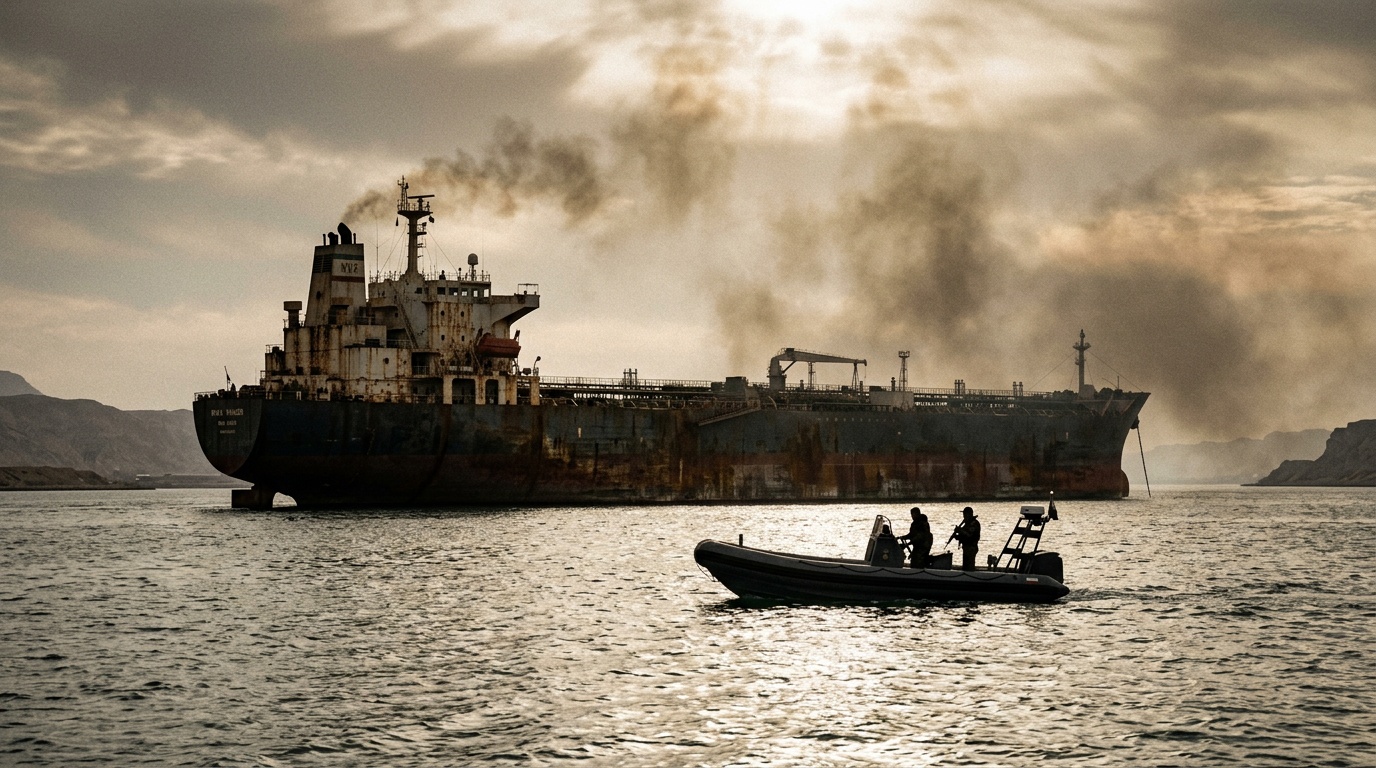
This all stems from the ongoing situation in the Middle East. Back in March, Trump had urged other nations to help open the Strait of Hormuz, a critical waterway for global oil shipments. Iran has partially shut it down for weeks.
The lack of international support for that effort—specifically, NATO allies like France, Spain, and the U.K. refusing to open their air bases for U.S. jets—seems to have been a major turning point in Trump's thinking.
The stakes are economic as well as military. The disruption is affecting roughly 20% of the world's oil flows, which is pushing energy prices higher. On Tuesday, Trump took to Truth Social and told countries feeling the pinch from the fuel crisis to "build some courage and get their own oil."
It's a classic Trump move: framing a complex geopolitical and economic issue as a simple matter of willpower and bilateral deals, rather than multilateral alliance management.
On the Other Side: Starmer Reaffirms the NATO Faith
Not everyone is on board with this re-examination. U.K. Prime Minister Keir Starmer, in a national address, reaffirmed his country's strong support for NATO despite Trump's withdrawal threats. He said he would act in Britain's national interest "whatever the noise."
Starmer called NATO "the single most effective military alliance the world has ever seen." It's a clear, traditional defense of the post-World War II security architecture, standing in direct contrast to the transactional, America-first criticism coming from Trump and echoed by Rubio.
What you have here are two fundamentally different views of how international security should work. One view is based on permanent alliances with shared burdens. The other is much more transactional, asking "what have you done for me lately?" and suggesting that decades-old treaties might be renegotiated or abandoned if the answer isn't satisfactory.
For investors and markets, the immediate concern is the Strait of Hormuz and oil prices. But the longer-term implication is about the stability of the Western alliance system that has underpinned global trade and security for decades. If the U.S. seriously reconsiders its role in NATO, that changes a lot of calculations for everyone, from defense contractors to energy traders to European governments trying to figure out their own security budgets. It's a "paper tiger" today, but the discussion about leaving it could have very real consequences.