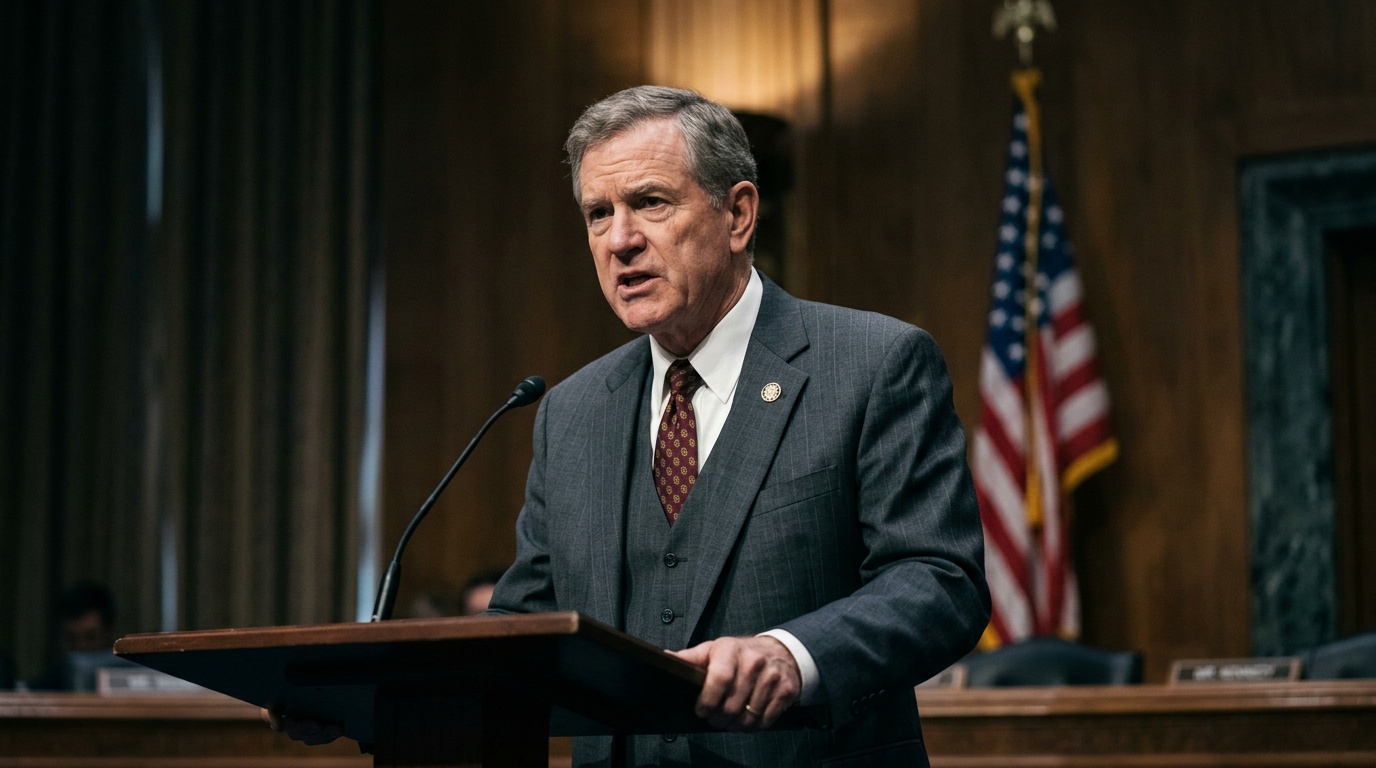
Here's a thought: what if the U.S. could actually write rules for crypto that make sense? Senator Cynthia Lummis (R-Wyo.) seems to think they're on the verge of doing just that. On Tuesday, she threw her full weight behind the Clarity Act, arguing it's exactly what the decentralized finance world needs to stop operating in the shadows.
In a post on X, Lummis didn't mince words. She called the bill "the best thing that could happen to the DeFi community." The core promise? A "safe harbor" for the people building this stuff. "Developers, validators, and node operators will finally have a safe harbor and we can ensure American innovation can stay right here on U.S. soil," she said. It's a classic argument: clear rules mean builders can build here instead of looking for friendlier shores.
So, what's in this magic bill? The Clarity Act tries to solve the eternal "is it a security or a commodity?" debate by splitting the baby. Oversight would be divided between the Securities and Exchange Commission (SEC) and the Commodity Futures Trading Commission (CFTC). The version that passed the House last year has a key carve-out: you wouldn't automatically be subject to its rules just for running a liquidity pool or a decentralized trading system. Over in the Senate, there are two versions floating around—one focusing on CFTC oversight for commodities, and another for SEC supervision of digital assets that are securities.
But it hasn't been a smooth ride. The legislation hit a major snag when Coinbase (COIN), the biggest crypto-native company on Wall Street, pulled its support. The sticking point? Provisions related to stablecoin yields. It's a reminder that for every rule that creates clarity, there's someone who doesn't like where the line is drawn.
Lummis issued a stark warning last week about the stakes. If this bill gets blocked, she suggested, don't hold your breath for another one. We might be waiting until 2030 for another serious shot at comprehensive crypto legislation. That's a long time in tech years. The message is clear: this might be the industry's best—and possibly last—chance for a while to get the regulatory certainty it says it desperately wants.