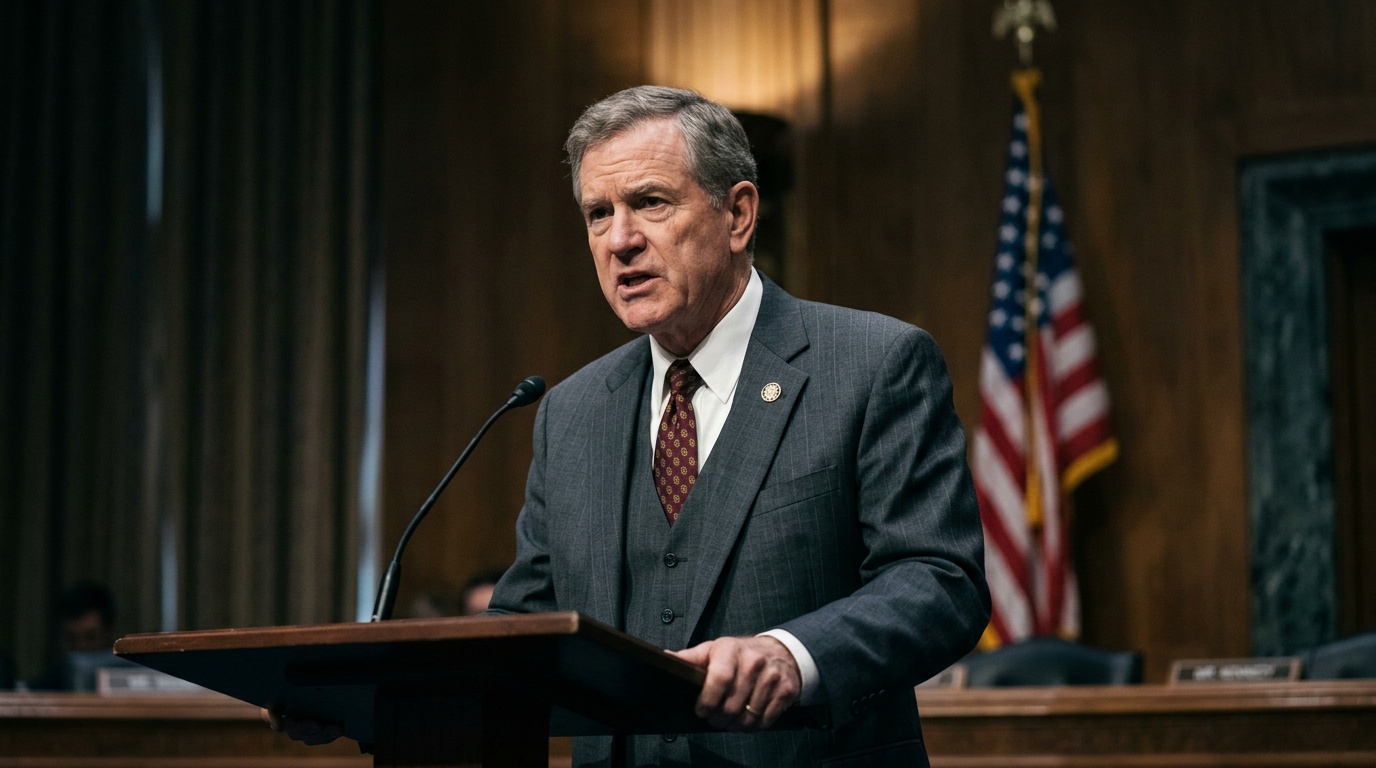
Warren Buffett has a new worry to add to his list, and it's bigger than any stock market crash or economic downturn. The chairman of Berkshire Hathaway (BRK.A) is sounding the alarm about nuclear weapons, specifically the prospect of Iran getting one. In his view, that changes the entire global risk calculus.
Speaking on CNBC, the 95-year-old investor framed it in starkly personal terms. "Just think of how you'd feel with North Korea having it and Iran wanting to get it," he said. For Buffett, who has long warned about nuclear proliferation, more countries with bombs means a higher probability of something going catastrophically wrong. "It'll be more difficult if Iran has the bomb than if they don't," he added, stating the obvious in a way that makes it feel newly urgent.
But it's not just about which countries have the weapons. Buffett pointed to a more chilling, human factor in the risk equation. "The most dangerous thing is, actually, somebody that's got their hand on the switch, who is dying themselves, or is facing enormous embarrassment," he said. Imagine a leader backed into a corner, personally desperate, with the ultimate weapon at their disposal. That, to Buffett, is the nightmare scenario.
When asked what advice he'd give a U.S. president grappling with nuclear policy, Buffett's long-term outlook was grim. He forecasted that nuclear weapons would inevitably be used at some point in the next 100 to 200 years. It's a sobering prediction from an investor known for his optimism about America's future.
Buffett's concerns come amid rising global tensions that are very much on Wall Street's radar. JPMorgan Chase (JPM) CEO Jamie Dimon, speaking separately, defended longstanding tensions with Iran, pushing back on critics who downplay the threat. Dimon has previously expressed frustration with U.S. military preparedness, but his immediate warning was for investors: markets will remain volatile until the conflict is resolved.
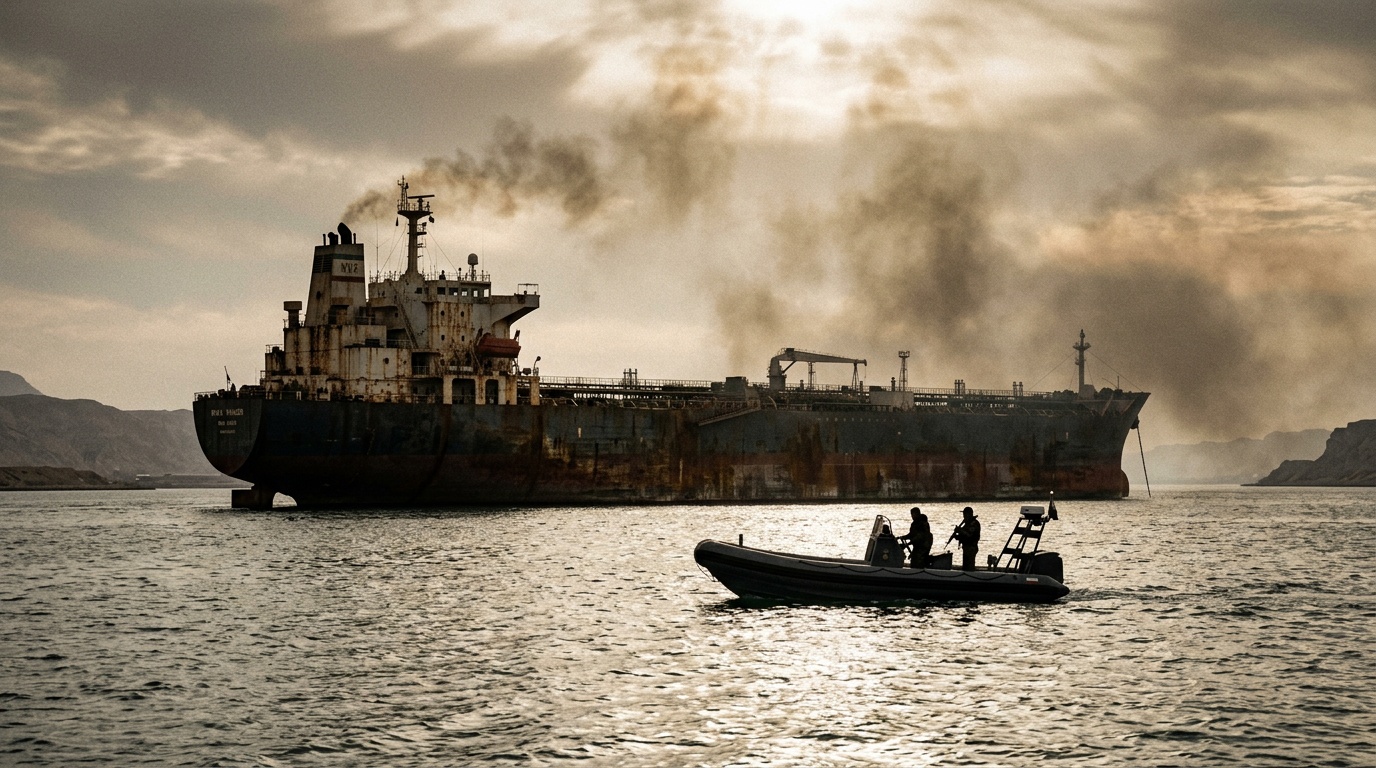
The ongoing strife has already disrupted critical global trade routes like the Strait of Hormuz, a key chokepoint for oil. Yet, there was a flicker of hope that briefly moved markets. Iran's President Masoud Pezeshkian signaled a potential pause in hostilities if guarantees were provided by the U.S. Combined with other political statements, this hint of de-escalation was enough to send stocks higher and oil prices lower on Tuesday. The Nasdaq and S&P 500 closed up 3.83% and 2.91% respectively, while Brent crude oil fell 2.22% to $101.66 per barrel.
It's a perfect illustration of the tight link between geopolitics and finance. One day, fears of escalation weigh on sentiment; the next, a hint of diplomacy triggers a rally. For giants like Buffett and Dimon, the message is clear: the biggest risks aren't always on a balance sheet. Sometimes, they're in the hands of a few people with the power to change the world in an instant.