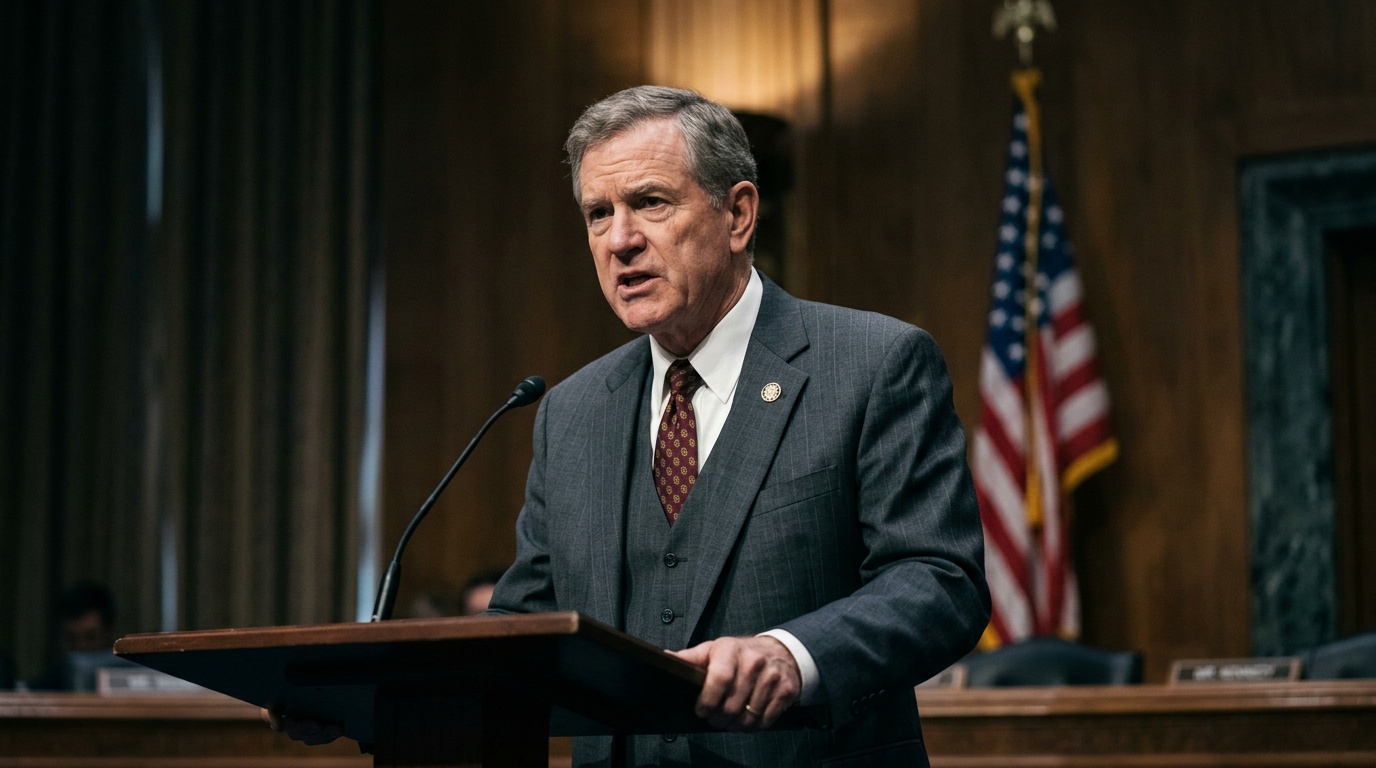
So here's something you don't see every day: a sitting president planning to pull up a chair at the Supreme Court. President Donald Trump confirmed on Tuesday that he's heading to the highest court in the land on Wednesday for the hearing on birthright citizenship. When reporters asked about his plans in the Oval Office, his response was characteristically direct: "I'm going."
Think about that for a second. Presidents have had all sorts of relationships with the Supreme Court—some have appointed justices, some have criticized rulings, and a couple have even been involved with the court before or after their presidencies. Richard Nixon argued a case before he became president, and William Howard Taft later served as chief justice. But showing up for oral arguments while still in office? That's a first.
Trump didn't just announce his attendance; he laid out his reasoning. He argued that birthright citizenship, as it's currently interpreted, has strayed far from its original purpose. "The original purpose of the birthright citizenship was to protect the children of slaves post-Civil War," he said, "not to confer citizenship to children of affluent foreigners." He called the legal handling of the issue over the years "the craziest thing I've ever seen."
When asked which justices he'd be paying close attention to, Trump offered a blunt assessment of the court's composition, framing it as largely partisan and divided between justices appointed by Republican and Democratic presidents. "I love a few of them," he admitted, "I don't like some others." It's the kind of candid, unfiltered commentary that has come to define his public remarks.
This all stems from an executive order Trump signed on January 20, 2025. The order aims to fundamentally reshape who gets to be an American by birth. Currently, the U.S. mainly follows what's called jus soli—the right of the soil. That means if you're born on U.S. soil, you're generally a U.S. citizen, regardless of your parents' immigration status. The U.S. also recognizes citizenship by descent (jus sanguinis), but birthright citizenship is the cornerstone here.
Trump's order seeks to upend that. It states that children born in the U.S. to undocumented immigrants or parents with temporary status are not automatically citizens. Instead, it mandates that at least one parent must be a U.S. citizen or a lawful permanent resident (a green card holder) for a U.S.-born child to receive American citizenship. This move is part of Trump's broader push to tighten immigration controls.
But here's the catch: the courts haven't been kind to this order so far. In October, a federal appeals court blocked it, ruling that it violated the Constitution and, in the court's view, centuries of legal precedent. That's a pretty significant roadblock. And it wasn't an isolated opinion. Earlier, in August 2025, a three-judge panel from the 1st U.S. Circuit Court of Appeals was already expressing skepticism, hinting that they too might find the order unconstitutional.
So now the Supreme Court gets the final say. It's a classic showdown between executive power and judicial interpretation, with a sitting president literally in the room to watch it unfold. The hearing isn't just about a policy; it's about the meaning of the 14th Amendment and who gets to define American identity. Trump's presence adds a layer of political theater to a legal battle that could reshape citizenship for generations. Whether you agree with him or not, you have to admit: he knows how to make a court case must-see TV.