Here's a simple economic equation that's getting a lot of attention right now: geopolitical tension plus oil-producing regions equals pain at the pump. Senator Elizabeth Warren (D-Mass) is making sure everyone knows who she thinks is responsible for solving for X.
On Tuesday, Warren took to social media to criticize President Donald Trump as gasoline prices continue their climb amid escalating Middle East tensions. "Record monthly gas price increases courtesy of Trump's Iran war," she posted, quoting analysis from GasBuddy's Patrick De Haan, who noted it was the "largest monthly increase" the organization has ever recorded.
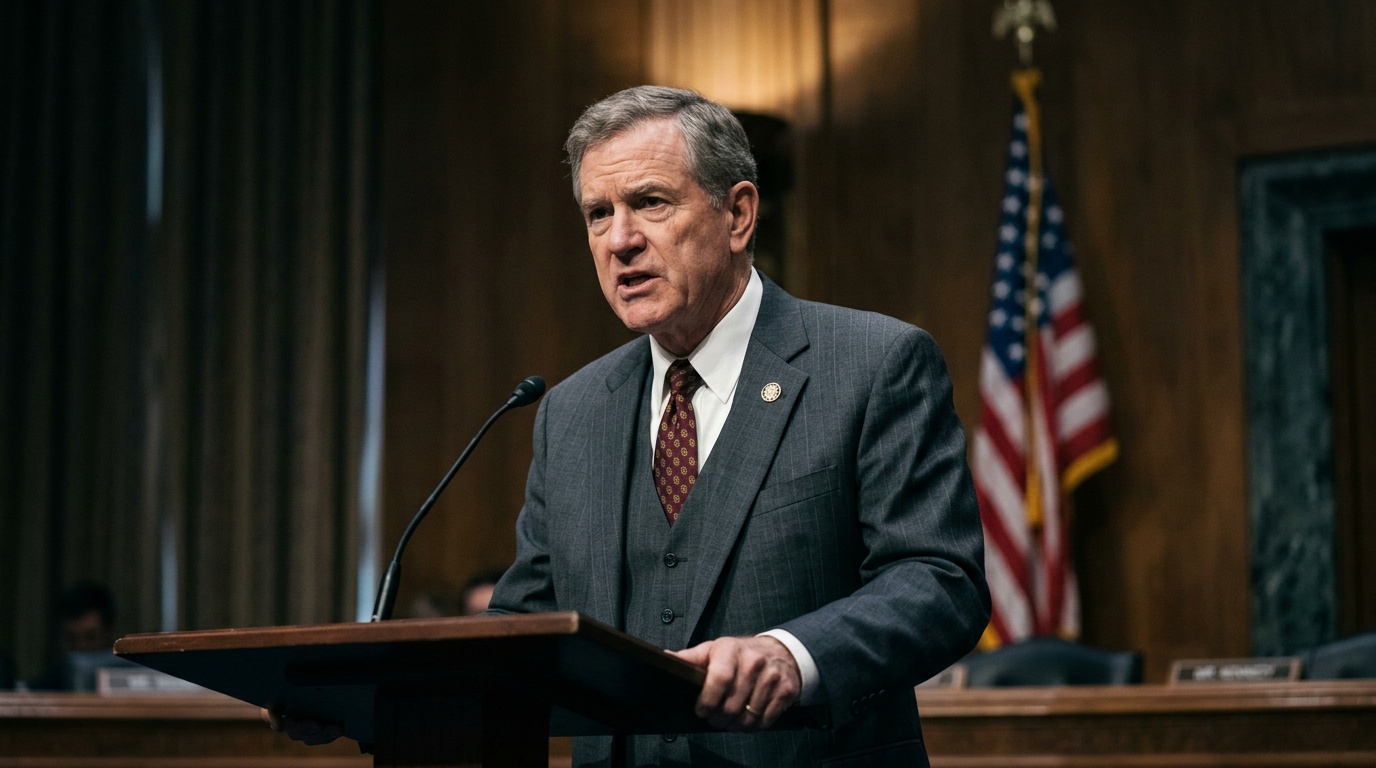
Warren wasn't done. In a separate post, she shared a picture from a congressional speech and took aim at the President's reported attitude toward the problem. "Donald Trump's response to skyrocketing gas prices? 'If they rise, they rise,'" her caption read. She drove the point home, stating, "Trump's war with Iran means gas prices are skyrocketing for American families here at home."
It's not just rhetoric; there are numbers to back up the "skyrocketing" claim. Data from the American Automobile Association (AAA) showed the national average price for a gallon of regular gasoline on Tuesday was $4.018. For drivers in California, the pain is significantly sharper, with an average price of $5.887.
Warren isn't the only prominent Democrat connecting gas prices to foreign policy. California Governor Gavin Newsom also delivered heavy criticism, reviving the acronym "TACO"—which stands for "Trump Always Chickens Out." The jab resurfaced amid reports that the U.S. might be pulling back from the Iran conflict without achieving a key objective like opening the Strait of Hormuz. The label gained popularity last year during trade negotiations when tariff threats were frequently issued and then delayed.
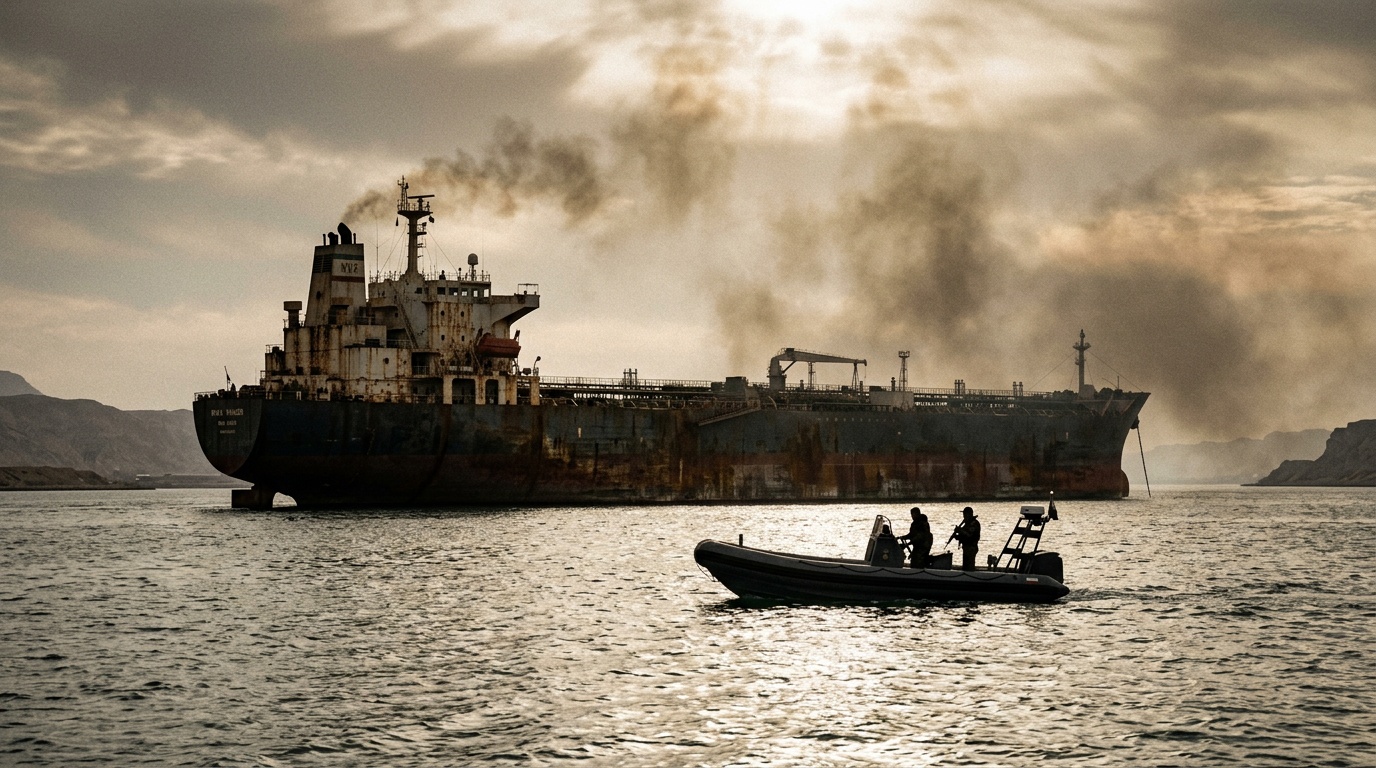
The backdrop for all this political finger-pointing is a genuinely tense situation. Tensions escalated further after a Kuwaiti oil tanker was struck over 31 nautical miles off the coast of Dubai. The incident immediately raised fears of an environmental disaster, but the UK Maritime Trade Operations center later stated, "No environmental impact has been reported."
Meanwhile, diplomatic maneuvers continue. Iran's foreign minister, Abbas Araghchi, has called on Saudi Arabia to remove U.S. troops from its territory following strikes on a major American air base. On another front, Israeli Prime Minister Benjamin Netanyahu touted a joint U.S.-Israeli operation against Iran, claiming it had reached a major milestone and significantly degraded Iran's capabilities.
So, to recap: oil tankers are getting hit, diplomats are making demands, military operations are being touted, and the average American is paying over four dollars a gallon to fill up their car. In politics, that's what you call a connection waiting to be made—or, depending on your viewpoint, a blame waiting to be assigned.