So, here's a plan: send American troops into Iran to physically grab its stockpile of highly enriched uranium. Sounds simple enough, right? Just pop over, pick it up, and head home. According to reports, that's something the Trump administration is actually considering. But military experts have a message for anyone thinking this is a quick in-and-out job: think again.
This isn't a raid on a warehouse. We're talking about a potential multi-day operation requiring a significant chunk of the U.S. military. The targets would be key nuclear facilities like the Natanz Nuclear Facility and the Isfahan Nuclear Technology Center. The prize? Roughly 440 kilograms of uranium that's been enriched to 60% purity—a hair's breadth from the level needed for a weapon.
"It's not going to be like swinging by a warehouse, grabbing something with a forklift and leaving. This is going to be something of extreme complexity," said retired U.S. Army Col. Seth Krummrich. He's not kidding. You'd need elite units to secure the sites, nuclear specialists to handle the hot stuff, and a whole logistical tail to get it out of the country safely. Former Navy Adm. Gary Roughead emphasized the scale wouldn't be small. "You're not talking dozens," he said, pointing to the need for air support, perimeter security, and those specialized handling teams.
Imagine the checklist: constant surveillance overhead, electronic warfare to blind Iranian defenses, and engineering teams to dig out uranium that's likely stored deep inside fortified tunnels. This isn't a special ops movie; it's a full-scale military invasion with a very specific, very dangerous objective.
Meanwhile, President Trump has been setting expectations on timing. He's said U.S. operations in Iran could wrap up in two to three weeks, adding, "It's possible that we'll make a deal before that." In a bit of contradictory messaging, he also stated in the Oval Office that his sole objective was to prevent Iran from getting a nuke, "and that goal has been attained." So, the goal is achieved, but we might still send in the troops for a weeks-long mission? That's the kind of geopolitical logic that keeps analysts up at night.
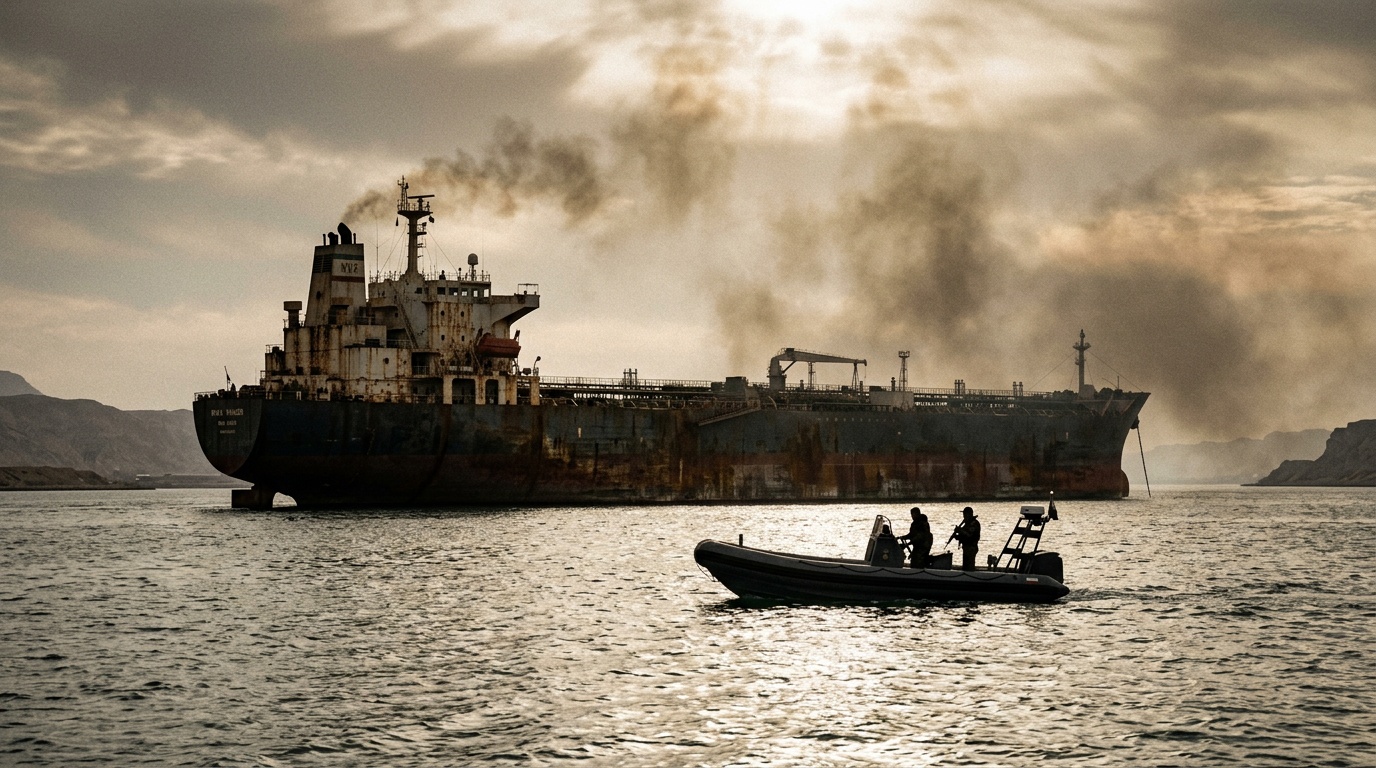
Of course, Iran isn't just going to watch this happen. They've already threatened retaliation if the U.S. follows through on earlier threats. Their target list includes American energy infrastructure, IT systems, and desalination plants. This came after Trump issued an ultimatum to reopen the Strait of Hormuz and warned of attacks on Iran's power plants. It's a classic escalation ladder: you threaten my infrastructure, I threaten yours.
The bottom line is this: seizing uranium sounds straightforward in a policy memo. In reality, it's a logistical and tactical nightmare that could easily spiral into a much broader conflict. When experts say it's complex, they mean it's the kind of operation that defines presidencies—for better or, more likely, for worse.