Here's a simple equation for you: geopolitical tension down, stock markets up. That's the math investors were doing late Tuesday after President Donald Trump suggested the U.S. might be packing its bags and leaving Iran sooner rather than later.
The potential for de-escalation sent a wave of relief through financial markets. At the time of writing, Dow futures had climbed 96 points, or 0.21%, to 46,678.00. The S&P 500 futures weren't far behind, gaining 21.50 points (0.33%), and Nasdaq 100 futures led the charge with a 0.49% jump, adding 116.50 points.
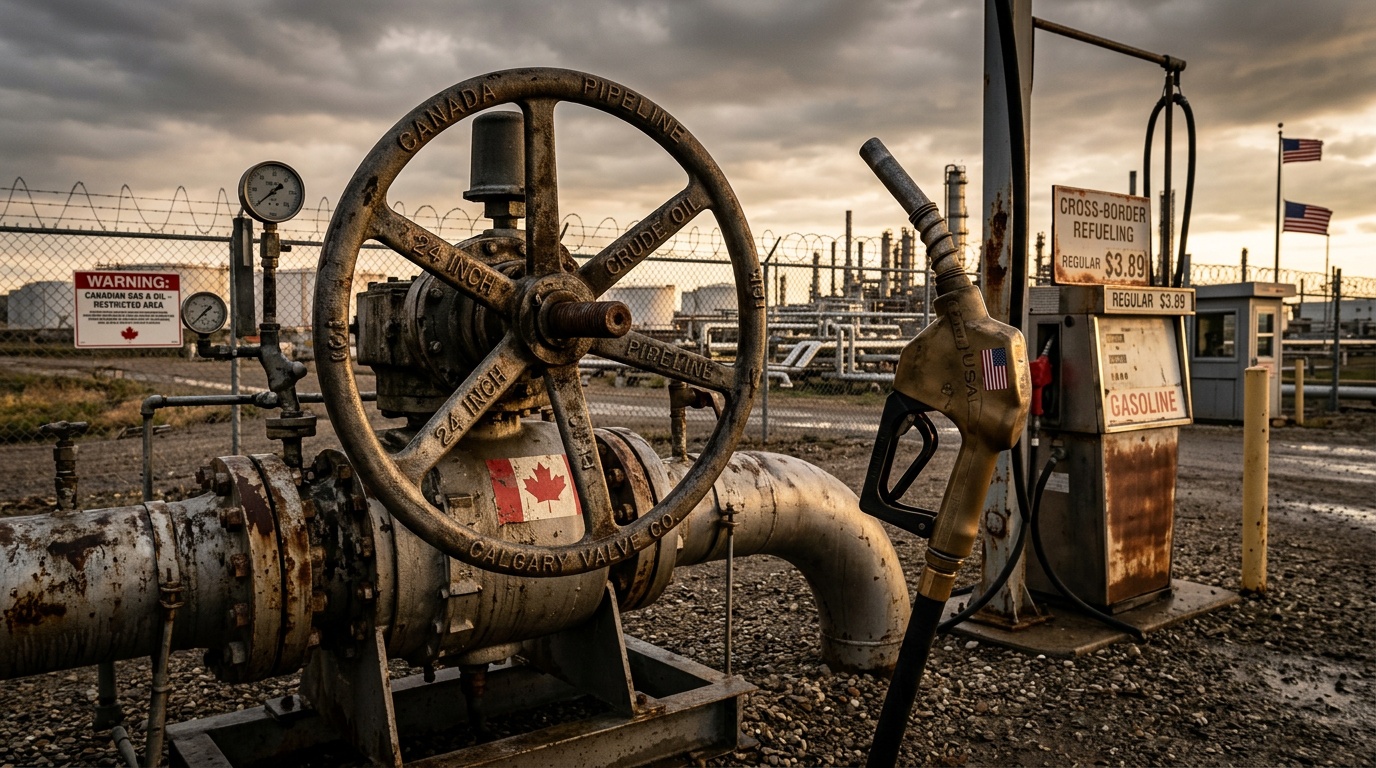
Over in the commodity pits, the reaction was a bit more mixed. WTI crude oil, the U.S. benchmark, held its ground above the psychologically important $100 mark, advancing 0.59% to $101.98 per barrel. Natural gas futures, however, dipped 0.59%. The U.S. dollar index was essentially flat.
The optimism wasn't contained to U.S. markets. Asian exchanges, which were open during the news, went on a tear. Japan's Nikkei 225 soared 3.82%, and South Korea's KOSPI surged an eye-popping 5.40%. It seems the prospect of a quieter Persian Gulf is a global crowd-pleaser.
The "No Deal" Exit Strategy
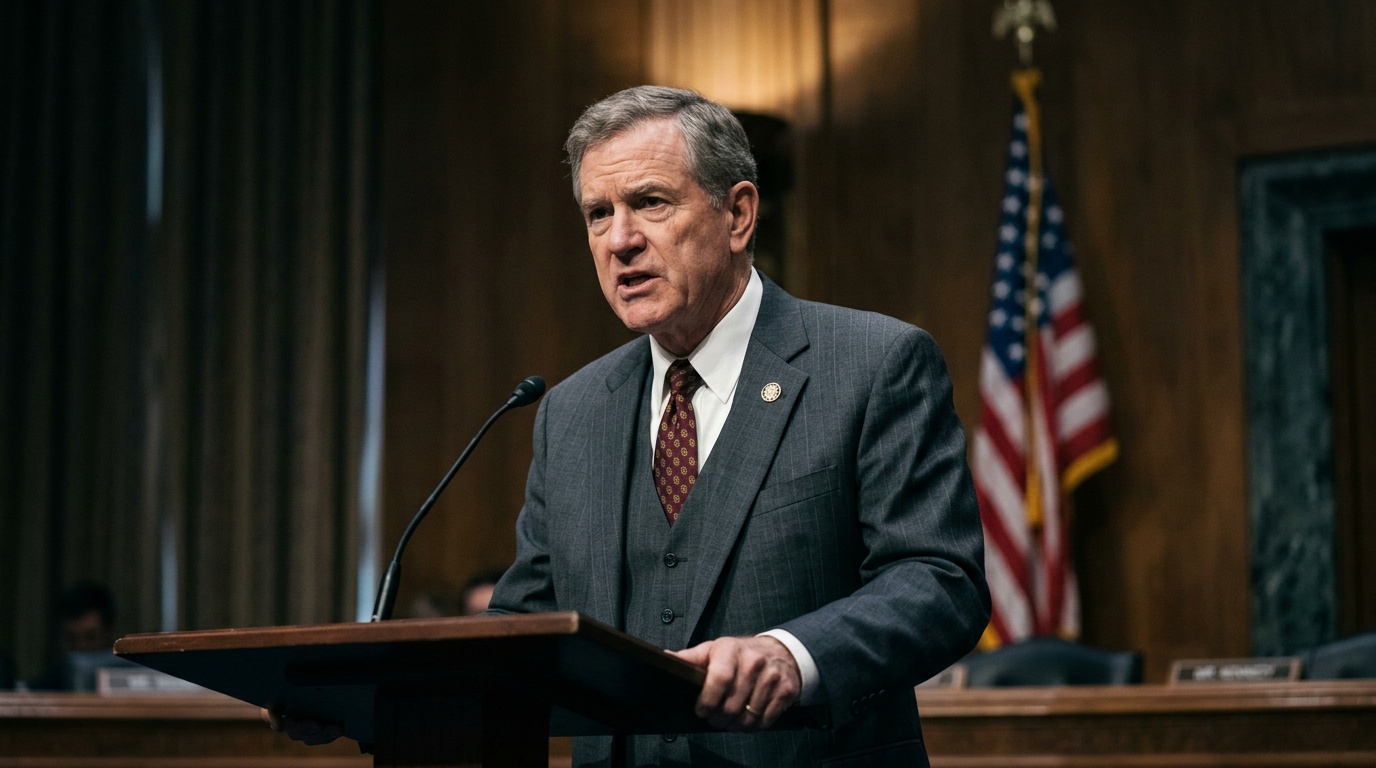
So, what exactly did the President say to trigger this rally? Speaking at the White House, Trump laid out a surprisingly straightforward timeline. "We'll be leaving very soon," he said, adding the withdrawal could happen "within two weeks, maybe two weeks, maybe three."
But the real headline was the condition—or lack thereof. In a notable shift from earlier U.S. demands for Iran to halt uranium enrichment, Trump explicitly said Tehran doesn't need to agree to American terms. "Iran doesn't have to make a deal, no," he stated. "No, they don't have to make a deal with me."
Think about that for a second. For months, the narrative has been about negotiations, frameworks, and concessions. Now, the message is essentially: we might just leave on our own schedule. It's a significant change in posture that markets interpreted as a major step back from the brink.
Mixed Messages and Corporate Threats
Of course, in geopolitics, nothing is ever that simple. Earlier in the day, Defense Secretary Pete Hegseth offered a more nuanced view. He said discussions with Iran were progressing but issued a stern warning that the U.S. remained ready to escalate if needed. "We have more and more options and they have less," he said, calling the coming days "decisive."
Iran, for its part, has previously brushed off these exchanges, saying they don't constitute formal negotiations. And as if to remind everyone that tensions are still simmering, Iran's Revolutionary Guard decided to make some threats of its own.
On Tuesday, the group issued a fresh warning targeting U.S. companies operating in the region, naming 18 specific firms. The list read like a who's who of American tech and industrial giants: Microsoft Corp (MSFT), Palantir Technologies (PLTR), Alphabet Inc. (GOOG), Apple Inc. (AAPL), Intel Corp (INTC), Tesla Inc. (TSLA), and Boeing Co (BA), among others. The Guard said action could begin at 8 p.m. Tehran time.
When asked about these corporate threats, President Trump seemed unimpressed, dismissing concerns by suggesting Iran had limited capacity to follow through. Investors appeared to share his skepticism, at least for the moment. By midday Tuesday, U.S. stocks were broadly higher, with all major indexes trading solidly in the green.
So, where does that leave us? Markets are betting that the path of least resistance is de-escalation. The President's comments provided a clear catalyst for that bet. But with the Defense Secretary talking about "decisive" days and Iran making threats against corporate America, it's a reminder that in these situations, the situation can change faster than a futures quote. For now, though, the mood is one of cautious relief.