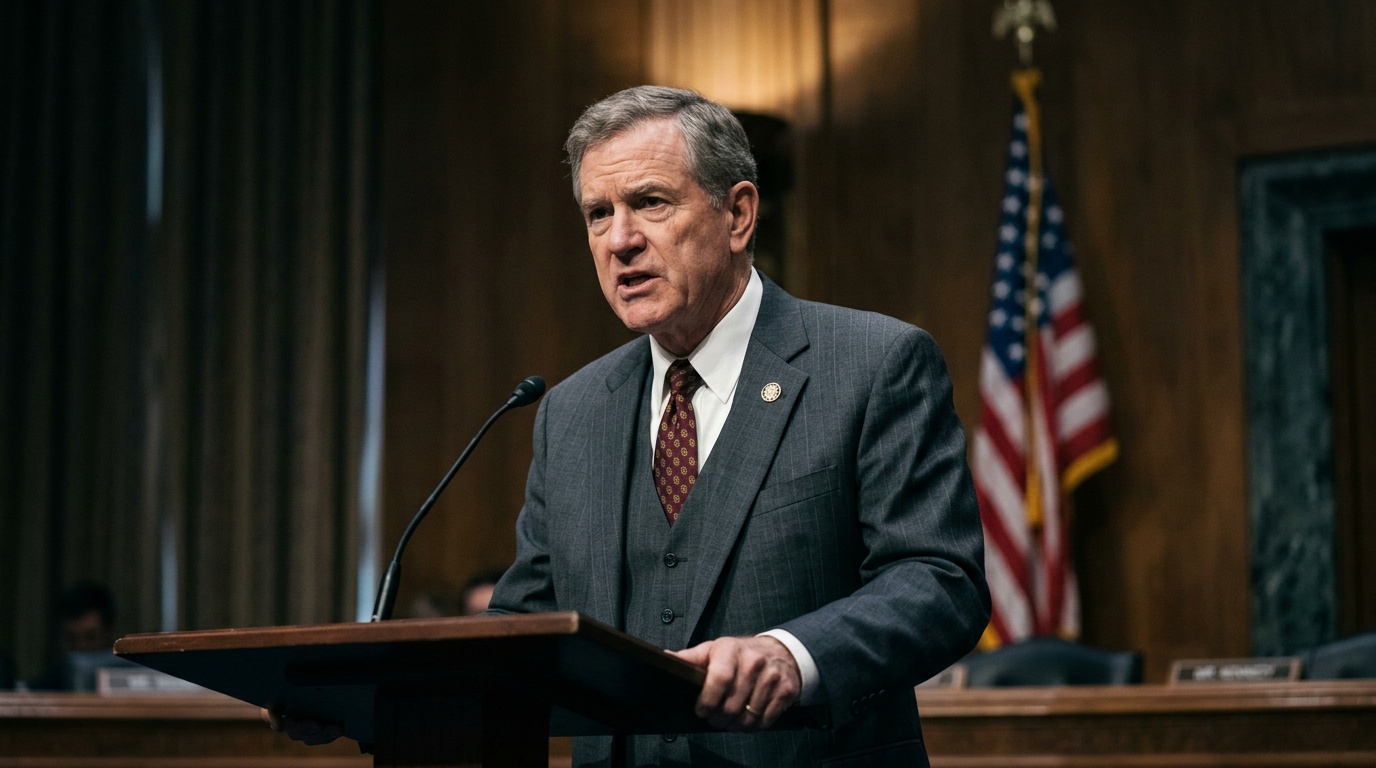
Imagine logging into your 401(k) portal and seeing Bitcoin right there next to your S&P 500 index fund. That future just got a lot closer. The Department of Labor (DOL) has dropped a new proposal that would let retirement plans dive into the world of alternative assets—specifically, cryptocurrencies and private markets.
Think of it as the government giving your retirement account permission to get a little more adventurous. The official line is all about helping American workers. "The overarching goal of the proposed regulation is to alleviate certain regulatory burdens and litigation risk that interfere with the ability of American workers to achieve, through their retirement accounts, the competitive returns and asset diversification necessary to secure a dignified and comfortable retirement," the proposal's summary says.
This isn't happening in a vacuum. It's the direct result of an executive order from President Donald Trump last year that told the DOL to take another look at the rules. The order pointed out that many people in employer-sponsored plans don't get a shot at the potential growth from these alternative investments. So, the DOL is taking a look.
The "Safe Harbor" Rule: A Legal Shield for Your Plan Sponsor
Here's the crucial part for the companies and administrators who run these plans: the DOL is proposing a "safe harbor" rule. In plain English, that's a legal shield. If plan sponsors follow the rules, they get some protection from lawsuits.
What are the rules? Fiduciaries have to carefully weigh six things when picking these alternative investments: performance, fees, liquidity, valuation, benchmarks, and complexity. It's a checklist meant to force serious due diligence. The rule isn't final yet; there's a 60-day public comment period coming up.
"Americans' ability to participate more fully in innovation and economic growth through well-diversified long-term investments is a vitally important priority for effective retirement planning. We look forward to continuing our work to expand opportunities for Americans to build wealth and save for the future," said SEC Chairman Paul S. Atkins in a statement.
U.S. Secretary of the Treasury Scott Bessent called the proposal "an initial step" in carrying out Trump's order "in a safe and smart manner." This follows the Labor Department's move last week to lift restrictions that had previously made plan sponsors very nervous about including crypto.
From Warning to Welcome: A Sharp Policy Reversal
This is a complete 180 from the recent past. Under former President Joe Biden, the DOL was sounding alarm bells. It warned about the "significant risks" of putting crypto in retirement plans, pointing to its famously wild price swings and speculative nature.
Now, the DOL's Employee Benefits Security Administration has officially rescinded that Biden-era guidance, claiming the department has been "historically neutral" on such investments. The tone has shifted from "be very careful" to "here's how you can do it."
And here's where the politics get spicy. Since Trump's second term began, reports indicate his family's crypto fortune has ballooned. According to Bloomberg, the Trumps have earned roughly $1.4 billion from their own crypto projects. Trump's policies—signing crypto-friendly laws and appointing regulators who've dismissed industry lawsuits—have helped fuel that growth.
It creates an interesting dynamic. If 401(k)s and IRAs start loading up on crypto, that could mean massive new demand for digital assets. Observers note that such a surge could, directly or indirectly, benefit the Trump family's own substantial holdings or their associated businesses.
The Industry Cheers: "An Overdue" Move
Unsurprisingly, the crypto world is thrilled. They see this as validation, a sign that digital assets are finally being taken seriously by the mainstream financial system.
"This is a positive development, and frankly, an overdue one," Maghnus Mareneck, co-founder and co-CEO of Cosmos Labs, told MarketDash. "Beyond individual benefits, this move signals that digital assets are being taken seriously within mainstream financial infrastructure. The priority now is ensuring any firm offering these options in a 401(k) meets the same rigorous compliance standards and consumer protections as traditional financial products."
Nathan McCauley, CEO and co-founder of Anchorage Digital, echoed that sentiment, framing it as a challenge the industry is ready for: "Rising institutional demand for crypto–including the option to include it in retirement plans–will naturally raise questions on how it's custodied, traded, and secured from bad actors. Regulated crypto firms like ours have spent years preparing for this, and our industry should welcome that scrutiny as more Americans gain the ability to engage with crypto."
Gabor Gurbacs, Chairman and CEO of OpenAssets, put it in infrastructure terms. "Expanding 401(k)s into digital assets and private markets is ultimately about infrastructure catching up," he said in a statement. He emphasized that with the right focus on vehicle design, fees, and liquidity, 401(k) participants could access these markets using structures already common in big institutional portfolios.
The Critics Warn: "Cracks Emerge" in Risky Markets
Not everyone is celebrating. The proposal has a powerful and vocal critic in U.S. Senator Elizabeth Warren (D-Mass.), who is no fan of either Trump or the crypto sector.
Her critique is blunt and ties the rule to current market stress. "As 'cracks emerge' in the private credit market, private equity returns fall to 16-year lows, and crypto keeps tumbling, President Trump has decided now is the time to stick all of these risky assets into Americans' 401(k)s," Warren said.
She framed it as a giveaway at the expense of retirement security. "Americans facing an uncertain future in Trump's economy will now have more reasons to question the security of their retirement savings — all so that Trump's Wall Street buddies have another pile of cash to play with. Anyone who cares about the financial security of working people should oppose this proposed rule."
Warren's mention of "cracks" isn't just rhetoric. There's real stress in the very markets this rule would open up. While Bitcoin and other cryptos bounced back a bit Tuesday after Iran signaled openness to peace talks, the private credit world is facing serious pressure from rising rates and tighter liquidity.
This has led to a wave of redemption restrictions—a sign investors want out. Oaktree Capital Management elected to fully satisfy all redemption requests, which represented 8.5% of its private credit fund for Q1.
Meanwhile, Morgan Stanley (MS) had to curb redemptions after investors tried to pull nearly 11% of shares from its North Haven Private Income Fund. JPMorgan Chase & Co. (JPM) has started restricting lending to software companies in its private credit funds.
And the giant BlackRock Inc (BLK) limited withdrawals from its massive $26 billion HPS Corporate Lending Fund after redemption requests surged to 9.3% of the fund's net asset value.
So, the debate is set. On one side: expanded choice, potential diversification, and a path to new growth for retirement savers. On the other: excessive risk, political favoritism, and the chance that Main Street's retirement money gets poured into Wall Street's most volatile and stressed-out corners. The 60-day comment period is about to get very interesting.