Here's a simple market truth from JPMorgan Chase & Co. (JPM) CEO Jamie Dimon: the jitters aren't going away until the shooting stops. Speaking on Tuesday, Dimon said global markets will remain volatile until the conflict with Iran concludes. While he noted the underlying economy remains resilient, the geopolitical environment is giving everyone a case of the nerves.
"The markets will be concerned until it's over," Dimon told "FOX & Friends." He emphasized that the successful completion of the war is more critical than whatever the S&P 500 does tomorrow or next week. In other words, don't look for a calm market until there's a resolution on the ground.
Hoping for Open Waters
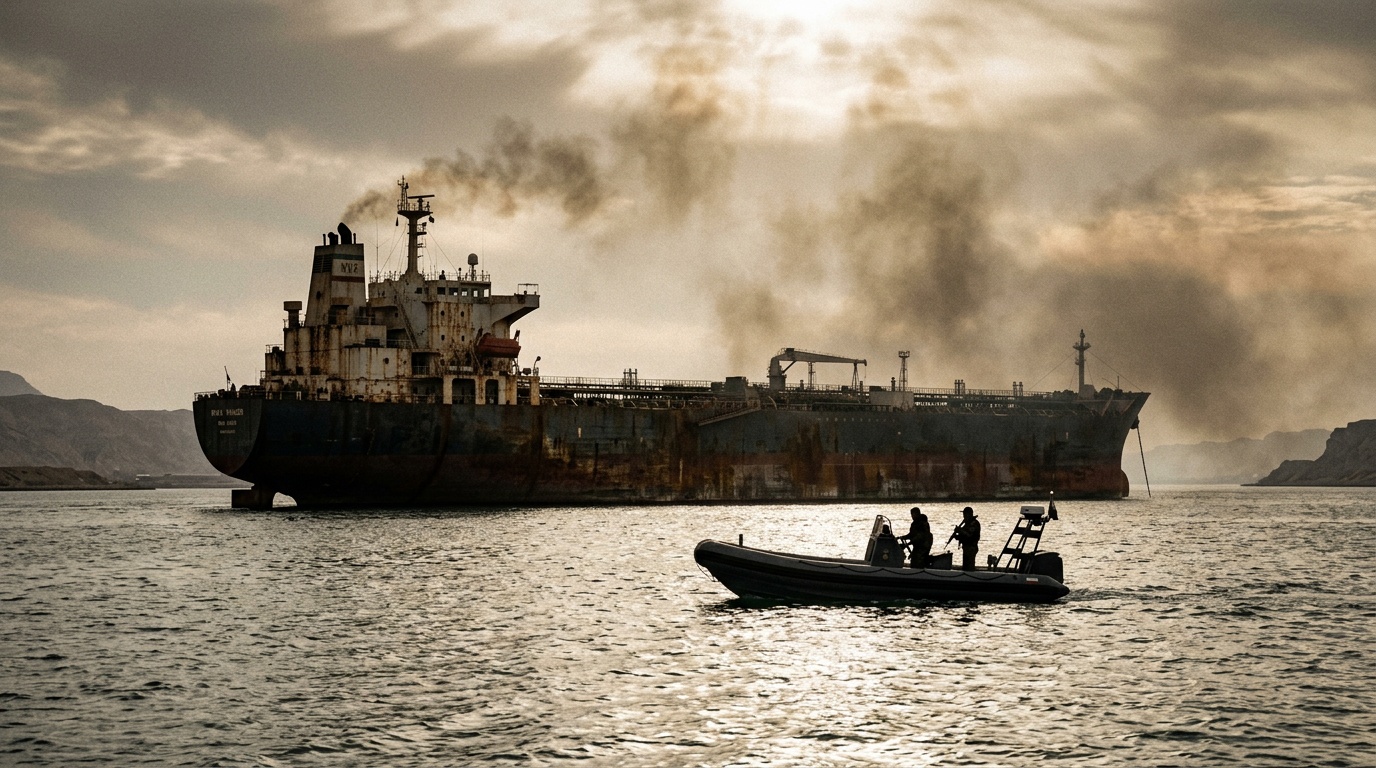
The ongoing conflict has thrown a wrench into global trade, specifically the crucial Strait of Hormuz. Dimon noted that traders and investors are currently pricing in the risk of things getting worse before they get better.
"We should all hope that… we win this thing and clean up the straits and that Iran is no longer a threat to everybody," Dimon said. It's a straightforward hope: a return to normal shipping lanes and one less geopolitical flashpoint.
A Presidential Ultimatum
Dimon's warnings come as President Donald Trump takes a notably hard line. On Monday, Trump warned Iran that the U.S. could destroy its key infrastructure—think oil wells and power plants—if the Strait of Hormuz is not reopened immediately.
While Trump expressed some optimism about talks with Iran's new regime to halt military operations, he cautioned that failing to reach a deal soon would carry severe consequences. He even resurfaced a 1987 interview where he suggested the U.S. should "grab" and "keep" Iranian oil installations if attacked, a sentiment that underscores the current high-stakes posture.
The Energy Trade Heats Up
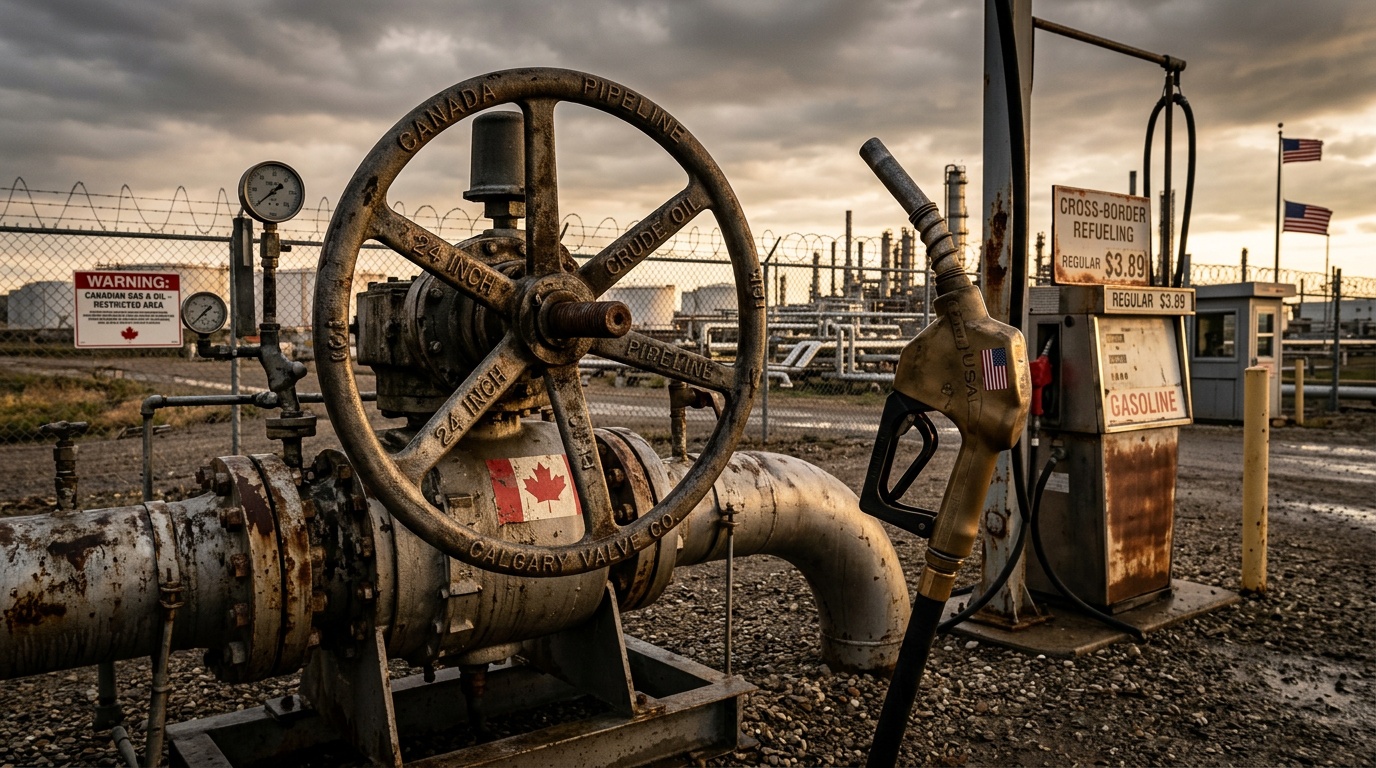
While geopolitics drives the fear, the energy markets are where the action is. As the war enters its 33rd day, the numbers are reacting sharply. U.S. gasoline crossed $4 per gallon on Tuesday, while the 3-2-1 crack spread—a key gauge of refining profitability—hit approximately $47 per barrel.
This has been a boon for companies that turn oil into fuel. The VanEck Oil Refiners ETF (CRAK) has risen for 14 consecutive weeks. Pure-play refiners like PBF Energy Inc. (PBF) and Valero Energy Corp. (VLO) continue to see significant gains as they act as a global backstop for fuel supplies amid the disruption.
So, the picture is clear: until there's a definitive end to the conflict, expect markets to trade on headlines from the Middle East more than earnings reports. The economy might be okay, but as Dimon points out, that's not what's keeping traders up at night right now.