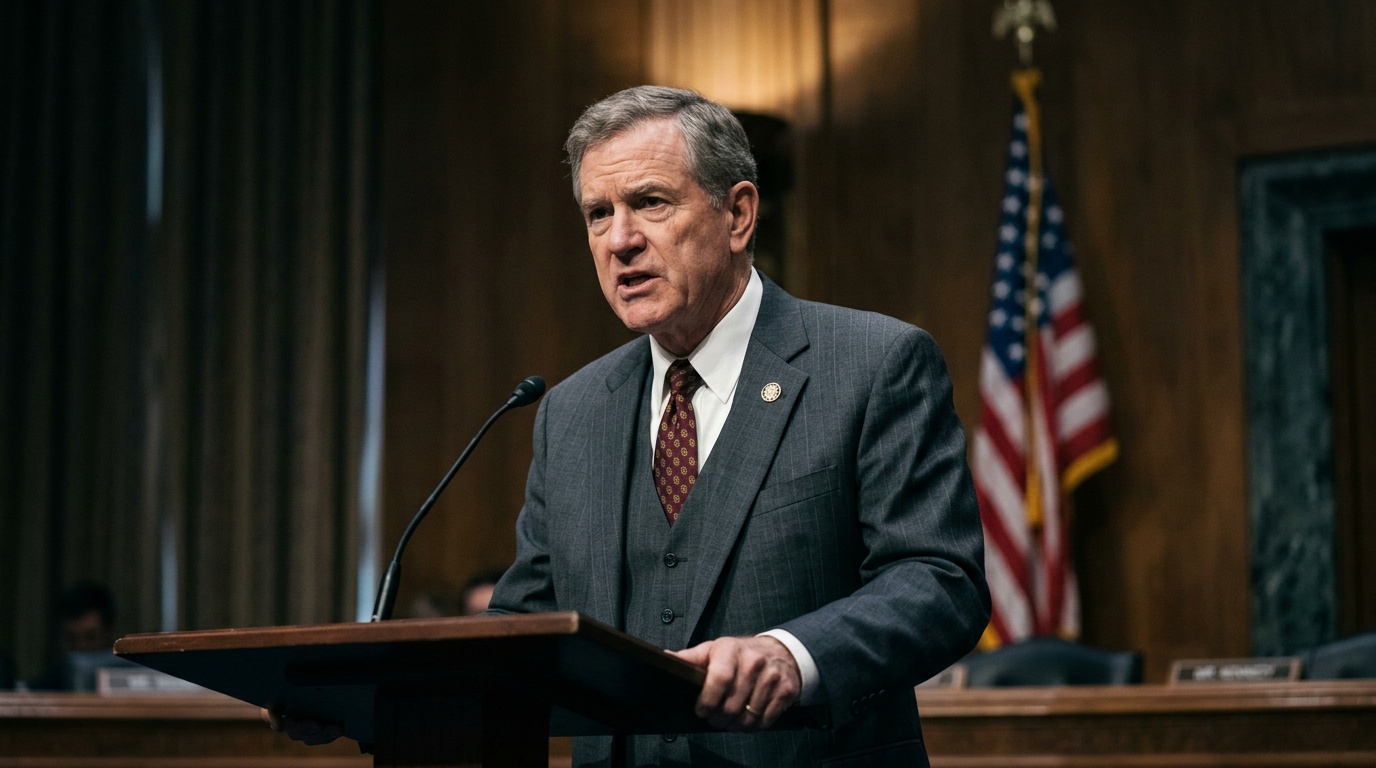
Here's a classic Washington disconnect: one side is talking about specific military targets, and the other side is saying that's not a plan. Senator Chris Murphy (D-Conn.) took to social media this week to call out what he sees as a fundamental flaw in the U.S. approach to the Iran conflict. The problem, according to Murphy? We have tactics, but no strategy.
He was responding to a post from the Department of State that laid out four clear objectives for military operations: destroy Iran's air force, destroy its navy, severely diminish its missile-launching capability, and destroy relevant factories.
"These are all tactical objectives. They are not strategy," Murphy wrote. "Because there IS NO strategy." He went further, promising to explain "why we are badly and embarrassingly losing this war" based on what he's learned in congressional briefings.
It's the kind of critique that cuts to the core of military engagement. It's one thing to list what you want to blow up; it's another to articulate the overarching political goal those explosions are supposed to achieve. Murphy's argument suggests the administration is focused on the “how” of fighting without a clear vision for the “why” or the “what happens after.”
The Price Tag And The Politics
The strategic debate is happening alongside a very practical one: how much will this cost, and is it worth it? Last week, Representative Greg Casar (D-Texas) slammed a proposed $200 billion spending package for the conflict. His argument was straightforward—that's a lot of money that could be spent on things like healthcare, child care, and free school lunches here at home.
Meanwhile, the geopolitical chessboard keeps moving. Iran's parliament speaker, Mohammad Bagher Ghalibaf, accused the U.S. of planning a secret ground invasion behind a facade of diplomacy, warning that Iranian forces were prepared to respond. Elsewhere, Pakistan was hosting talks with Turkey, Egypt, and Saudi Arabia, trying to dial down the regional temperature.
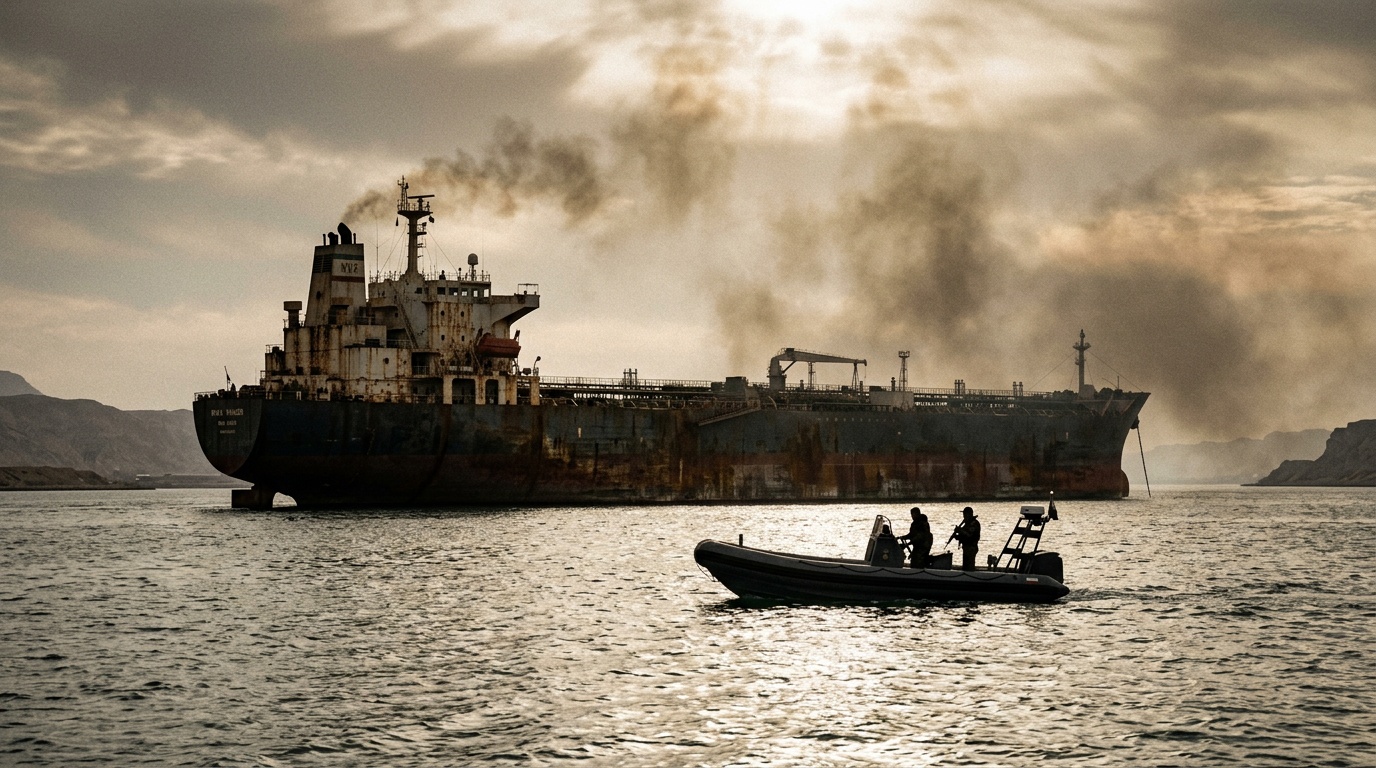
On the military front, the USS Tripoli arrived in the Middle East carrying 3,500 U.S. troops, a significant deployment that underscores the potential for escalation. Secretary of State Marco Rubio has said operations are expected to wrap up in "weeks, not months" and could achieve their objectives without committing ground troops. He's also emphasized the need to keep the Strait of Hormuz open for trade, a critical global chokepoint for oil shipments.
The deployment of two Marine contingents has added to concerns that a limited conflict could spiral into something larger. So, you have the administration pointing to specific, achievable military goals and a timeline, while critics in Congress see a worrying lack of a bigger picture. It's the age-old tension between the tactical realities of war and the strategic necessities of politics, playing out in real time.